

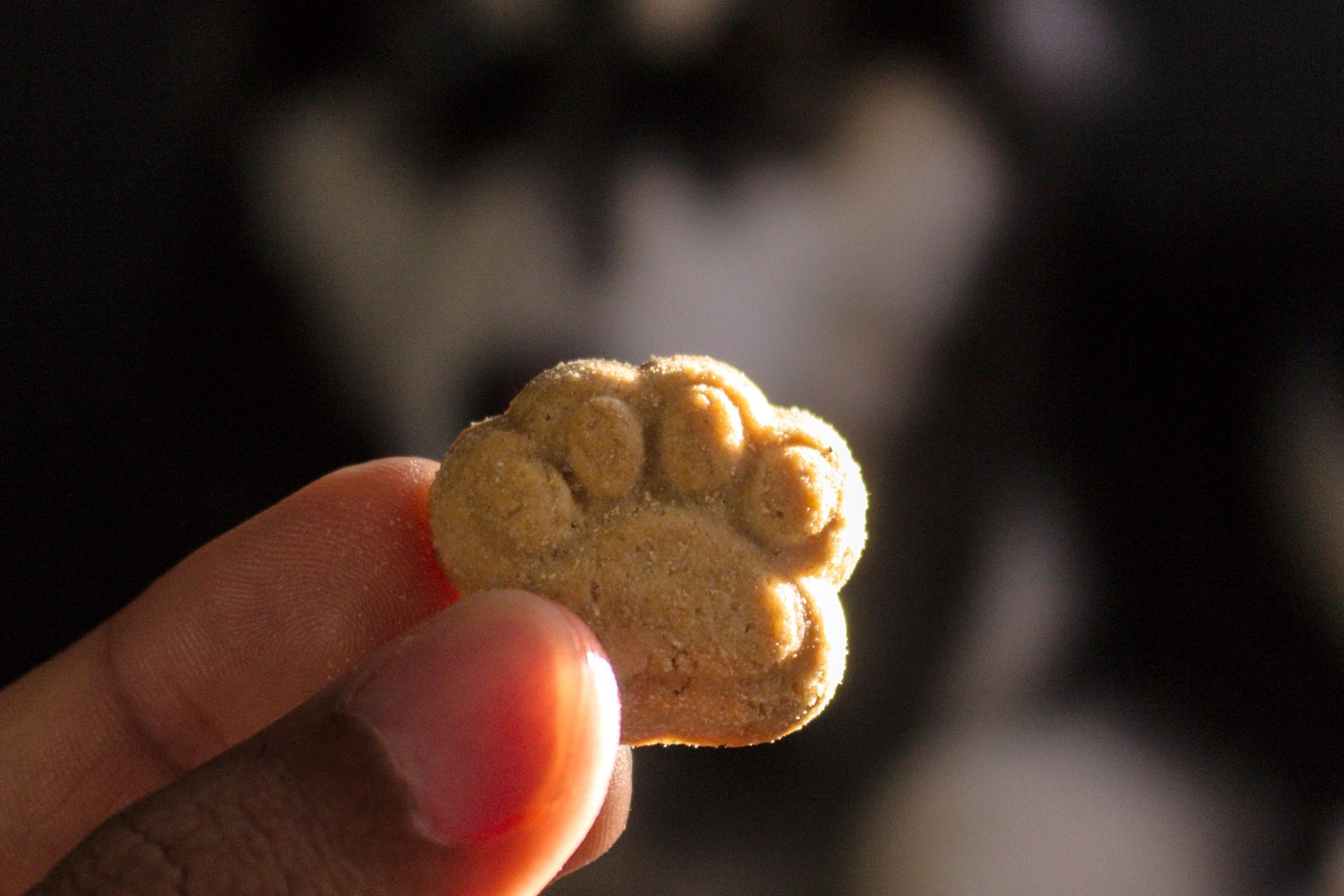
Most dogs that shake through fireworks or pace when you grab your keys don’t need a sedative. They need something that takes the edge off while you work on the fear itself, and that’s the job the best calming treats for dogs are built for. The good ones print the exact milligrams of an active ingredient that has at least some research behind it, such as L-theanine, alpha-casozepine or a specific probiotic strain, and they skip xylitol and vague “proprietary blends.” Pick the ingredient that matches your dog’s kind of stress, give it at the right time, and pair it with a little training. Below you’ll see what each ingredient does, how fast it works, which treat fits which situation, and when a treat simply isn’t enough.

What makes a calming treat one of the best?
Calming treats sit in a strange spot. They’re sold as supplements, so in most countries nobody checks that they work, or even that the bag holds what the label says, before they reach the shelf. That means the brand on the front tells you very little. The back of the bag tells you almost everything.
Start with the active ingredient and its dose. “250 mg L-theanine per chew” is useful, while “calming blend, 500 mg” is not, because you can’t tell how much of anything is in there. Next, check that the dose is set by weight. A 6 kg Maltese and a 40 kg Labrador shouldn’t get the same chew, so a good label gives a weight chart along with clear timing, since some ingredients work within an hour and others need daily use for weeks.
An independent quality mark helps too. In the US, the NASC Quality Seal means the company passed an audit of its manufacturing and labeling practices. It doesn’t prove the treat works, but the dose on the label is more likely to be the dose in the chew. Finally, read the full ingredient list. It should be short, free of xylitol and added sugar-alcohols, and free of anything your dog is allergic to, since many soft chews use chicken, beef or dairy flavoring.
Which calming ingredients actually work?
Every calming treat leans on one or two “hero” ingredients. The research behind each one is thin, mostly small studies, many funded by manufacturers. That doesn’t mean they’re useless. It means you should match the ingredient to the problem and keep expectations realistic. Here’s a quick look at each one:
- L-theanine: best for noise fears, travel and vet visits. Works in about 30 to 60 minutes and can build over a few days. Backed by small, mostly open-label studies.
- Alpha-casozepine: best for ongoing, everyday anxiety. Needs days to weeks of daily use. Small studies, and only over the medium to long term.
- Probiotic (B. longum BL999): best for general nervousness as daily support. Takes several weeks of daily use. Evidence comes mostly from the manufacturer.
- Melatonin: best for night restlessness and storms. Works within an hour and may cause drowsiness. Limited research, though vets use it widely.
- Hemp and CBD: aimed at mild situational stress. Results vary a lot by product, and the research is early and mixed.
- Chamomile, valerian and tryptophan: mostly supporting roles in blends, with weak evidence in dogs.
L-theanine
L-theanine is an amino acid found in green tea. It’s the most common active in calming chews, sometimes sold under the trademarked name Suntheanine. It’s thought to nudge brain chemistry toward calm without making a dog groggy, which is why it’s popular for car rides and storms. According to VCA Animal Hospitals’ guide to L-theanine, it can take a few days to show results, its effects wear off within about 24 hours, and the main side effect is mild stomach upset. VCA also flags caution for dogs on blood pressure medication and dogs with a history of aggression.
Alpha-casozepine
This peptide comes from casein, a protein in milk. The idea comes from how calm nursing puppies get after a feed. It’s the active ingredient in products like Zylkene. The catch: the studies so far looked at dogs given it daily over weeks, and none showed a quick effect. So it’s a sensible pick for a dog who is anxious most days, and a poor pick if you’re buying it at 6 pm on the Fourth of July.
Probiotics
Gut health and mood are linked in dogs as they are in people. Purina’s veterinary calming supplement uses a single strain, Bifidobacterium longum BL999, and is designed to be given every day for several weeks. If your dog is generally jumpy rather than scared of one specific thing, a probiotic-based product is a reasonable, low-risk option.
Melatonin
Melatonin regulates sleep, and some calming treats add it for storms and restless nights. It works fairly quickly, and drowsiness is the expected side effect. Two warnings: let your vet set the amount, and never swap in human melatonin gummies, because some contain xylitol, which is toxic to dogs even in small amounts.
Hemp and CBD
This is the murkiest category. Treats labeled “hemp” often contain hemp seed powder or hemp seed oil, which carry little to no CBD at all. Treats that do contain CBD vary widely in how much is actually in each chew, and regulators haven’t approved CBD as a treatment for animals. If you go this route, buy only from brands that publish a third-party certificate of analysis (COA) for each batch, and tell your vet, since CBD can interact with some medications.
Chamomile, valerian and tryptophan
These show up in lots of blends. Chamomile is gentle and generally harmless, but there’s little evidence it calms dogs on its own. Tryptophan is a building block for serotonin, though results in dogs are mixed. Think of these as supporting cast, not the reason to buy a product.

Best calming treats for dogs by situation
The best calming treat depends less on brand and more on what’s scaring your dog and how predictable it is.
Fireworks and thunderstorms
You usually see these coming, so pick a fast-acting ingredient. An L-theanine chew given 30 to 60 minutes before the noise starts is the most common choice, sometimes with melatonin for nighttime storms. Start a few days early during fireworks season so you know how your dog reacts. Give your dog a quiet room with the curtains drawn and some background noise as well, since a treat works far better in a calm space.
Separation anxiety
This is a daily problem, so a daily product fits better. Alpha-casozepine or a probiotic-based supplement, given consistently for several weeks, pairs well with gradual alone-time training. Chewing itself relieves stress, so a frozen, stuffed chew toy handed over as you leave gives your dog something to focus on besides the door. If your dog destroys soft toys in minutes, pick one of the tougher dog toys for heavy chewers instead. Be honest with yourself, though. True separation anxiety (howling for hours, destroying door frames, soiling the house) usually needs a vet or behaviorist, and VCA lists severe separation anxiety as a case where L-theanine alone isn’t the right tool.
Car rides and vet visits
L-theanine is the usual pick, given about an hour before you leave. If your dog drools or vomits in the car, that may be motion sickness rather than anxiety, and a calming chew won’t fix it. Ask your vet about anti-nausea medication instead.
Grooming, baths and nail trims
Plenty of dogs who are fine everywhere else lose it at the sight of clippers. A calming chew 30 to 60 minutes before a session can lower the stakes, but it works best alongside slow, treat-based practice: handle the paws, reward, stop, and build up over days. That’s the approach in our guide on how to trim dog nails at home, which also covers when a nervous dog is better off with a groomer or vet. Bath time works the same way. Keep baths short, use a non-slip mat, and finish with a long-lasting chew so your dog links the tub with something good. Bathing only as often as your dog actually needs, as explained in how often you should bathe your dog, also means fewer stressful sessions to get through.
Small dogs and puppies
Small dogs need smaller doses, so look for “mini” chews or products with a clear weight chart rather than breaking large chews in half and guessing. For puppies, check the minimum age on the label (many products start at 12 weeks or older) and run it past your vet first, especially for anything containing melatonin, CBD or herbal extracts.
Hyper dogs
A dog that bounces off the walls is often bored, not anxious. Calming treats won’t replace exercise, sniff walks and mental work. If your high-energy dog still can’t settle after a full day, a daily L-theanine or probiotic product can help take the edge off, but fix the activity gap first.
Do calming treats work for dogs?
They can, for mild to moderate stress, especially when you pair them with training and a calm environment. Vets interviewed by Rover described calming treats as one useful tool in the toolbox alongside pheromone diffusers, pressure wraps and puzzle toys, and warned owners not to rely on them alone.
What “working” looks like matters. A good result is a dog who hides for ten minutes during a storm instead of an hour, or settles on the bed instead of pacing. You shouldn’t see a sedated, wobbly dog. If you do, the dose or ingredient is wrong.
As for timing, fast-acting chews (L-theanine, melatonin) usually take 30 to 60 minutes to kick in, and effects of L-theanine fade within about a day. Daily-use products (alpha-casozepine, probiotics) take several weeks before you’ll judge them fairly. Give any product at least two to four weeks of consistent use before deciding it does nothing, and keep a quick note of how your dog behaves before and after so you’re not relying on memory.

Are calming treats safe for dogs?
For most healthy adult dogs, calming treats from reputable brands are low risk. The most common side effect is a mildly upset stomach. Still, a few situations call for care.
If your dog takes prescription medication, talk to your vet first. Anti-anxiety drugs such as fluoxetine or trazodone, blood pressure drugs and seizure medications can all interact with calming ingredients, and tryptophan alongside an SSRI is a combination to clear before you start. The same goes for pregnant, nursing or very young dogs, where safety data is limited, and for dogs with liver or kidney disease, because some ingredients clear the body more slowly and the effects can last longer than expected.
Check the flavoring and protein source if your dog has food allergies. And keep human supplements away from your dog: xylitol should never appear in a dog product, but it does turn up in some human ones.
Stick to the labeled dose. More chews won’t make a scared dog calmer faster, and doubling up mostly raises the odds of a stomach upset.
How to choose the best calming treats for dogs
Run any product through this quick checklist before you buy:
- Name the trigger. Predictable and short (storms, car rides) points to L-theanine. Daily and ongoing points to alpha-casozepine or a probiotic.
- Read the active ingredient panel. You want named ingredients with milligrams per chew.
- Check the weight chart and minimum age.
- Look for a quality seal or a batch certificate of analysis, especially for CBD.
- Scan the full ingredient list for allergens and anything your dog shouldn’t have.
- Do a trial run on a calm day so a bad reaction doesn’t coincide with a stressful event.
- Tell your vet what you’re giving, especially if your dog is on any medication.
When calming treats aren’t enough
Calming treats are for mild to moderate stress. Book a vet visit if your dog injures themselves trying to escape, shows aggression when frightened, stops eating, or if the anxiety is getting worse despite treats and training. Sudden new anxiety in an older dog can also be a sign of pain, poor eyesight or cognitive decline, which a treat won’t touch. A vet can rule out medical causes and, if needed, prescribe medication or refer you to a veterinary behaviorist. There’s no shame in that. Some dogs simply need more help than a chew can give.
Conclusion
The best calming treats for dogs aren’t the ones with the loudest packaging. They’re the ones with a clearly dosed, research-backed active ingredient that suits your dog’s specific kind of stress. Reach for a fast-acting L-theanine chew for storms, fireworks and car rides, a daily alpha-casozepine or probiotic product for ongoing nerves, and talk to your vet before mixing anything with medication. Use the treat as support while you build your dog’s confidence, not as a replacement for that work. For more practical advice on gear and care, browse the latest guides on Pet Products Guide.
Frequently Asked Questions
What calming treats do vets recommend for dogs?
Vets tend to favor treats with a clearly dosed active ingredient that has some research behind it, such as L-theanine, alpha-casozepine or a specific probiotic strain like Bifidobacterium longum BL999. They also look for brands with an independent quality seal. Ask your own vet, since the right pick depends on your dog’s health and medications.
How long do calming treats take to work for dogs?
Fast-acting treats with L-theanine or melatonin usually start working within 30 to 60 minutes. Daily supplements with alpha-casozepine or probiotics can take several weeks of consistent use before you see a clear change.
How long do calming treats last for dogs?
The effect of a single fast-acting chew typically lasts a few hours, and L-theanine is usually cleared within about 24 hours. Daily-use products work by building up over time, so you need to keep giving them for the benefit to continue.
Can I give my dog calming treats every day?
Many calming treats are designed for daily use, especially those based on alpha-casozepine or probiotics. Follow the label, stick to the dose for your dog’s weight, and check with your vet if your dog has a health condition or takes medication.
Are hemp calming treats the same as CBD treats?
Not always. Many treats labeled “hemp” contain hemp seed powder or oil, which has little to no CBD. If you want a CBD product, look for the milligrams of CBD per chew and a third-party certificate of analysis for the batch.
Can calming treats make a dog sleepy?
Treats with melatonin or valerian can cause drowsiness. L-theanine and alpha-casozepine usually don’t. If your dog seems heavily sedated or unsteady, stop the treat and contact your vet.
