

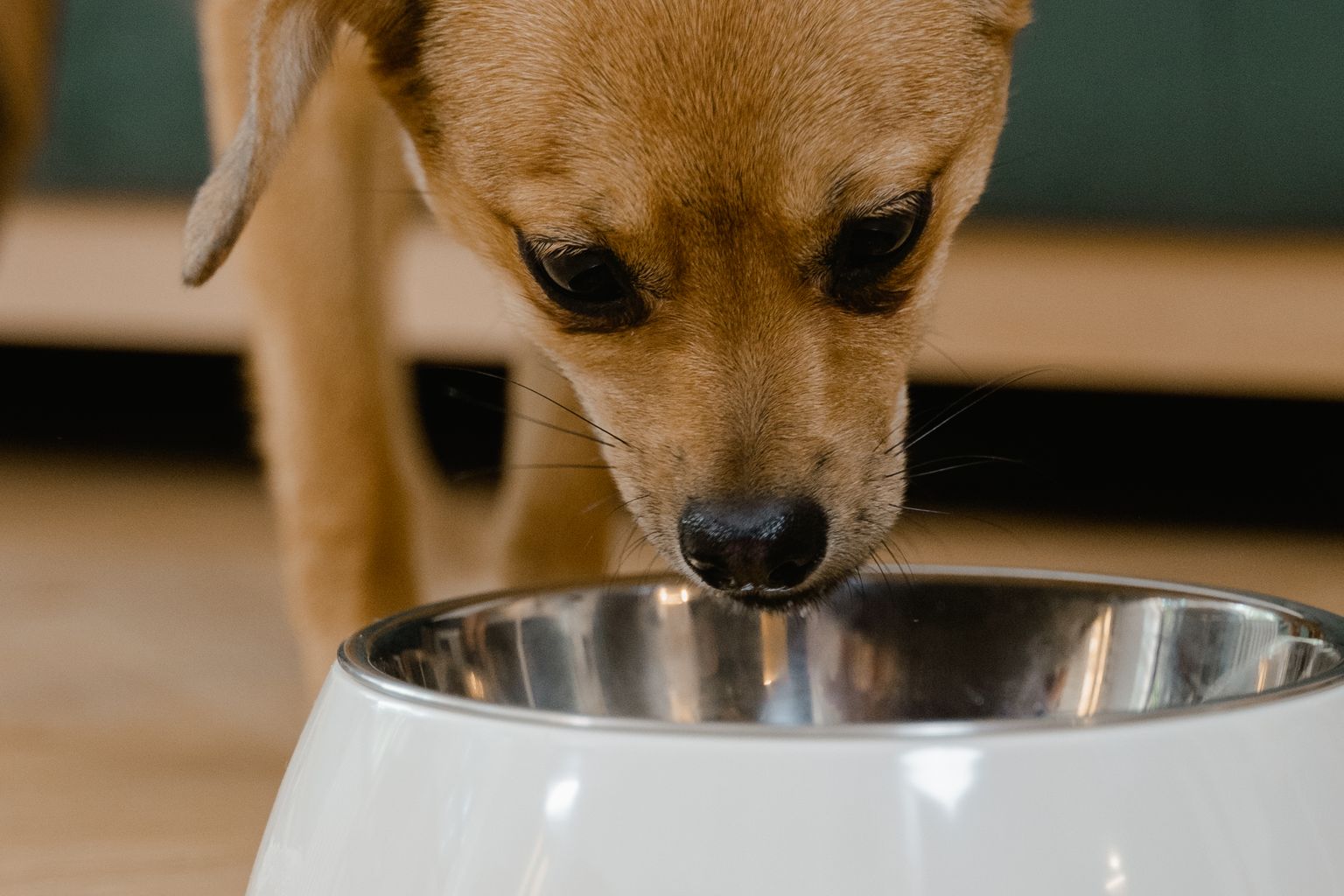
The best dog food for small dogs is a complete and balanced small breed formula matched to your dog’s life stage: a small breed puppy recipe until roughly 10 to 12 months, a small breed adult recipe after that, and a senior small breed recipe from around age 7 to 10. Small dogs burn more calories per pound than big dogs, have tiny mouths that struggle with standard kibble, and often live 15 years or more, so the right bag at age one is rarely the right bag at age twelve. Below you’ll find our picks for each stage from brands vets trust, plus how to read a label, how much to feed, and how to switch foods without an upset stomach.
What makes the best dog food for small dogs different?
A Chihuahua and a Labrador are the same species, but their bowls shouldn’t look the same. Three things separate a good small breed food from a regular adult formula.
More calories packed into every bite
Small dogs have a faster metabolism, so they need more energy per pound of body weight than large breeds. A 10 lb dog can’t physically eat a huge volume of food, which is why small breed recipes are usually more calorie dense. The flip side is that small dogs gain weight easily on extra treats and table scraps, and one extra pound on a 10 lb dog is like 15 extra pounds on a person.
Kibble sized for a small mouth
Standard kibble pieces can be awkward or even a choking risk for toy breeds. Small breed formulas use smaller, often thinner pieces that are easier to pick up and crunch. That crunch matters, because small breeds are prone to dental disease, and chewing appropriately sized dry food gives their teeth a bit of mechanical cleaning. Pair it with safe chewing outlets, like the ones in our guide to the best dog toys for chewers.
A longer life with more stages to plan for
Many small breeds live into their mid teens. That gives you a longer adult window and a longer senior stretch, so expect to change formulas at least twice over your dog’s life.
Quick picks: best dog food for small dogs by life stage
If you just want the short list, here it is. Every pick below is a small breed specific, complete and balanced formula from a manufacturer that runs its own nutrition research.
| Life stage | Our pick | Why we like it |
|---|---|---|
| Toy puppy (adult weight under 8 lb) | Royal Canin X-Small Puppy | Extra tiny kibble for the smallest mouths |
| Small breed puppy | Purina Pro Plan Small Breed Puppy Chicken & Rice | High protein with DHA for brain and vision development |
| Small breed puppy (budget friendly) | Hill’s Science Diet Puppy Small Bites | Small kibble, DHA, easy to find in most stores |
| Adult | Hill’s Science Diet Adult Small & Mini | Small kibble and a consistent, vet trusted recipe |
| Active adult | Purina Pro Plan Small Breed Adult Chicken & Rice | Protein rich shredded blend picky dogs tend to like |
| Adult (size targeted) | Royal Canin Small Adult | Formulated for adults in the small size range |
| Senior (7+) | Hill’s Science Diet Senior Vitality Small & Mini 7+ | Built for the energy and brain health of older small dogs |
| Senior (12+) | Royal Canin Small Aging 12+ | Made for very old small dogs, with a softer texture |
| Sensitive stomach | Purina Pro Plan Sensitive Skin & Stomach Small Breed Salmon & Rice | Salmon first, gentle on digestion and coat |
| Weight control | Hill’s Science Diet Perfect Weight Small & Mini | Lower calorie option for chubby lap dogs |
Best puppy food for small breeds
Small breed puppies grow fast and finish growing early, usually somewhere between 9 and 12 months. Toy breed puppies also have very small energy reserves, which puts them at risk of low blood sugar (hypoglycemia) if they skip meals. That is why most vets suggest three to four small meals a day for young toy puppies, tapering to two or three as they mature. Whatever you pick, the label should say it meets AAFCO nutrient profiles for growth or for all life stages.
Royal Canin X-Small Puppy
This one is built for puppies expected to weigh under 8 lb as adults, think Chihuahuas, Yorkies and toy Poodles. The kibble is very small, and the recipe is designed for the higher energy needs of tiny growing bodies. If your puppy struggles with regular small breed kibble, start here.
Purina Pro Plan Small Breed Puppy Chicken & Rice
Real chicken is the first ingredient, and the formula includes DHA, a fatty acid that supports brain and vision development. It’s a strong all round choice for small breed puppies in the 10 to 20 lb adult range, and it’s widely sold, which makes it easy to keep your puppy on the same food.
Hill’s Science Diet Puppy Small Bites
A dependable option with small kibble pieces, DHA from fish oil and balanced minerals for steady bone growth. It’s often a little cheaper than the premium lines and it’s stocked almost everywhere.
Best small breed dog food for adults
Once your dog reaches adult size, switch to a small breed adult formula. The goals change from growth to maintenance: steady weight, healthy teeth, good digestion and a shiny coat. A glossy coat starts with diet, though grooming helps too, and our guide on how often you should bathe your dog covers the other half.
Hill’s Science Diet Adult Small & Mini
Hill’s employs veterinary nutritionists and has fed this line to small dogs for years. The kibble is small, the recipe is consistent from bag to bag, and many vets recommend it as a safe default for healthy adult small breeds.
Purina Pro Plan Small Breed Adult Chicken & Rice
This recipe mixes crunchy kibble with tender shredded pieces, which helps with dogs who get bored of plain dry food. It’s higher in protein than many grocery brands, so it suits active terriers and dogs that get daily walks and play.
Royal Canin Small Adult
Royal Canin designs its size range by expected adult weight, and the Small Adult formula targets dogs roughly 9 to 22 lb. Its kibble shape is made for small jaws, and it’s a good fit for dogs who need a food that is easy to chew.
Wellness Complete Health Small Breed Adult
If you’d prefer a recipe built around turkey and oatmeal with no corn, wheat or soy, this is a solid pick. It’s still complete and balanced, and the small kibble works well for most small adults.
Best senior dog food for small dogs
Small dogs age more slowly than big ones, so many don’t need a senior food until somewhere between 7 and 10 years. Watch for signs like weight gain, slower walks, stiff joints or dental trouble. A senior recipe usually trims calories slightly while keeping protein high to protect muscle. Before you put a slower pace down to age alone, check the paws: older small dogs walk less, their nails wear down less, and long nails can make walking uncomfortable. Our guide on how to trim dog nails shows you how to keep them short at home.

Hill’s Science Diet Senior Vitality Small & Mini 7+
Designed for small dogs 7 and older, this formula focuses on energy, activity and brain health in aging dogs. Small kibble makes it easy on older teeth.
Royal Canin Small Aging 12+
For the true golden oldies, this recipe is made for small dogs 12 and up. It has a texture that is easier for dogs with missing or sensitive teeth to chew. If your senior has lost several teeth, ask your vet whether a wet version or softened kibble would be better.
What’s the best dog food for picky eaters and sensitive stomachs?
Small breeds have a reputation for fussy appetites, and some of that is learned. If a dog skips a meal and gets chicken on top, it quickly figures out the system. Offer meals at set times, take the bowl away after 15 to 20 minutes, and keep treats under 10 percent of daily calories before you blame the food.
If your dog really does get loose stools, itchy skin or gas, try Purina Pro Plan Sensitive Skin & Stomach Small Breed Salmon & Rice. Salmon is the first ingredient and the recipe is built to be easy on digestion. For dogs carrying extra weight, Hill’s Science Diet Perfect Weight Small & Mini cuts calories without leaving them hungry. Persistent stomach or skin problems deserve a vet visit, since allergies and other conditions need a proper diagnosis.
How to read a small breed dog food label
Brand names on the front of the bag tell you very little. The useful information is on the back.
Look for the AAFCO statement
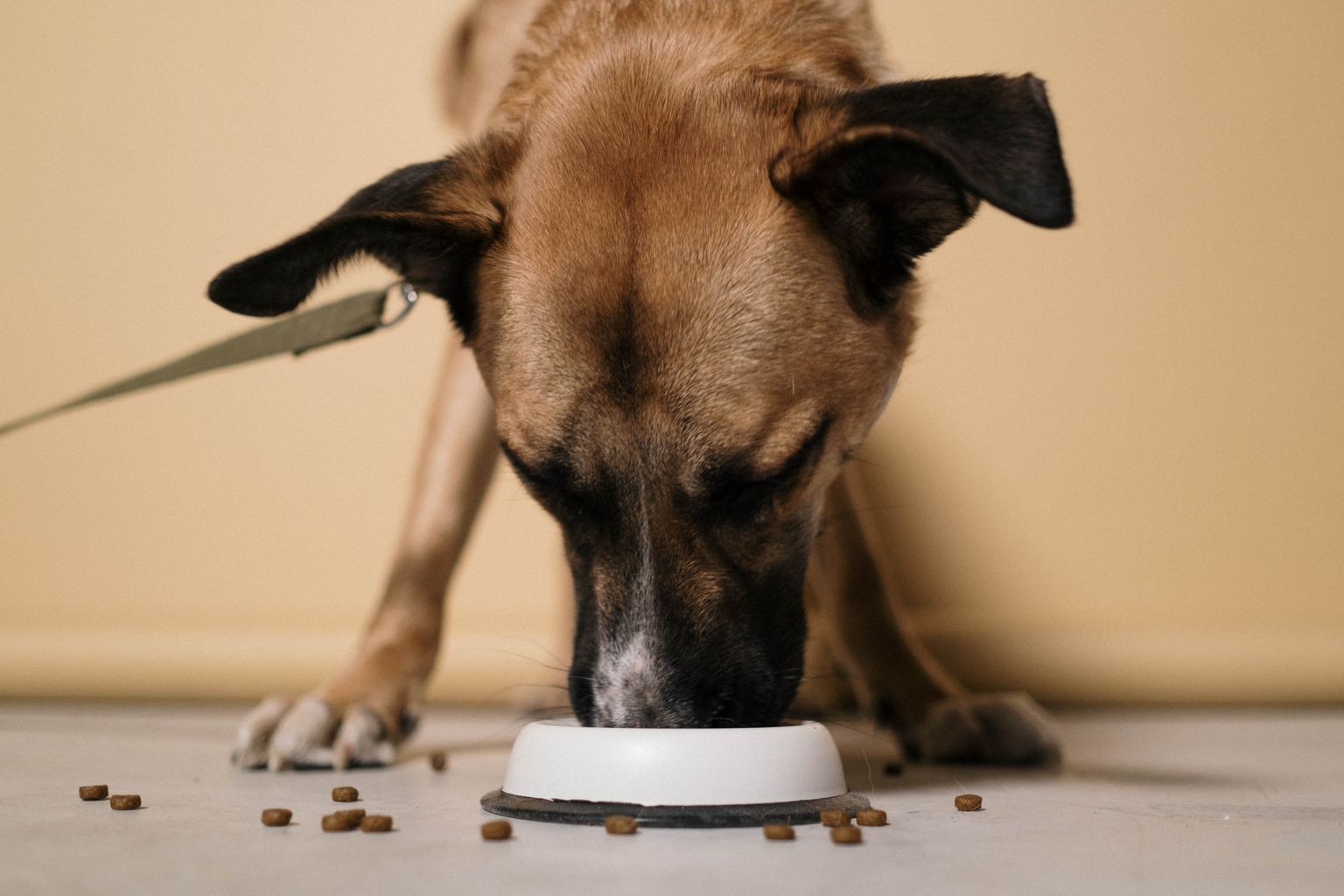
In the US, the Association of American Feed Control Officials (AAFCO) sets the nutrient profiles that pet foods use. The label should say the food is complete and balanced for growth, adult maintenance or all life stages. If it says intermittent or supplemental feeding only, it shouldn’t be your dog’s main meal. The same check works for every pet in the house, and if you also have a cat, our pick of the best cat food for indoor cats walks through it for feline labels.
Check who makes it
When vets recommend small dog food brands, they usually point to companies that employ qualified veterinary nutritionists, run feeding trials and control quality in their own facilities. That’s why Hill’s, Purina Pro Plan and Royal Canin show up so often on vet lists. A pretty bag and a long ingredient list don’t guarantee better nutrition.
Read the first few ingredients
A named animal protein such as chicken, turkey, salmon or lamb near the top is a good sign. Chicken meal is fine too; it’s simply chicken with the water removed. Grain free is not automatically healthier, and unless your vet has diagnosed a grain allergy, a recipe with rice or oats is perfectly reasonable.
Note the calories per cup
Small breed foods vary a lot in calorie density. Two cups that look the same can differ by 100 calories or more, so always compare kcal per cup before switching brands.
How much should a small dog eat each day?
Start with the feeding chart on the bag, then adjust based on your dog’s body. These rough daily totals are calculated with the standard resting energy formula vets use, and include treats.
| Dog’s weight | Typical spayed or neutered adult | Less active or senior dog |
|---|---|---|
| 5 lb | About 200 kcal | About 180 kcal |
| 10 lb | About 350 kcal | About 305 kcal |
| 15 lb | About 470 kcal | About 415 kcal |
| 20 lb | About 585 kcal | About 510 kcal |
Use these numbers as a starting point, not a rule. You should be able to feel your dog’s ribs easily without seeing them, and there should be a visible waist when you look down from above. If your dog is gaining, cut portions by about 10 percent and recheck in a few weeks.
Dry vs wet: which is the healthiest dog food for small dogs?
Both can be healthy as long as they’re complete and balanced. Dry food is cheaper per calorie, keeps well, and the crunch gives teeth a little help. Wet food has more moisture, smells stronger and tempts picky or older dogs. Plenty of owners mix the two: a base of the best dry dog food for small dogs plus a spoonful of wet food on top. Just reduce the kibble so total calories stay the same.
How to switch your small dog to a new food
Small dogs often have touchy stomachs, so change foods gradually over about a week.
- Days 1 to 2: mix 75 percent old food with 25 percent new food.
- Days 3 to 4: move to half old food and half new food.
- Days 5 to 6: serve 25 percent old food and 75 percent new food.
- Day 7 onward: feed the new food only.
If you see diarrhea or vomiting, go back a step and slow down. Puppies moving to an adult formula follow the same pattern.
Conclusion
Choosing the best dog food for small dogs comes down to matching the formula to your dog’s stage of life and then watching how your dog does on it. Start with a small breed puppy food, move to a small breed adult recipe around the first birthday, and switch to a senior formula once your vet sees signs of aging. Stick with brands that meet AAFCO standards and back their recipes with real nutrition research, feed by body condition rather than by the scoop alone, and make changes slowly. For more practical guides on feeding, grooming and gear, browse the rest of Pet Products Guide.
Frequently asked questions
What is the healthiest dog food for small breeds?
The healthiest option is a complete and balanced small breed formula that meets AAFCO standards and matches your dog’s life stage. Vet trusted choices include Hill’s Science Diet Adult Small and Mini, Purina Pro Plan Small Breed and Royal Canin Small Adult.
What dog food brand do most vets recommend for small dogs?
Vets most often recommend Hill’s Science Diet, Purina Pro Plan and Royal Canin because these companies employ veterinary nutritionists, run feeding trials and make small breed specific recipes for every life stage.
When should a small breed puppy switch to adult food?
Most small breed puppies can move to an adult small breed formula between 9 and 12 months old, once they reach close to their adult size. Toy breeds may be ready slightly earlier, so check with your vet.
Is grain free food better for small dogs?
Not usually. Grain free food is only needed if your vet diagnoses a grain allergy. For most small dogs a recipe with rice, oats or barley is perfectly healthy.
Can I feed my small dog large breed or all life stages food?
Large breed food is not a good fit because the kibble is too big and the calorie level is designed for big dogs. An all life stages food can work, but a small breed recipe usually has better kibble size and calorie density.
How many times a day should I feed a small dog?
Adult small dogs do well on two meals a day. Toy breed puppies need three to four small meals a day to keep their blood sugar steady.
