

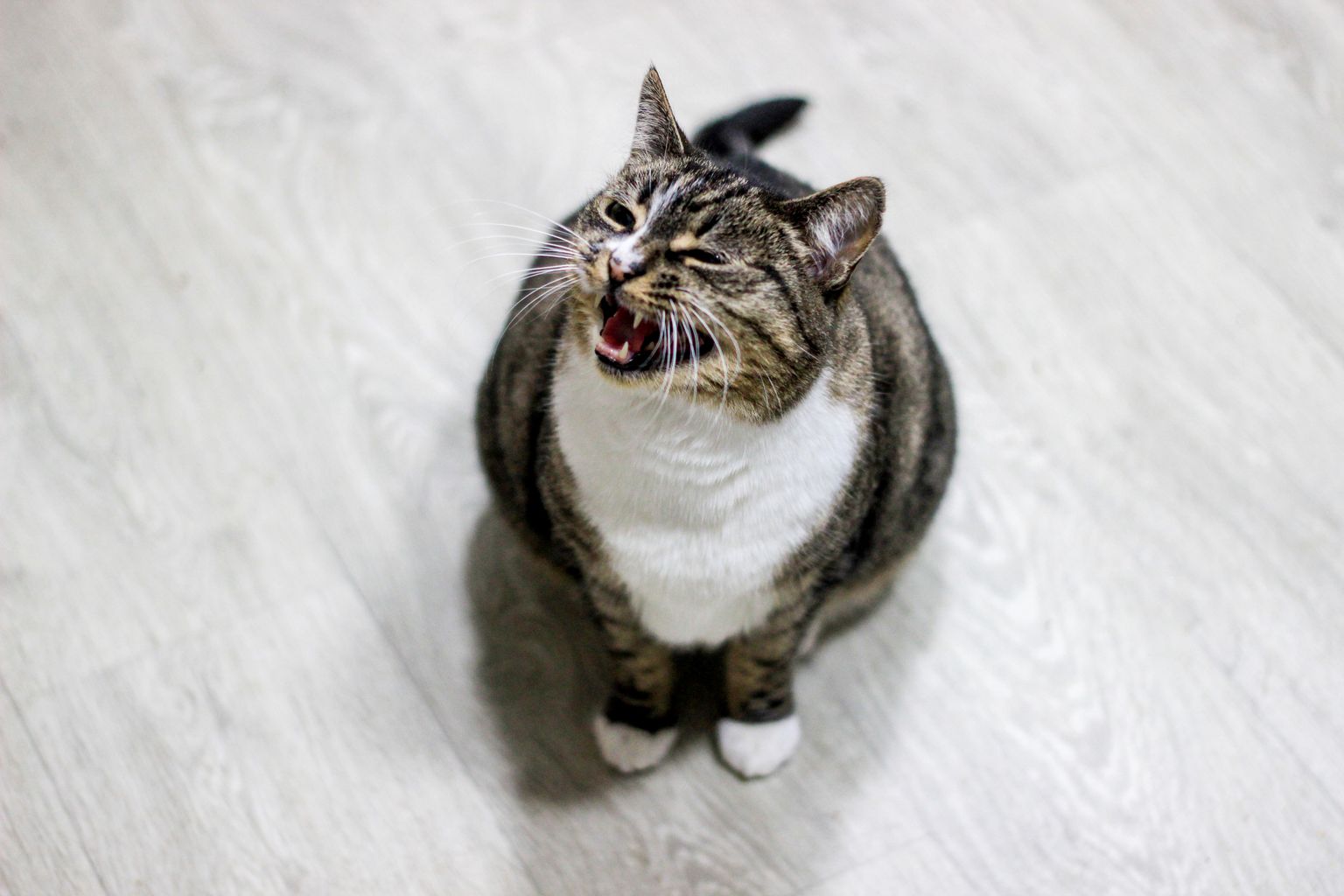
When a usually quiet cat starts following you from room to room and yelling, it’s hard to ignore. If you’ve typed “why is my cat meowing so much all of a sudden” into a search bar at 2 a.m., the answer is usually one of a handful of things: hunger or a new feeding routine, boredom, stress from a change at home, or a female in heat. In cats over 10, medical problems like hyperthyroidism, kidney disease, high blood pressure, pain, or cognitive decline move to the top of the list. A cat who has always been chatty is just being herself, but a sudden change in how much she talks deserves a closer look, and sometimes a vet visit.
Is it normal for a cat to suddenly meow more?
Adult cats don’t meow much at each other. They mostly save it for people, which means meowing is a habit your cat built around you. That’s why the amount of meowing varies so much from cat to cat. A Siamese might narrate her whole day, while a British Shorthair might only speak up when the food bowl is empty.
A small bump in meowing after a schedule change, a move, or a new pet is common and usually fades within a few weeks. What isn’t normal is a lasting change with no obvious trigger, a new kind of sound (a low, drawn-out yowl instead of a short meow), or meowing that comes with other changes like weight loss, drinking more water, hiding, or litter box trouble. Those combinations are what point toward a health problem.
Medical reasons your cat is meowing so much all of a sudden
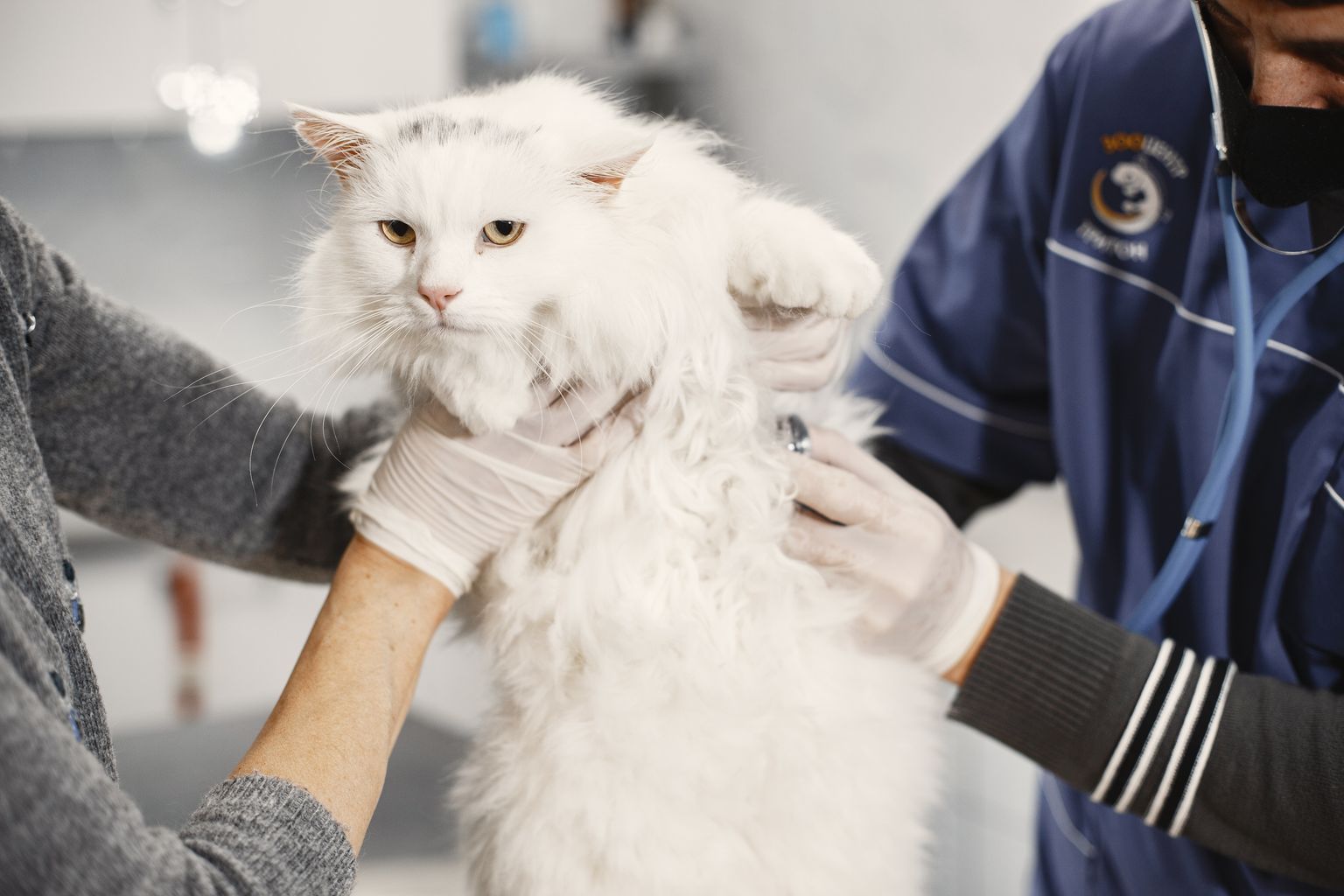
Vets usually rule out medical causes first, because many of them make a cat hungry, thirsty, restless, sore, or confused, and every one of those feelings can come out as noise. Overactive thyroid and kidney disease are two of the most common culprits in older cats.
Hyperthyroidism
An overactive thyroid speeds up a cat’s whole system. The classic picture is an older cat who eats like a teenager but keeps losing weight, drinks more, seems restless or wired, and starts meowing loudly, often at night. It’s one of the most common hormone problems in cats, and it mostly affects middle-aged and senior cats. A simple blood test checks thyroid levels, and treatment options are good.
Kidney disease and high blood pressure
Chronic kidney disease is very common in older cats. Early signs are easy to miss: more water drinking, bigger urine clumps in the litter box, a duller coat, and slow weight loss. Kidney disease and hyperthyroidism can both raise blood pressure, and high blood pressure can affect the eyes and brain. A cat who suddenly yowls at night, seems disoriented, or bumps into things should be checked soon, because high blood pressure can cause sudden vision loss.
Pain or discomfort
Cats are good at hiding pain, so meowing may be one of the few clues you get. Arthritis (very common in senior cats), dental disease, an injury, or an upset stomach can all show up as more vocalizing. Watch for meowing when she jumps, gets picked up, eats, or uses the litter box.
Urinary problems
If your cat cries in or near the litter box, strains, visits it again and again, or passes only a few drops, treat it as urgent. A urinary blockage can become life-threatening within a day or two. Male cats are at higher risk because their urethra is longer and narrower, as this vet guide on urinary blockage in male cats explains. Don’t wait to see if it passes. Call your vet or an emergency clinic right away.
Cognitive dysfunction in senior cats
Older cats can develop something similar to dementia. Signs include wandering, staring at walls, getting lost in familiar rooms, sleeping more by day and roaming at night, forgetting where the litter box is, and loud yowling, often in the small hours. There’s no cure, but your vet can rule out other causes and suggest diet changes, supplements, or medication that can help.
Hearing or vision loss
A cat who is losing her hearing often gets louder because she can’t hear her own voice. One who is losing her sight may call out when she can’t find you. Night lights, keeping furniture in the same place, and letting her see you before you touch her all help.
Behavioral and everyday reasons cats meow a lot
If your cat is healthy, the reason is usually something in her day that changed. These are the ones that come up most often.
Hunger or a change in feeding routine
Food is the number one thing cats ask for. If you recently switched foods, cut portions for weight loss, changed feeding times, or added a pet who eats faster, expect complaints. Cats on a diet often meow more simply because they’re hungry. Feeding at set times, splitting the daily amount into more meals, or using a timed feeder stops the “breakfast at 4 a.m.” campaign because the cat learns that you aren’t the source. If you’re rethinking her diet, our guide to the best cat food for indoor cats covers how much indoor cats need and how to choose a food that keeps them full.
Boredom and attention seeking
Indoor cats with little to do will often turn to the one reliable source of entertainment in the house: you. This kind of meowing usually happens when you’re busy, on a call, or about to go to bed. It often starts or gets worse after your routine changes, such as going back to the office after working from home. Two short play sessions a day with a wand toy, puzzle feeders, and a window perch make a real difference. Rotate her toys every few days so the old ones feel new again, and end each play session with a small treat so she feels like she actually caught something.
Stress from changes at home
Cats like things to stay the same. A house move, a new baby, a new pet, visitors, building work, rearranged furniture, a new litter, or even a stray cat outside the window can all set off anxious meowing. You might also see hiding, over-grooming, scratching more, or peeing outside the box. Give her a safe room with her food, water, litter box, and bed, keep her routine as steady as you can, and make changes slowly. If you do need to change her litter, mix the new one in gradually over a week or so; our guide to the best cat litter for odor control walks through how to switch without upsetting her.
Heat in unspayed females
If your young female cat isn’t spayed and suddenly starts yowling, rolling on the floor, rubbing on everything, and raising her rear end, she’s almost certainly in heat. A heat can last several days and come back every few weeks during breeding season, and indoor cats may cycle all year. Unneutered males will also yowl and pace when they sense a female nearby. Spaying or neutering is the long-term fix.
Wanting to go outside
Cats who used to go out, or who are newly indoor-only, often meow at doors and windows for weeks. Seeing other cats or wildlife outside makes it worse. A catio, a secure window box, or supervised time outdoors on a harness can take the edge off, along with more play inside.
A naturally chatty breed
Some cats simply talk more. Siamese, Oriental Shorthairs, Burmese, Tonkinese, and Bengals are known for it. If your cat belongs to one of these breeds and has always been talkative, a lot of meowing is just her personality. It’s the change from her normal that matters.
Why is my cat meowing so much at night?
Cats are naturally most active around dawn and dusk, so some nighttime noise is normal, especially in young cats. Common reasons for night meowing include a long gap between dinner and breakfast, too little play during the day, loneliness when you shut the bedroom door, and, in older cats, cognitive dysfunction, high blood pressure, or hyperthyroidism.
To help, play hard with her for 10 to 15 minutes before bed, then give a small meal right after, since cats tend to hunt, eat, groom, and sleep. A timed feeder can handle the early breakfast for you. If she’s a senior and the night yowling is new, book a vet visit rather than just trying to train it away.
Why is my cat meowing so much all of a sudden? Clues to the cause
This quick table lines up what you’re seeing at home with the most likely causes. It’s a starting point for a conversation with your vet, not a diagnosis.
| What you notice | Possible cause | What to do |
|---|---|---|
| Eats more but loses weight, restless, thirsty | Hyperthyroidism | Vet visit and blood test |
| Drinks and pees more, weight loss, dull coat | Kidney disease | Vet visit and blood and urine tests |
| Night yowling, seems lost or bumps into things | High blood pressure or cognitive dysfunction | Vet visit soon, including a blood pressure check |
| Cries in the litter box, strains, little or no urine | Urinary blockage or infection | Emergency vet right away |
| Meows when jumping, being touched, or eating | Pain (arthritis, teeth, injury) | Vet exam |
| Yowling, rolling, rubbing, raised rear end | Heat (unspayed female) | Talk to your vet about spaying |
| Meows at the bowl or before meals | Hunger or feeding changes | Set meal times or a timed feeder |
| Meows when you’re busy, stops when you play | Boredom or attention seeking | More play, enrichment, reward quiet |
| Hiding, over-grooming, accidents after a change | Stress or anxiety | Safe room, steady routine, slow changes |
How to tell if it’s medical or behavioral
Keep a simple log for a few days. Note when the meowing happens, what was going on right before, and whether anything else has changed, like appetite, water intake, litter box habits, weight, sleep, or how she moves. Patterns jump out fast. Meowing that only happens around 6 p.m. near the food bowl is very different from yowling at 3 a.m. in an empty hallway.
As a rule of thumb, meowing that comes with any physical change points to a medical cause, and so does new meowing in a cat older than about 10. Meowing tied to a clear trigger (mealtimes, your schedule, a new pet) that stops once the need is met is more likely behavioral. Even then, a vet check is the safest first step whenever the change is sudden, because behavior problems and medical problems often overlap.
How to stop excessive meowing without making it worse
Once your vet has ruled out a health problem, these steps help most cats settle down:
- Don’t reward the noise. If you open the door or fill the bowl every time she yells, you’re teaching her that yelling works. Wait for a few seconds of quiet, then give attention or food.
- Never punish her. Shouting, spraying water, or hitting won’t reduce meowing and will make her afraid of you. It only adds to the stress that may be causing the noise.
- Check her basics before ignoring her. Is the water bowl full, the litter box clean, the door to her litter room open? Only ignore meowing once you’re sure she isn’t asking for something she needs.
- Build a routine. Feed, play, and go to bed at roughly the same times each day. Predictability calms anxious cats.
- Add enrichment. Window perches, cat trees, puzzle feeders, rotating toys, and short play sessions give her something to do besides talking to you.
- Spay or neuter. This stops heat-related yowling in most cats.
- Be patient. Meowing often gets worse for a few days when you stop rewarding it before it improves. Stay consistent.
When to call your vet about sudden meowing
Call your vet promptly if the meowing is new and comes with weight loss, more eating or drinking, vomiting, diarrhea, hiding, limping, or changes in litter box habits. Book an exam too if your cat is a senior and has started yowling at night or seems confused. Go to an emergency clinic right away if she is straining or crying in the litter box with little or no urine, is breathing hard, can’t walk normally, or has suddenly lost her sight.
Conclusion
So, why is my cat meowing so much all of a sudden? In most cases, it’s her way of telling you something changed. Most of the time it’s something you can fix, like a hungry belly, a bored afternoon, or stress from a busy household. In older cats, though, a new habit of meowing is often the first sign of hyperthyroidism, kidney disease, high blood pressure, pain, or cognitive decline, all of which are easier to manage when they’re caught early. Start with a vet check, keep a short log of when the noise happens, and then work on routine, play, and patience. For more cat care help, browse the latest guides on Pet Products Guide.
Frequently Asked Questions
Why is my cat meowing but doesn’t want anything?
She probably does want something, it just isn’t obvious. Check food, water, and the litter box first, then think about attention, play, or access to a closed room. If all of that is covered and the meowing is new, especially in an older cat, it can be a sign of pain, poor eyesight or hearing, confusion from cognitive dysfunction, or an illness like hyperthyroidism, so a vet visit is a good idea.
Why is my cat walking around the house crying?
Wandering and crying often points to stress, boredom, or a cat in heat in younger cats. In seniors it is a common sign of cognitive dysfunction, high blood pressure, hyperthyroidism, or failing vision, especially if it happens at night or she seems lost. If it is new, have your vet check her.
Should I ignore my cat when she meows a lot?
Only after you are sure her needs are met and a vet has ruled out a medical cause. Once you know she is healthy and simply asking for attention or food, stop rewarding the meowing and give attention when she is quiet instead. Never punish her for meowing.
Can stress make a cat meow more?
Yes. Moving house, a new pet or baby, visitors, loud noise, rearranged furniture, or a cat outside the window can all trigger anxious meowing. A quiet safe room, a steady daily routine, and gradual changes usually help her settle within a few weeks.
Is excessive meowing a sign my cat is dying?
Not usually. Most extra meowing has a simple cause like hunger, boredom, or stress. Very ill or older cats can vocalize more because of pain, confusion, or diseases like kidney failure, though, so sudden loud meowing combined with weight loss, not eating, hiding, or weakness should be checked by a vet promptly.
Why is my senior cat suddenly meowing so much?
In cats over about 10, sudden meowing is often linked to hyperthyroidism, kidney disease, high blood pressure, arthritis pain, hearing or vision loss, or cognitive dysfunction. Many of these are very manageable when caught early, so book a checkup with blood work and a blood pressure check.
