

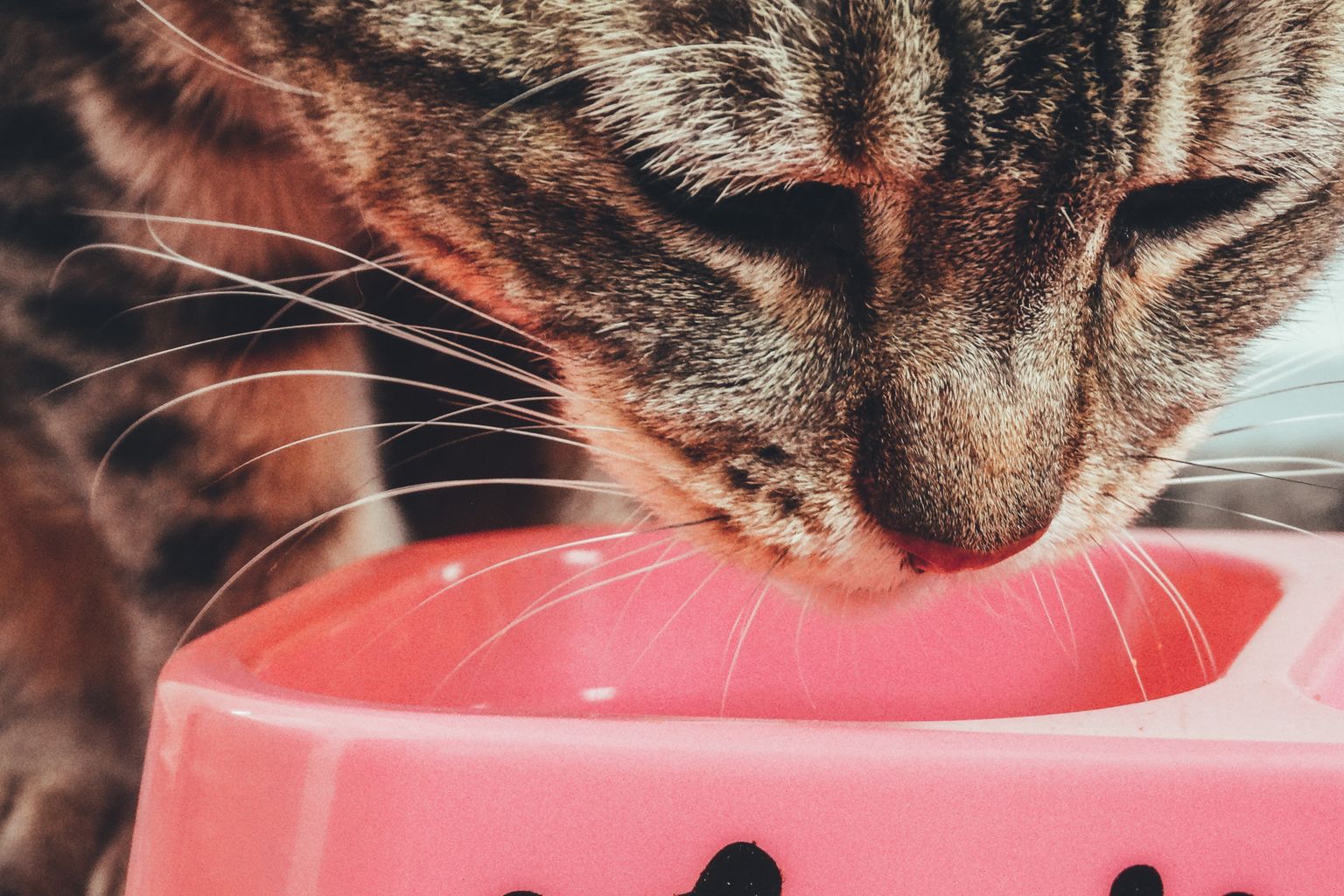
The best cat food for indoor cats is a complete and balanced diet built on animal protein, with moderate calories, some fiber for hairballs, and plenty of moisture. Indoor cats burn less energy than cats that roam, they groom more out of boredom, and many of them drink very little water, so the right food quietly handles all three problems. Below you’ll find what to look for on the label, how much to feed, and six foods worth putting in the bowl, from a reliable dry kibble to fresh and wet options for cats that need more water in their day.
What makes indoor cats’ nutritional needs different?
An indoor cat is still a carnivore. It just lives a quieter life. That one change shifts what a good diet looks like.
Fewer calories burned
A cat that spends its day moving between the sofa, the window and the food bowl needs fewer calories than a cat patrolling a garden. Spaying and neutering lower energy needs further. Feed a standard adult formula at the amount printed on the bag and the extra calories add up fast. According to the Association for Pet Obesity Prevention’s 2022 survey, about 61% of cats in the US were classified as overweight or obese by their vets.
More hairballs
Bored cats groom more, and more grooming means more swallowed hair. Indoor formulas usually add fiber (cellulose, beet pulp or psyllium) to help that hair keep moving through the gut instead of coming back up on your rug.
Less water
Cats evolved to get most of their water from prey, and many still don’t drink much from a bowl. A cat on dry food alone can stay mildly under-hydrated, which matters for urinary health. Indoor cats, especially males and overweight cats, are prone to urinary tract issues, so moisture is one of the most useful things a diet can add.
What should you look for in healthy cat food for indoor cats?
Ignore the pictures on the front of the bag. The useful information is on the back.
An AAFCO “complete and balanced” statement
In the US, look for a nutritional adequacy statement saying the food meets AAFCO nutrient profiles for adult maintenance (or all life stages). Without it, the food is a treat or supplement, not a full diet. Outside the US, look for the equivalent FEDIAF or local standard.
Animal protein first
Cats are obligate carnivores. They need nutrients like taurine and arachidonic acid that come from animal tissue. A named meat or fish (chicken, turkey, salmon) near the top of the ingredient list is a good sign. On a dry matter basis, aim for roughly 35% protein or higher for a healthy adult.
Moderate fat and calories
Fat is not the enemy, but it is calorie-dense. Most indoor dry foods sit somewhere around 9% to 15% fat on the label. Check the calorie statement (kcal per cup or per can) and compare it with the food you feed now. Two bags that look identical can differ by 100 calories per cup.
Some fiber
A crude fiber figure of about 3% to 8% is typical for hairball and weight formulas. Much higher than that and some cats get loose stools or produce bigger, smellier litter box deposits.
Moisture
Wet food is usually 75% to 82% water. Dry food is around 10%. If your cat eats only kibble, look for ways to add moisture (more on that below).
How to compare labels fairly
Wet and dry labels can’t be compared directly because water dilutes the numbers. To convert, subtract the moisture percentage from 100, then divide the nutrient by that number. A wet food listing 10% protein and 78% moisture is actually 10 ÷ 22 = about 45% protein on a dry matter basis, which is higher than most kibble.
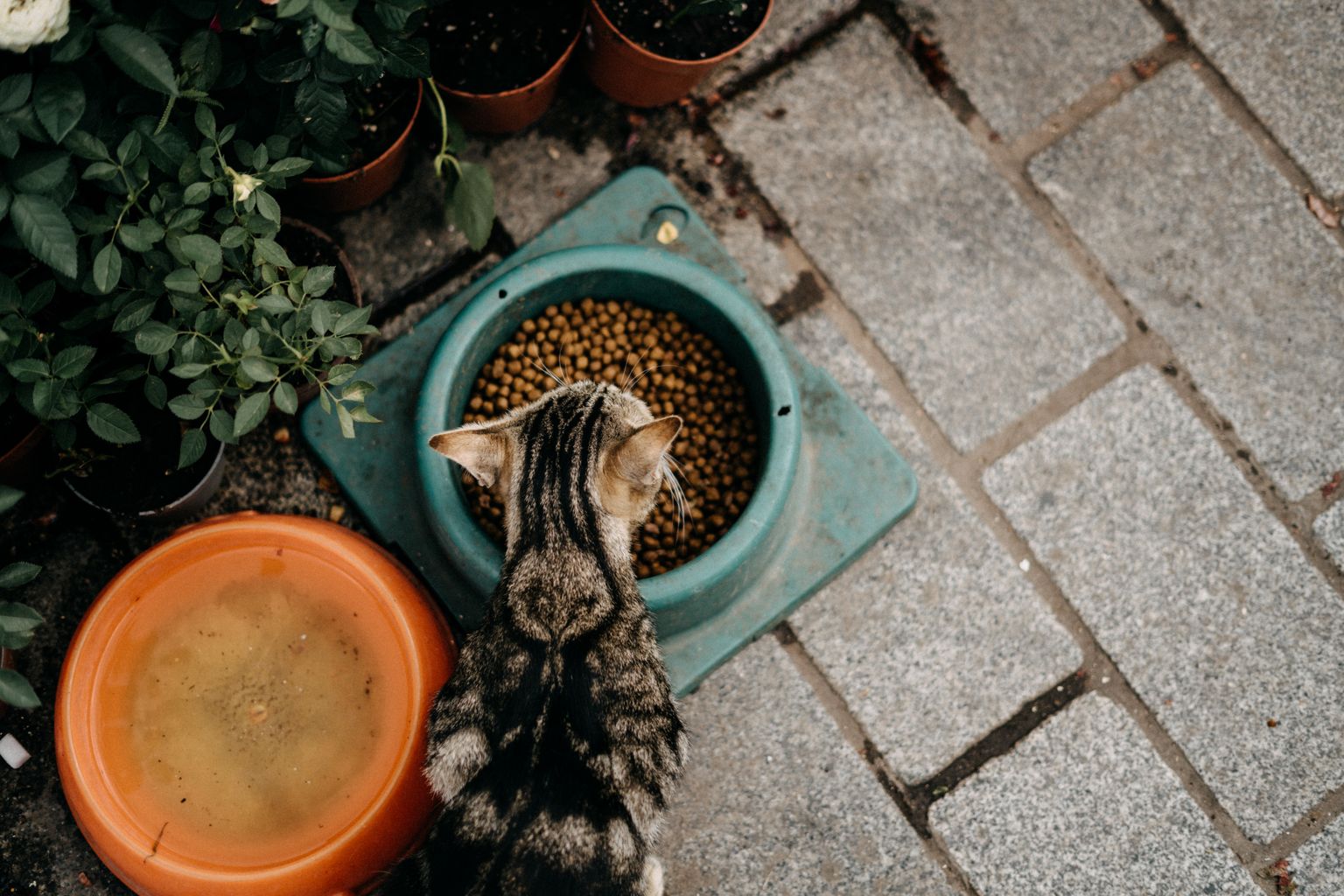
Our top picks for the best cat food for indoor cats
These picks are based on each food’s published formula, AAFCO statement, ingredient list and what it’s designed to do. Every cat is different, so treat this as a shortlist and check with your vet if your cat has a health condition.
1. Hill’s Science Diet Adult Indoor (best overall dry)
Hill’s indoor formula is designed for adult cats aged 1 to 6. It uses chicken as the first ingredient, a natural fiber blend for hairballs, and controlled calories. It’s widely available, consistent from bag to bag, and backed by a company with a large veterinary nutrition team. A solid default if you want one dry food that covers the main indoor problems.
2. Royal Canin Indoor Adult (best for picky eaters and litter odor)
Royal Canin’s indoor recipe focuses on highly digestible protein, which the brand says helps reduce stool volume and odor. That’s a real plus in a small apartment, especially when you pair it with a cat litter that controls odor well. The kibble shape and flavor tend to suit fussy cats. The trade-off is that it leans on chicken by-product meal and grains rather than whole meat, which some owners don’t like.
3. Purina ONE Indoor Advantage (best budget dry)
If price matters, Purina ONE Indoor Advantage gives you real turkey as the first ingredient, a fiber blend for hairballs and an AAFCO statement for adult maintenance at a lower cost than premium brands. It’s a sensible choice for multi-cat homes.
4. Weruva Classic wet food (best wet food)
Weruva’s canned recipes, such as Paw Lickin’ Chicken, are high in moisture and made mostly from shredded meat, so they’re high in protein and low in carbohydrates on a dry matter basis. As with any wet food, check that the specific recipe you buy carries a complete and balanced statement if it’s your cat’s main food, since some brands sell supplemental recipes alongside complete ones.
5. Fancy Feast Classic Pâté (best budget wet)
Fancy Feast Classic Pâté is affordable, almost universally accepted by cats, and the Classic Pâté line is labeled complete and balanced. Mixing a can a day into a mostly dry diet is one of the cheapest ways to get more water into an indoor cat.
6. Smalls Fresh (best fresh food)
Smalls ships human-grade fresh cat food, portioned to your cat’s weight and goals. It’s very high in moisture and protein, and pre-portioned packs make it hard to overfeed. It costs more than kibble or canned food, so some owners use it as a topper instead of a full diet.
Quick comparison
| Food | Type | Best for | Price level |
|---|---|---|---|
| Hill’s Science Diet Adult Indoor | Dry | Everyday all-rounder | Mid |
| Royal Canin Indoor Adult | Dry | Picky eaters, stool odor | Mid to high |
| Purina ONE Indoor Advantage | Dry | Budget, multi-cat homes | Low |
| Weruva Classic | Wet | High protein, hydration | Mid to high |
| Fancy Feast Classic Pâté | Wet | Cheap hydration boost | Low |
| Smalls Fresh | Fresh | Weight control, high moisture | High |
Is wet or dry food better for indoor cats?
Both can work. Most vets are happy with either, as long as the food is complete and balanced and portions are controlled.
Dry food is convenient, cheaper per calorie, and can sit out for a while without spoiling. Its downsides are low moisture and high calorie density, which makes overfeeding easy.
Wet food adds water, usually has fewer carbohydrates, and fills cats up for fewer calories. It costs more and spoils within a few hours in the bowl.
For a lot of indoor cats, a mix is the most practical answer: wet food for one or two meals, plus a measured portion of dry. You get the hydration benefit without the cost of an all-wet diet.
What about grain-free?
Grain-free doesn’t automatically mean healthier. Cats digest cooked grains well, and many grain-free foods replace them with peas or potatoes, which are no better for a cat. Choose based on protein, calories and the AAFCO statement, not the grain-free label, unless your vet has diagnosed a specific grain allergy (which is uncommon in cats).
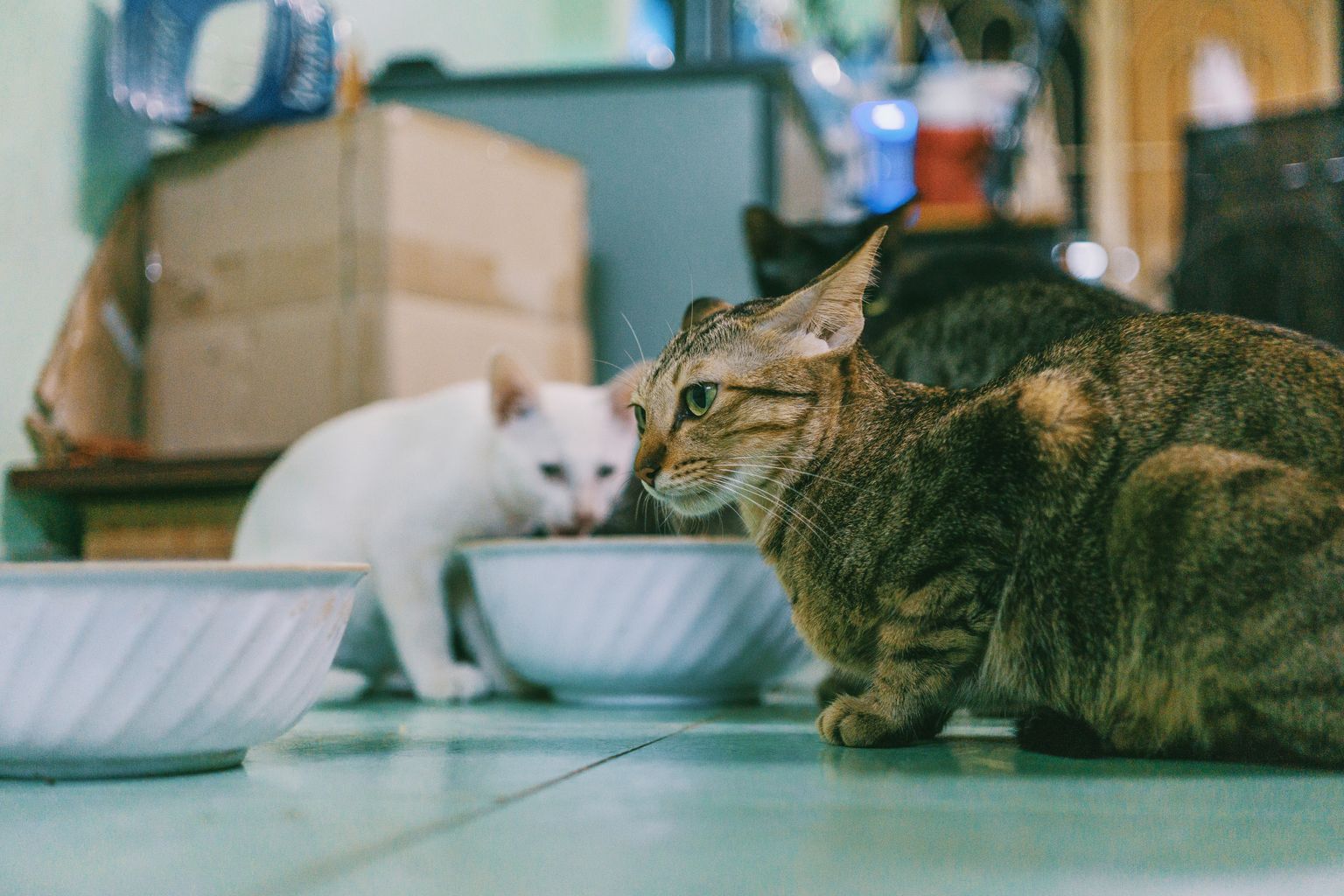
How much should you feed an indoor cat?
A typical 10 lb (4.5 kg) spayed or neutered indoor adult needs somewhere around 180 to 230 calories a day. Less active or overweight cats sit at the lower end. The bag’s feeding chart is a starting point, but it’s often generous.
A simple way to get closer:
- Find the calories per cup or per can on the label.
- Divide your cat’s daily target by that number to get the daily amount.
- Measure with a kitchen scale or a proper measuring cup, not a scoop you eyeball.
- Count treats. Keep them under 10% of daily calories.
- Weigh your cat every month and adjust by about 10% if the number creeps up or down.
Vets use a 9-point body condition score, and the ideal is about 5 out of 9. At that score you can feel your cat’s ribs with light pressure, and you can see a waist when looking down from above. If you can’t feel ribs, ask your vet for a target weight and a calorie number.
How can you keep an indoor cat at a healthy weight?
Food choice is half the job. How you feed matters just as much.
Feed meals instead of a full bowl all day
Free feeding works for some cats, but most indoor cats overeat when food is always available. Two to four measured meals a day keeps intake predictable.
Make them work for it
Food puzzles and treat balls slow down fast eaters and give a bored cat something to do. The American Association of Feline Practitioners has recommended feeding puzzles for indoor cats for this reason.
Add moisture
Even if you stick with dry food, you can stir a spoonful of warm water into kibble, add a daily can of wet food, or put a water fountain somewhere quiet. Many cats drink more from moving water.
Play every day
Ten to fifteen minutes of wand-toy play, once or twice a day, burns calories and cuts down on boredom grooming. That also means fewer hairballs.
Foods and habits to avoid
A few things cause more trouble than they’re worth for indoor cats:
- Feeding a kitten or “active” formula to a sedentary adult. They’re calorie-dense by design.
- Dog food. It lacks enough taurine and other nutrients cats need.
- Homemade diets without a vet nutritionist’s recipe. They’re easy to get wrong.
- Milk, onions, garlic, grapes, raisins and chocolate, which can upset or poison cats.
- Switching foods overnight. Mix new food into old over 7 to 10 days to avoid stomach upset.
A better diet often shows up in the litter box too. Highly digestible food tends to mean smaller, less smelly stools, so the right food and the right litter work together to keep a small home smelling fresh.
Conclusion
The best cat food for indoor cats doesn’t need to be the most expensive bag on the shelf. Pick a complete and balanced food with animal protein near the top, feed it by calories rather than by guesswork, and get some extra water into your cat’s day with wet food or a fountain. Weigh your cat every month and adjust as you go. Once the food bowl is sorted, the rest of your cat’s setup matters too, and our pet product guide can help you choose the litter, toys and other gear that suit an indoor cat.
Frequently asked questions
What is the healthiest cat food for indoor cats?
The healthiest food is a complete and balanced diet with animal protein first, moderate calories and good moisture. For many cats, that means a quality wet food or a mix of wet and a measured indoor dry formula.
Do indoor cats really need indoor cat food?
Not always. “Indoor” isn’t a regulated category. What matters is calories, fiber and moisture. A regular adult food fed in the right amount can work just as well as an indoor-labeled one.
What is the best dry cat food for indoor cats?
Hill’s Science Diet Adult Indoor is a dependable all-rounder, Royal Canin Indoor Adult suits picky eaters and helps with stool odor, and Purina ONE Indoor Advantage is a good budget option. Measure portions whichever you choose.
What is the best wet cat food for indoor cats?
Weruva suits cats that need high protein and hydration, as long as you pick a complete and balanced recipe. Fancy Feast Classic Pâté is a cheap, well-accepted way to add moisture.
How many times a day should I feed my indoor cat?
Two to four small meals a day suits most adult cats. Split the daily calorie target across the meals so the total stays the same.
Should senior indoor cats eat different food?
Cats over about 7 to 10 years old may benefit from senior formulas with easily digestible protein. Older cats can lose muscle, so don’t cut protein. Ask your vet to check kidney and thyroid health before choosing.
