
This blog is general information and is not veterinary advice. Talk to your vet about your cat’s diet and health. Read our full disclaimer.
Quick answer: The main disadvantages of automatic cat feeder use are missed meals when power, batteries or Wi-Fi fail, jams and inaccurate portions, limits with wet food, overeating, food theft between cats, cleaning effort, noise stress, and less chance to notice appetite changes. Most can be reduced with the right model and daily checks.
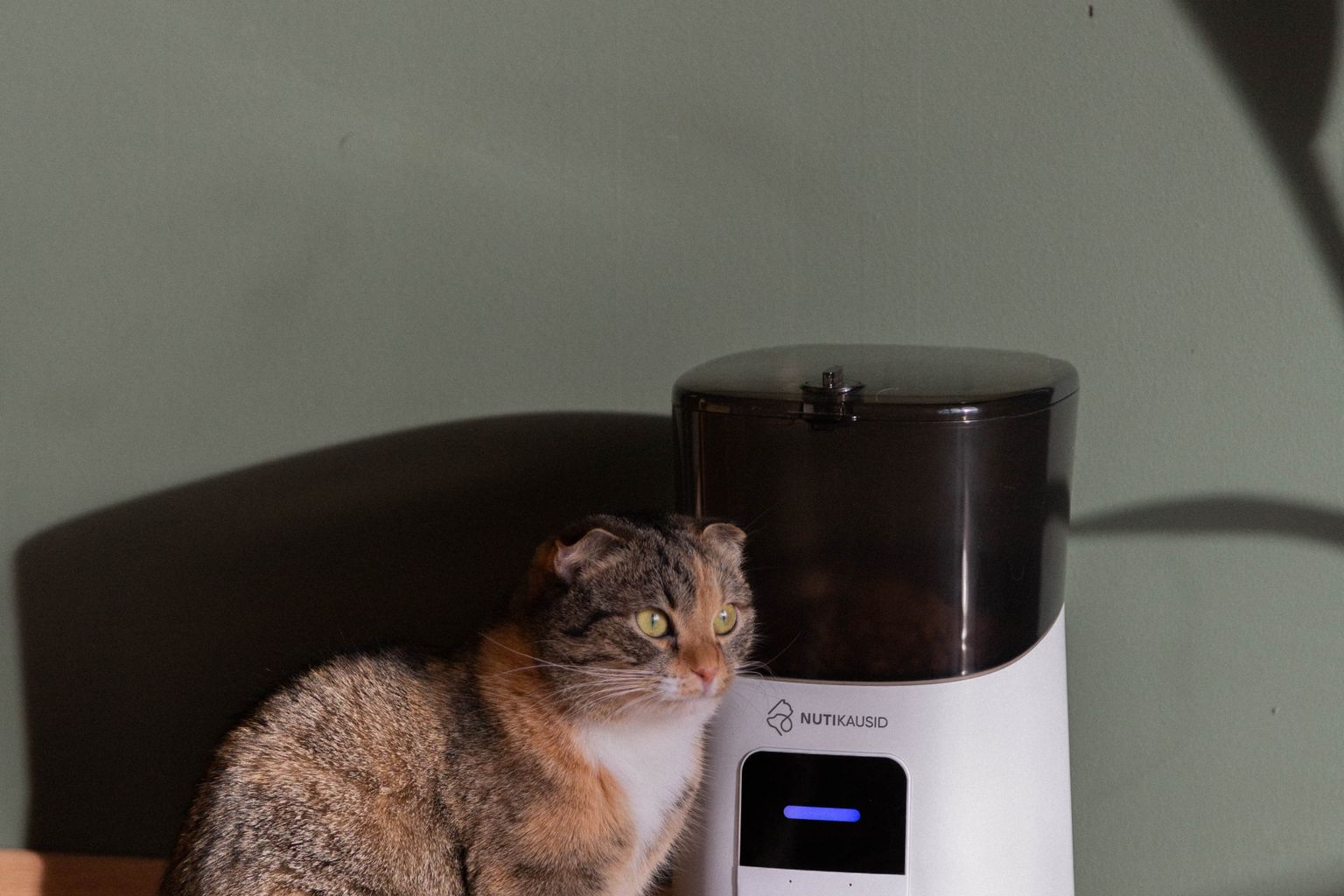
An automatic cat feeder sounds like the perfect fix for early alarms and late workdays. It drops a measured meal on a schedule, and your cat stops yelling at you at 5 a.m. The catch is that these machines fail in predictable ways, and your cat is the one who pays for it. Knowing the disadvantages of automatic cat feeder use before you buy helps you pick a model that avoids most of them.
Below are the 9 problems owners run into most, each with a practical way to reduce it. Like the rest of our pet care guides, it’s written for everyday owners, so you’ll get plain answers and clear next steps.
What Are the Disadvantages of Automatic Cat Feeder Use?
The disadvantages of automatic cat feeder use fall into three groups: the machine fails (power, jams, portions), the food or cats don’t suit it (wet food, multi-cat homes, nervous cats), or you lose touch with how your cat is eating. Here’s the full list at a glance, with who each one hits hardest and the quickest fix.
| Disadvantage | Cats most affected | Quick fix |
|---|---|---|
| 1. Power, battery or Wi-Fi failure | Cats left alone for long stretches | Dual power plus a daily check |
| 2. Jams and inaccurate portions | Cats on a weight plan | Weigh portions in the first week |
| 3. Built mainly for dry food | Cats on wet or prescription diets | Use a tray or cooled model, follow food time limits |
| 4. Overeating or food fixation | Food-driven and overweight cats | Small, measured meals set with your vet |
| 5. Food stealing in multi-cat homes | Slow eaters and cats on special diets | Microchip feeders or separate stations |
| 6. Harder to spot appetite changes | Older cats and cats with health issues | Check the bowl daily, use feeding logs |
| 7. More cleaning effort | Every cat | Removable, washable parts |
| 8. Motor noise | Shy cats and kittens | Slow, step-by-step introduction |
| 9. No replacement for daily care | Every cat | A sitter or daily visit when you travel |
Most owners only hit two or three of these. The trick is figuring out which ones match your cat before you spend the money.
The 9 Disadvantages of Automatic Cat Feeder Use, Explained
Each problem below uses the same three parts: what goes wrong, which cats it affects most, and how to reduce it. Use it as a checklist against the feeder you’re considering.
1. Power, Battery or Wi-Fi Failures Can Mean Missed Meals
What goes wrong: An automatic feeder runs on a motor and a timer. If the plug gets knocked out, the batteries die or the Wi-Fi drops, the meal may never come. Smart feeders add another weak spot, because the app schedule depends on a working connection.
Cats most affected: Cats left alone all day, or overnight, with no one around to notice an empty bowl.
How to reduce it: Pick a model with dual power, meaning a wall plug plus a battery backup. Check the manual for what still works on battery, since some smart features stop when the feeder is running on batteries alone. Then look at the bowl once a day, even if the app says everything is fine.
2. Jams and Inaccurate Portions
What goes wrong: Kibble gets stuck in the chute, or the feeder drops more or less food than you set. In Wirecutter’s 2019 test of automatic pet feeders, every programmable dispenser tested overfed, by anywhere from a teaspoon or two to double the programmed amount. The same review found that many models jam when set to release more than a cup of kibble at once.
Cats most affected: Cats on a weight-loss plan, where a few extra pieces a day add up fast.
How to reduce it: Check the maximum kibble size the feeder accepts before you buy. During the first week, weigh a few dispensed portions on a kitchen scale and adjust the setting until it matches what you want.
3. Most Feeders Are Built for Dry Food
What goes wrong: Hopper-style feeders are made for dry kibble. Wet food spoils at room temperature, and Wirecutter also noted that semi-moist food dries out quickly in a feeder. Hill’s Pet Nutrition advises emptying moist or canned food your cat hasn’t eaten within 4 hours if the room is above 50°F, according to its pet food storage tips.
Cats most affected: Cats who eat mostly wet food or a canned prescription diet.
How to reduce it: Look for a tray-style feeder with sealed compartments, or a model with a cooling feature, and follow the food maker’s guidance on how long wet food can sit out. If your cat is on a prescription wet diet, ask your vet whether a feeder suits that plan at all.
4. They Can Encourage Overeating or Food Fixation
What goes wrong: A feeder that makes a sound before every meal can teach your cat to wait by it, paw at it or even try to break in. If the feeder over-dispenses, or if you add extra meals to stop the begging, your cat’s daily calories creep up.
Cats most affected: Food-driven cats and cats who are already overweight.
How to reduce it: Split the daily amount into several small, measured meals and keep the total the same. Ask your vet how much your cat should eat per day, and set the feeder to match. Avoid adding “bonus” meals when your cat complains.
5. Food Stealing and Guarding in Multi-Cat Homes
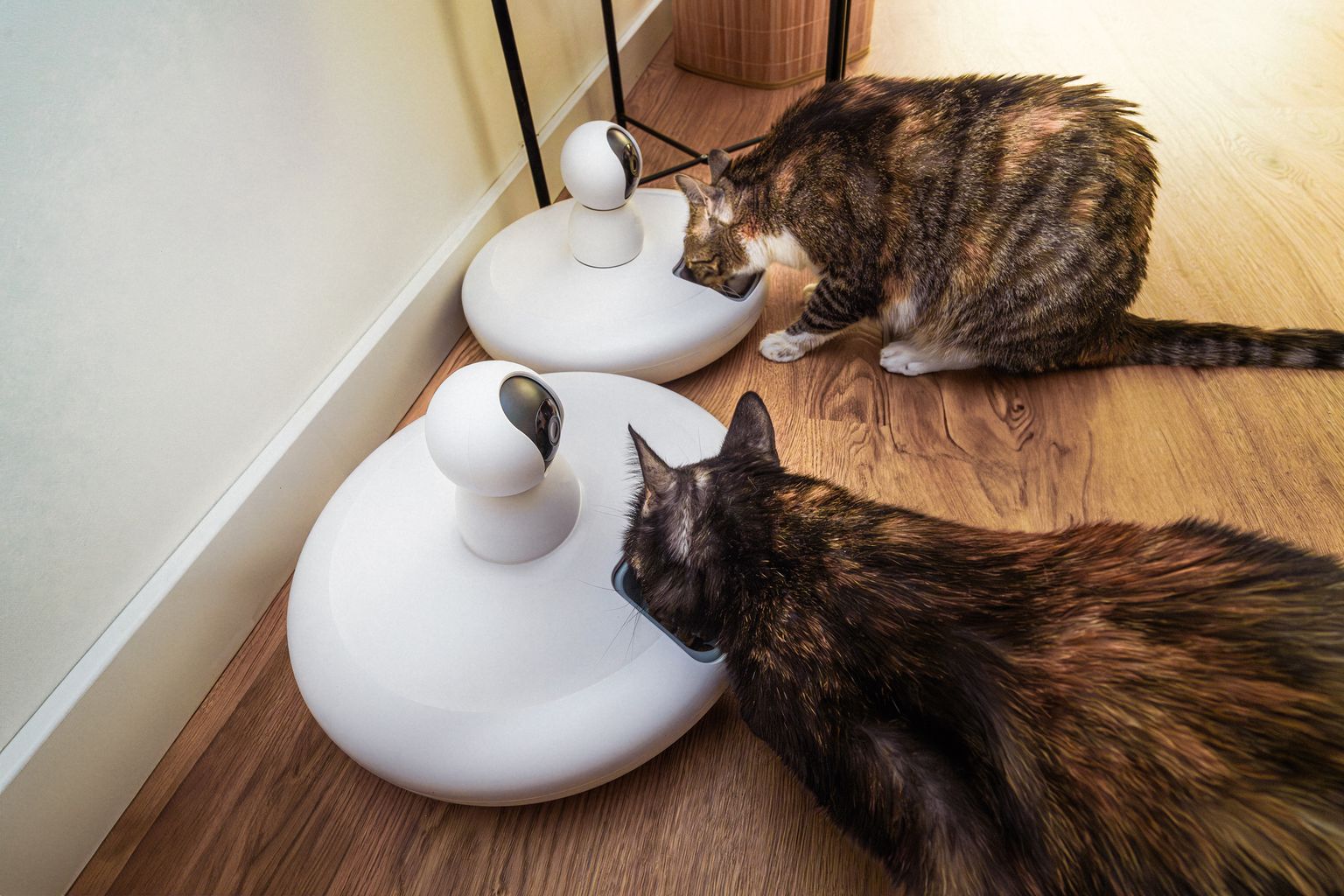
What goes wrong: A standard feeder serves whoever gets there first. A fast or bossy cat can eat another cat’s portion, or a prescription diet meant for someone else, and a timid cat may skip meals entirely.
Cats most affected: Slow eaters, shy cats and any cat on a special or prescription diet.
How to reduce it: Use a microchip feeder, which only opens its lid for a cat whose microchip or collar tag is registered to it. A cheaper option is one feeder per cat, placed in separate rooms or at least far apart, with someone checking who’s eating what.
6. It Is Harder to Spot Changes in Appetite
What goes wrong: When you hand-feed, you see every meal. With an automatic feeder, a cat that stops eating can go unnoticed for a day or two. That gap matters: the Cornell Feline Health Center says loss of appetite can have a severe impact on a mature cat’s health if it lasts as little as 24 hours.
Cats most affected: Older cats, overweight cats and cats with existing health problems.
How to reduce it: Check the bowl every day and notice whether food is left over. If your feeder has feeding logs in its app, read them. Call your vet promptly if your cat stops eating or eats much less than usual.
7. Cleaning Takes More Effort
What goes wrong: Hoppers, chutes and bowls collect oily crumbs and stale food. Some feeders have electronics in the base, so you can’t put the whole unit in water, and cleaning means taking parts apart.
Cats most affected: Every cat, especially picky eaters who refuse food from a dirty bowl.
How to reduce it: Choose a feeder with removable bowls and hoppers you can wash easily, and read the cleaning section of the manual before buying. Wash the bowl as often as you would a normal food dish.
8. Motor Noise Can Startle Sensitive Cats
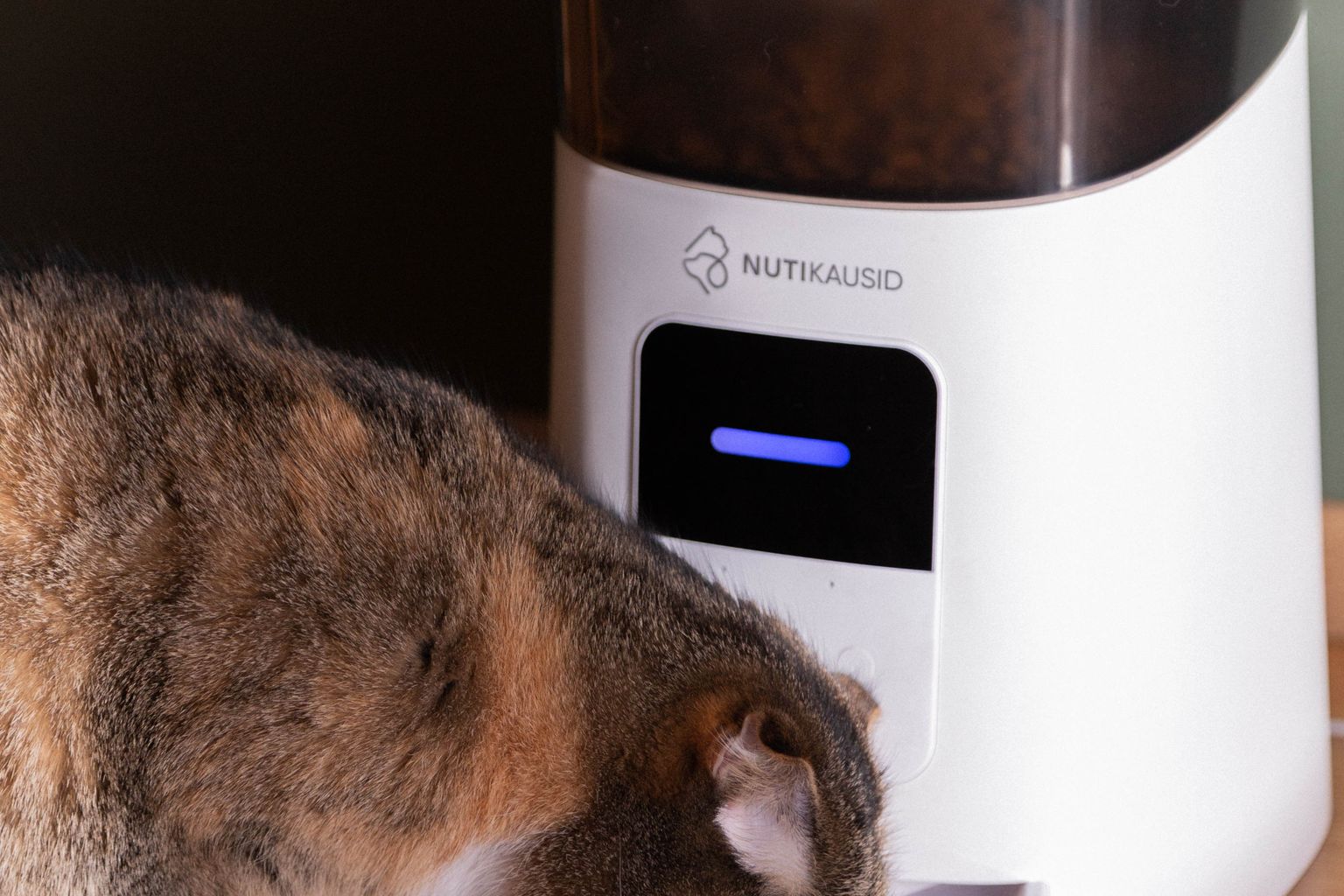
What goes wrong: The whir or click of the motor can scare a nervous cat. A scared cat may avoid the feeder and miss meals, even when it’s hungry.
Cats most affected: Shy adult cats, rescue cats and young kittens still settling in.
How to reduce it: Introduce the feeder slowly. Leave it switched off with food in the bowl for a few days, then trigger meals manually while you’re in the room. Only switch to a full schedule once your cat eats from it calmly.
9. It Does Not Replace Daily Care
What goes wrong: A feeder handles food, and that’s all. Your cat still needs fresh water, a clean litter box, play and someone to notice if something is off. Russell Hartstein, quoted in Wirecutter’s feeder review, puts it simply: “A feeder should never be used as a way to not hire a pet sitter, walker, or boarding facility.”
Cats most affected: Every cat, but especially kittens. If you’re a new owner, our guide on how to take care of a kitten covers the daily basics a feeder can’t.
How to reduce it: Treat the feeder as a helper for your routine. Keep daily check-ins, play time and litter cleaning on your own to-do list.
Are Automatic Feeders Bad for Cats?
Automatic feeders aren’t bad for cats on their own. Most problems come from machine failures, the wrong feeder for the food or household, and owners checking in less often. Used with daily checks and measured portions, a feeder can help keep meal times steady and portions consistent.
A feeder tends to work well for cats who eat dry food, live alone or with cats that don’t steal food, and have owners who are home every day. It’s a good fit for people with long workdays who want a midday meal served on time, or for cats on a portion plan set with a vet.
A feeder is a poorer fit for cats who eat mostly wet food, nervous cats, and homes where cats fight over food. In those cases, the disadvantages often outweigh the convenience unless you buy a model built for that situation.
Do Vets Recommend Automatic Cat Feeders?
Vets don’t give one blanket answer on automatic cat feeders, because the right choice depends on your cat’s health, diet and household. A feeder can help with portion control and routine, but the risks in this guide, especially unnoticed appetite loss, are the reasons vets want owners checking in daily.
The best move is to ask your own vet before you start. Bring the feeder’s portion settings and your cat’s current daily food amount to the appointment. This matters most for cats on a weight-loss plan, cats on a prescription diet and cats with diabetes or kidney disease, where meal timing and amounts are part of the care plan.
Can I Leave My Cat Alone for 2 Days With an Automatic Feeder?
An automatic feeder only covers food, so it shouldn’t be the reason you leave a cat alone for 2 days. Your cat also needs fresh water, a clean litter box and someone to notice a jam, a power cut or a cat that has stopped eating.
The Cornell Feline Health Center’s warning about appetite loss lasting as little as 24 hours is the main reason to arrange a check. A two-day trip is long enough for a jammed feeder or an unwell cat to become a real problem.
For any overnight trip, arrange a pet sitter, a neighbor or a friend to visit at least once a day. Ask them to check the bowl, refresh the water and scoop the litter. The feeder then becomes a backup that keeps meals on time between visits.
Which Cats Should Not Use an Automatic Cat Feeder?
Some cats are better off with hand-fed meals, or need a specialized feeder. The main groups are cats on wet-only or prescription diets without a suitable feeder, very nervous cats, multi-cat homes without microchip feeders, and cats whose health needs close watching at every meal.
Cats recovering from illness, seniors with a changing appetite and cats with diabetes often need their eating watched closely. A feeder can hide the very changes your vet needs to know about.
Kittens also do better with an owner nearby at mealtimes while they’re learning routines. Call your vet straight away if your cat refuses food, vomits after eating or seems weak or hides more than usual.
How to Choose an Automatic Cat Feeder That Avoids These Problems
The easiest way to avoid the disadvantages of an automatic cat feeder is to choose a model with a feature that fixes each one. Use this 9-Point Feeder Failure Check before you buy, and skip any feeder that fails the points that matter for your cat.
- Dual power: a wall plug plus battery backup, so a power cut doesn’t cancel meals.
- Jam-resistant chute: a stated maximum kibble size that fits your cat’s food.
- Accurate portion settings: small portion sizes you can set and test on a kitchen scale.
- Wet food option: a sealed tray or cooling feature if your cat eats wet food.
- App alerts and feeding logs: low-food, jam and missed-meal alerts, plus a meal history.
- Microchip lid: for homes with more than one cat or a cat on a special diet.
- Easy cleaning: removable bowls and hoppers you can wash without tools.
- Quiet motor: reviews or specs that mention low noise if your cat startles easily.
- Stable base: a wide or weighted base so a curious cat can’t knock it over.
What you put in the feeder matters too. A dry food with a size and shape that dispenses cleanly cuts down on jams, and our breakdown of cat food ingredients explains what to look for on the label.
Is an Automatic Cat Feeder Worth It?
An automatic cat feeder is worth it if your cat eats dry food, you’re home every day to check on things, and you want steady meal times or portion control. It’s less worth it for wet-food eaters, multi-cat homes without microchip feeders, and anyone hoping it will cover a trip away.
Prices vary widely. Basic timer models cost far less than microchip or camera feeders, so check current prices at the retailer before you decide. Spend money on the features that fix your cat’s likely problems, such as dual power or a microchip lid. A camera or voice recorder is nice to have, but it won’t stop a jam.
Whatever feeder you choose, the food inside it still drives your cat’s health. For indoor cats, our guide to the best cat food for indoor cats is a good next read.
Frequently Asked Questions
Do automatic cat feeders work with wet food?
Most automatic cat feeders are built for dry kibble only. Some tray-style models have sealed compartments, and a few have cooling features for wet food. Hill’s Pet Nutrition advises emptying uneaten moist or canned food within 4 hours if the room is above 50°F, so plan meals around that limit.
How do automatic cat feeders work?
An automatic cat feeder stores food in a hopper or a set of trays. A timer or a phone app tells a small motor when to release a set portion into the bowl. Hopper models suit dry food. Tray models open one compartment per meal and can hold wet food for shorter periods.
What happens to an automatic cat feeder in a power outage?
A plug-only feeder stops working in a power outage, and meals are missed until power returns. Many models have a battery backup that keeps the feeding schedule running. Smart features may stop working on battery power, so check your manual and keep fresh batteries in the feeder.
Can an automatic feeder make my cat overweight?
An automatic feeder can lead to weight gain if portions are set too high or the machine over-dispenses. Wirecutter’s 2019 testing found programmable feeders overfed by up to double the set amount. Weigh a few portions on a kitchen scale and ask your vet how much your cat needs daily.
How often should you clean an automatic cat feeder?
Wash the food bowl as often as you’d wash a regular cat dish, since crumbs and oils build up quickly. Clean the hopper and chute whenever you see residue or change food, following the manufacturer’s instructions. Never submerge a base that contains electronics in water.
Are automatic feeders good for multiple cats?
Automatic feeders work for multiple cats only with the right setup. A standard feeder lets the fastest cat eat everyone’s share. Microchip feeders open only for a registered cat, which stops food stealing. Separate feeders in separate spaces are a cheaper option if someone checks who eats what.
Is a gravity feeder better than an automatic feeder?
A gravity feeder refills the bowl as your cat eats, so it gives no control over portions or meal times. An automatic feeder releases measured meals on a schedule. For cats who overeat or need a set daily amount, an automatic feeder is the better choice.
What is the healthiest way to feed a cat?
The healthiest way to feed most cats is measured meals of a complete and balanced diet, split through the day, with fresh water always available. The right amount and food depend on your cat’s age, weight and health, so your vet should set the plan.