


Bringing home a new pet is exciting, and a little nerve-racking if you have never raised a young cat before. The good news is that the basics are simple. Knowing how to take care of a kitten comes down to a handful of daily habits: a safe, cat-proofed space, a complete growth formula food served in small meals three or four times a day, a clean litter box, regular vet visits with vaccines on schedule, and plenty of play and gentle handling. Young cats grow quickly in their first year, so what they need at eight weeks looks different from what they need at six months. Below, we go through each part of kitten care in order, from getting your home ready to feeding, grooming, training and spotting the early signs that something is wrong.
Preparing Your Home for a New Kitten
Get everything set up before your new arrival comes through the door. A nervous little one who walks into a house full of boxes and noise will usually head straight under the sofa, and it can take days to coax them out.
Supplies Checklist for First-Time Cat Owners
| Item | What to look for |
|---|---|
| Food | A complete diet labeled for growth or “all life stages.” Start with whatever the shelter or breeder was feeding. |
| Food and water bowls | Shallow, wide ceramic or stainless steel bowls that don’t squash their whiskers. |
| Litter box | Low sides so small legs can step in easily. |
| Litter | Unscented. Non-clumping is safer at first, since very young cats sometimes taste it. |
| Bed | Something soft with raised sides, or a folded fleece blanket. |
| Carrier | Hard-sided, ideally with a top opening for easier vet visits. |
| Scratching post | Tall and heavy enough not to tip over. |
| Toys | A wand toy, small balls and crinkle toys. |
| Grooming kit | A soft brush and small cat nail clippers. |
Kitten-Proofing Your Home
Young cats explore with their mouths and paws, so get down to their level and look for anything they could chew, swallow, climb into or knock over:
- Tidy away charger cables and cover any electrical cords you can’t move.
- Keep string, hair ties, rubber bands and thread out of reach. Swallowed string can cause a dangerous gut blockage.
- Tie up blind and curtain cords.
- Close the washing machine and dryer, and check inside before every load.
- Store medicines, cleaning products and essential oils in closed cupboards.
- Remove lilies from the house completely. The Cornell Feline Health Center warns that a single bite of an Easter lily can cause kidney failure in cats, and daylilies and tiger lilies are just as toxic.
How to Take Care of a Kitten in the First Few Days
Set up one quiet room as a base, such as a spare bedroom or bathroom, with food, water, a litter box, a bed and a hiding spot like a cardboard box turned on its side. Put the litter tray on the opposite side of the room from the food bowls. Give your new pet a few days to settle there before opening up the rest of the house.
Sit on the floor and let them come to you. Some confident youngsters climb into your lap within an hour, while shy ones may hide for a day or two. Both are normal. Once they are eating, using the litter box and approaching you without fear, open the door and let them explore one room at a time. If you have other pets, keep them apart at first and swap their bedding so everyone learns each other’s scent before meeting face to face.
Feeding Your Kitten the Right Diet
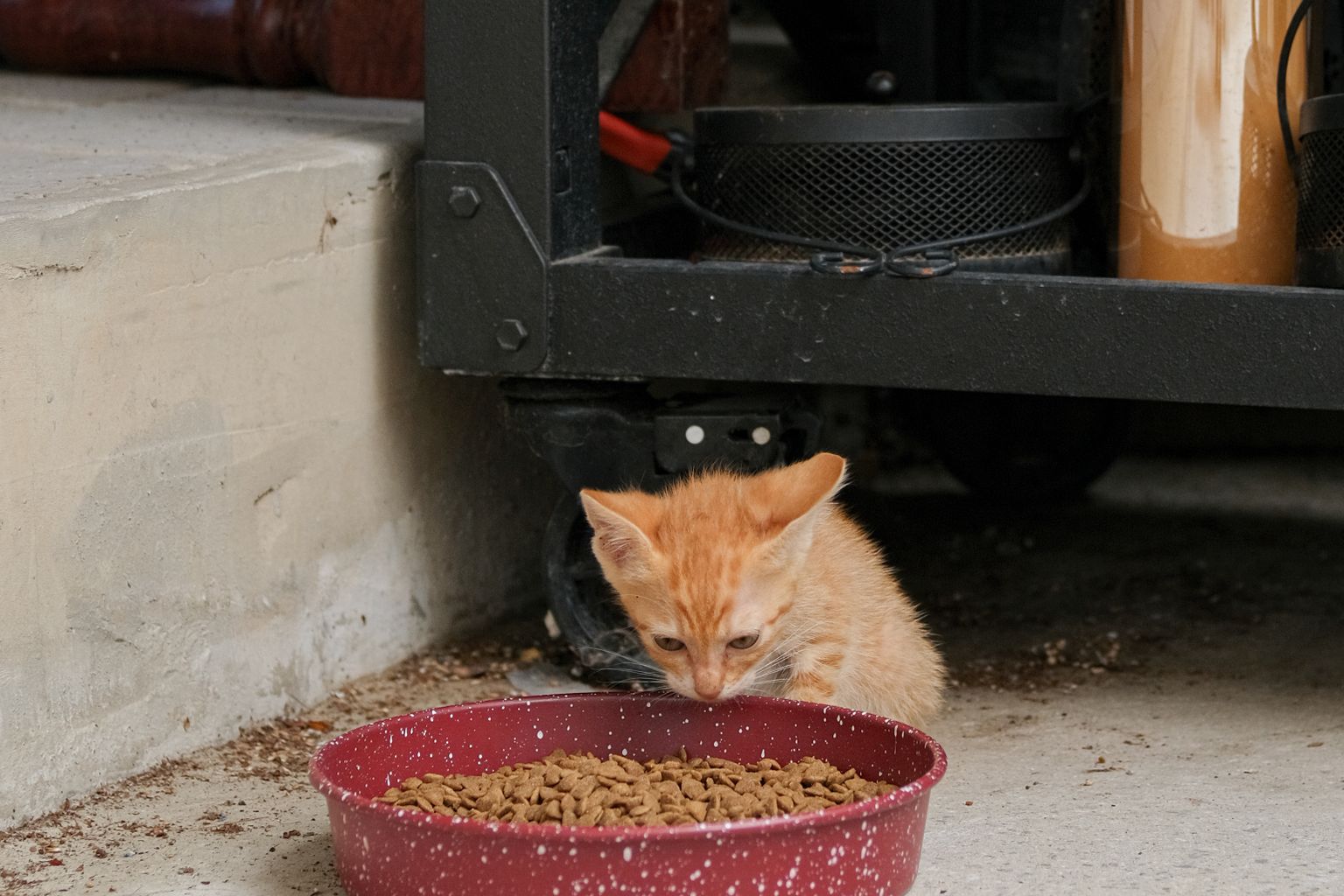
Cats grow faster in their first year than at any other stage of life, so a growing cat needs more calories, protein and minerals than an adult. Choose a food labeled complete for growth or for all life stages. Regular adult cat food doesn’t provide enough of these nutrients.
How Often to Feed a Kitten
Offer small meals three to four times a day until about six months old, then move to two or three meals a day. Those tiny stomachs can’t hold much, so one large breakfast won’t keep them going until evening. Use the feeding guide on the pack as a starting point and adjust based on body shape: you should be able to feel the ribs without seeing them. Keep fresh water available at all times.
Wet Food or Dry Food?
Either works, and many owners use both. Wet food adds moisture to the diet and is easier for small mouths to chew, while dry food is handy for leaving out between meals. Avoid sharing your own plate. Onions, garlic and chocolate are toxic to cats, and rich leftovers often cause an upset stomach.
When to Switch to Adult Cat Food
Most cats move to an adult diet at around 12 months, though large breeds like Maine Coons may stay on growth food longer. Mix the new food in gradually over about a week. When that time comes, our roundup of the best cat food for indoor cats is a good place to start.
Can Kittens Drink Cow’s Milk?
No. Most cats can’t digest lactose properly, and cow’s milk often causes diarrhea. Once weaned, water is all they need. Orphans who still need milk must have a feline milk replacer, never cow’s milk.
Caring for a Newborn Kitten Without a Mother
Newborns under four weeks old can’t regulate their body temperature, eat solid food or go to the toilet on their own. If you find or are given one this young, see a vet as soon as possible so they can check their health, estimate their age and show you how to bottle-feed.
Warmth comes first, because a cold baby can’t digest food. Put a heating pad on its lowest setting under a blanket, covering only half the box so they can crawl away if they get too warm. Keep the area at about 85°F (29°C) and provide a heat source until around six weeks of age.
Orphaned babies are bottle-fed milk replacer every two to four hours, including overnight. After each feed, gently rub the belly and bottom with a warm, damp cloth to help them pee and poop, the way a mother cat would. Weigh them daily on a kitchen scale. Healthy weight gain is roughly half an ounce (14 grams) a day, or about 4 ounces (113 grams) a week. If gains stall or they refuse the bottle, call your vet that day.
At around four to five weeks, start weaning by offering the milk replacer in a shallow dish, then mixing it with wet food into a soft mush. Most are eating solid food on their own by eight to ten weeks.
Litter Box Training Basics
Litter training is usually the easiest part of raising a young cat, because cats have a natural instinct to dig and bury their waste. Most pick it up within a few days if you make the box easy to use:
- Place them in the box after meals, after naps and after play, which is when they usually need to go.
- Keep the box somewhere quiet and away from food and water.
- Scoop at least once a day. Many cats refuse to use a dirty box.
- Clean any accidents with an enzyme cleaner to remove the smell, and never scold or punish.
The AAHA/AAFP feline life stage guidelines recommend one litter box per cat plus one extra, with low edges for youngsters and seniors. Once your cat is older and can move to clumping litter, our list of the best cat litter for odor control will help keep your home smelling fresh.
Grooming and Hygiene
Cats spend hours grooming themselves, but young ones still benefit from regular brushing. Short-haired coats need it about once a week, and long-haired breeds may need daily brushing to prevent tangles and mats. Starting early also gets your pet used to being handled.
Trim just the sharp claw tips every couple of weeks with small cat clippers, staying well clear of the pink quick. Check the ears and eyes while you’re at it. Ears should be pale pink inside without dark, crumbly debris, which can point to ear mites, and eyes should be bright with no crust or discharge.
Dental care can start young too. Put a little pet toothpaste on your finger, then move to a soft finger brush once they accept it. Never use human toothpaste. Baths are rarely needed, but if your cat gets into something messy, use a cat-specific shampoo and dry the coat thoroughly afterward.
Playtime and Mental Stimulation
Young cats have huge amounts of energy, and play is how they burn it off and practice hunting skills. Aim for at least two play sessions a day of 10 to 15 minutes each. Feather wand toys are ideal because your cat can stalk, chase and pounce while those needle-sharp claws stay away from your hands. Small balls, crinkle toys and simple puzzle feeders give mental stimulation when you’re not around.
Never let them play with your fingers or toes. A nip on the hand is cute at ten weeks and painful at ten months. If biting starts during play, freeze and redirect to a toy. Scratching posts matter too, since scratching is how cats stretch their muscles and keep their claws healthy. A sturdy post in the right spot is the best way to protect your furniture.
Socialization and Training
The most sensitive socialization window runs from roughly two to seven weeks of age, and young cats keep learning what’s safe throughout their first few months. Those who are handled gently, hear everyday household noises and meet calm visitors during this time usually grow into confident, relaxed adults.
Handle your pet daily in short, pleasant sessions. Touch the paws, ears and mouth, then give a treat, which makes nail trims and vet exams much easier later. Leave the carrier out with the door open and a treat inside so it becomes a familiar den rather than a sign of a vet trip.
Use positive reinforcement, not punishment. Reward good choices like using the scratching post, and calmly lift your cat off the counter onto a cat tree when they jump where they shouldn’t. Shouting, spraying water or tapping the nose only creates fear, and a fearful cat is harder to train.
Veterinary Care and Vaccinations
Book the first wellness exam within a week of bringing your new pet home, even if they seem perfectly healthy. Your vet will do a full physical exam, check for fleas, ear mites and intestinal worms, record their weight and set up a preventive care plan. It’s also a good time to ask questions about diet, behavior and spaying or neutering.
Core Vaccines and Booster Schedule
Core vaccines protect against feline panleukopenia, herpesvirus and calicivirus, usually combined in one shot called FVRCP. According to the AAHA/AAFP feline vaccination guidelines, the first dose is given at around six to eight weeks, then a booster every three to four weeks until 16 to 20 weeks of age. Rabies is given as required by local law, typically from about 12 to 16 weeks. Your vet may also recommend the feline leukemia (FeLV) vaccine. Our guide to pet vaccinations explains what each one protects against.
Deworming and Flea Prevention
Many young cats pick up roundworms from their mother, so vets usually deworm several times in the first few months. Only use parasite treatments labeled for your pet’s age and weight. Never use dog flea products on a cat, since those containing permethrin are toxic to cats.
Spaying and Neutering
Many vets now recommend spaying or neutering at around five months old. Female cats can go into heat and get pregnant from as early as four months, so waiting longer is a risk. Recovery at this age is usually quick.
Understanding Kitten Behavior
Cats communicate mostly through body language, and learning it helps you respond to what your pet needs. Slow blinking, kneading with the front paws and a tail held straight up all mean they feel relaxed and safe. Purring usually signals contentment, although cats sometimes purr when they’re unwell, so look at the whole picture.
Hiding, hissing, flattened ears and a puffed-up tail mean fear or stress. Give them space and let them come back in their own time. Some behavior looks strange but is completely normal. “Zoomies,” sudden bursts of racing around the house, usually happen in the evening and are just stored-up energy. Pouncing on your feet under the covers is hunting practice. Lots of sleep is normal too, often 16 to 20 hours a day.
Establishing a Healthy Routine
Cats feel more secure when meals, play and sleep happen at roughly the same times each day. A predictable schedule also makes litter habits and house rules easier to learn. Here’s an example daily routine for a three-month-old:
| Time | What happens |
|---|---|
| Morning | Breakfast, then a 10 to 15 minute play session |
| Midday | A small meal and a long nap |
| Late afternoon | Another small meal, plus brushing or handling practice |
| Evening | The most active play session of the day, then dinner |
| Before bed | Scoop the litter box and refresh the water |
Feeding straight after an energetic play session copies the natural “hunt, eat, groom, sleep” cycle, and many owners find it helps their cat sleep through the night.
Warning Signs That Need a Vet Visit
Young cats can become seriously ill quickly, so call your vet the same day if you notice:
- Refusing food, or refusing the bottle in a newborn
- Lethargy or unusual weakness
- Vomiting or diarrhea, especially if it lasts more than a day or contains blood
- Sneezing with discharge from the eyes or nose
- Pale gums, trouble breathing or a swollen belly
- Wobbliness or delays in walking and coordination
- Straining in the litter box or not peeing
Mention behavior changes at your next checkup too, such as skipping the litter box, hard and frequent biting, or extreme fearfulness. These are much easier to address while your cat is still young.
Conclusion
Learning how to take care of a kitten mostly comes down to getting a few routines right early. Give your new pet a quiet, cat-proofed room to settle into, feed a complete growth food in small meals three to four times a day, and keep a clean, low-sided litter box within easy reach. Book the first vet visit within a week, stick to the vaccine schedule and plan for spaying or neutering at around five months. Just as important, spend time every day handling, playing with and gently training your young cat, because the habits they learn now shape the adult they become. Watch for warning signs like poor appetite, lethargy or diarrhea, and call your vet early if something seems off. For more practical advice on cat food, litter and supplies, browse the latest guides at Pet Products Guide.
Frequently Asked Questions
How often should I feed my kitten each day?
Offer three to four small meals a day until about six months old, then two to three meals a day until the switch to adult food at around one year.
When should my kitten get their first vaccinations?
The first core vaccine is usually given at six to eight weeks old, followed by boosters every three to four weeks until 16 to 20 weeks. Your vet will set the exact schedule.
How can I make my home safe for a new kitten?
Hide electrical cords, put away string and small objects, remove toxic plants like lilies, lock away cleaning products and medicines, and always check the washer and dryer before using them.
How much sleep does a kitten need?
Most young cats sleep 16 to 20 hours a day in short naps between play sessions. If your pet is sleepy and also not eating or hard to wake, see a vet.
When should I start brushing my kitten’s teeth?
Start as soon as your new pet has settled in. Early on, the goal is getting them comfortable with having their mouth touched. Begin with pet toothpaste on your finger, then move to a soft finger brush.
How do I know if my kitten is healthy?
A healthy young cat is curious and playful, eats well, gains weight steadily, and has bright eyes, clean ears and a soft, clean coat. Regular checkups in the first year help catch anything you might miss.
Can I leave my kitten alone while I sleep?
Yes. A healthy cat over eight weeks old is fine overnight in a safe, cat-proofed room with food, water, a litter box and a bed.
