

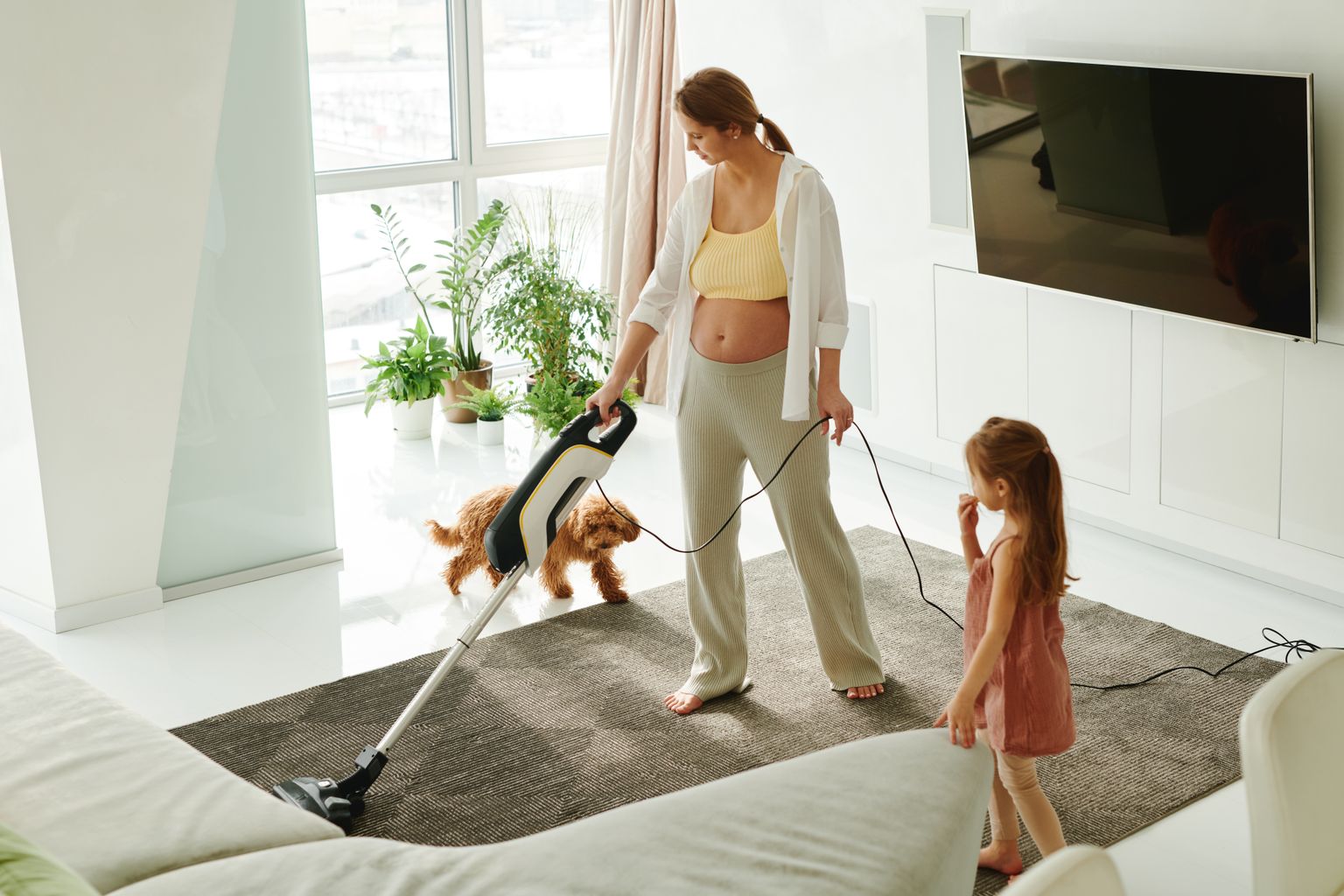
Pet smell rarely comes from the air itself. It comes from something in your house that keeps releasing it: a urine spot soaked into the carpet pad, a dog bed that hasn’t been washed in a month, a litter box one day overdue, or a couch cushion holding years of skin oil. That’s why candles and plug-in fresheners never win for long. The way to remove pet odor for good is to find each source, break it down with the right cleaner (an enzyme cleaner for anything your pet left behind), and then keep it from building up again with a simple weekly routine.
| Odor source | Best fix | How often |
|---|---|---|
| Urine on carpet or furniture | Blot, then soak with an enzyme cleaner | Right away |
| Pet bedding and throws | Hot wash with baking soda | Weekly |
| Litter box | Scoop, then wash the box | Daily scoop, wash every 1 to 2 weeks |
| Carpets and sofa | Baking soda, then vacuum | Weekly |
| Your pet’s coat | Brushing and a sensible bath schedule | 2 to 3 times a week |
| Stale air | Cross-ventilation and a HEPA plus carbon purifier | Daily |
Why does your house smell like pets?
You stop noticing your own home’s smell after a few days. In most homes, it comes from a mix of these:
- Urine: The biggest and most stubborn source. Urine contains uric acid salts that don’t dissolve in water, and they release odor again every time humidity rises.
- Skin oils and dander: Dogs carry natural oils and yeast on their skin that rub off on sofas, rugs, and walls at nose height, and slowly build a “doggy” film.
- Bedding and soft toys: These soak up drool, oils, and dirt every night.
- The litter box: Ammonia from cat urine builds fast, especially if the box is scooped less than once a day.
- Wet dog: Moisture activates the bacteria and yeast on a dog’s coat, which is where that sharp wet-dog smell comes from.
How do you find the source of pet odor?
Before you clean anything, find out exactly where the smell lives. Sniff at your pet’s height: their bed, room corners, baseboards, and the couch.
For urine, a cheap UV black light is the most useful tool you can buy. Turn off the lights after dark and scan the floor, walls, and furniture. Dried urine usually glows a dull yellow or greenish color. Outline each spot with chalk or painter’s tape so you can find it again in daylight. The Humane World for Animals guide on removing pet stains and odors recommends the same black light and chalk method.
How do you remove pet odor from carpet and furniture?
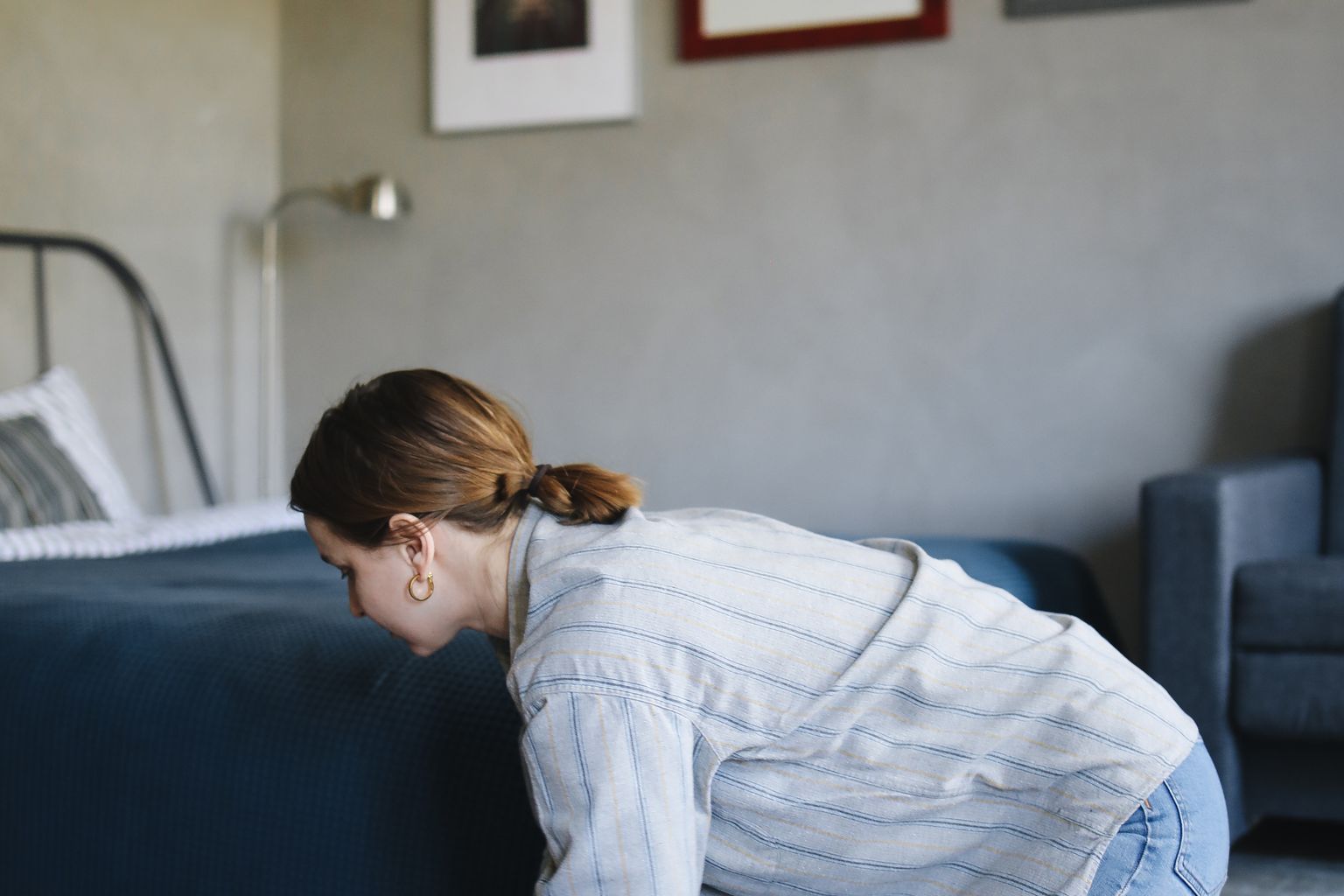
Urine is where most pet odor removal goes wrong, because the usual household cleaners lift the stain but leave the uric acid behind.
Fresh accidents
- Blot, don’t rub. Press a thick layer of paper towels on the spot and stand on it for a minute. Repeat until the area is only slightly damp. Rubbing pushes urine deeper into the pad.
- Rinse with cool water and blot again.
- Soak it with an enzyme cleaner. Use enough to reach as deep as the urine went, which on carpet usually means the pad, not just the fibers. A light mist on top does almost nothing.
- Let it sit. Enzymes need time to break down the uric acid. Follow the label, but plan on at least 10 to 15 minutes, and many products work best if you leave them to air dry.
- Cover it loosely with a towel or an upturned laundry basket so your pet doesn’t revisit the spot while it dries.
Old or set-in stains
Old spots need more product and patience. Saturate the area, cover it with plastic wrap to slow drying so the enzymes keep working, and leave it overnight. Two or three rounds are normal for a spot that’s been there for months.
Two things make old stains worse. Steam cleaners and hot water can set urine stains and odor permanently in synthetic fibers, so keep heat away until the odor is gone. And skip ammonia-based cleaners: urine contains ammonia, so the smell can draw your pet back to mark the same spot.
Hard floors, subfloors, and walls
On sealed tile, vinyl, and finished hardwood, wipe up urine fast, then use an enzyme product made for hard surfaces (test wood in a hidden spot first). If urine has soaked into the subfloor, treat it with an enzyme cleaner, let it dry completely, then seal it with a shellac-based odor-blocking primer before new flooring goes down. A soaked carpet pad is often faster to replace than to clean.
What is the best pet odor neutralizer?
The best odor eliminator for pets depends on what’s causing the smell. Here is how the main types compare:
| Type | How it works | Best for |
|---|---|---|
| Enzyme cleaner | Enzymes and bacteria break down the proteins and uric acid in urine, vomit, and feces | Accidents, marking, litter box spills |
| Oxidizing cleaner (hydrogen peroxide or oxygen-based) | Chemically breaks apart odor molecules | Hard surfaces, laundry, light-colored fabric (test first, it can bleach) |
| Odor absorber | Traps odor molecules (baking soda, activated charcoal) | General room and fabric freshness |
| Masking spray or plug-in | Covers the smell with fragrance | Nothing long term |
If you only buy one product, make it a good enzyme cleaner. It’s the only type that removes urine odor at the source.
What are natural ways to remove pet odors?
Natural remedies work well for general freshness, though they won’t fully break down old urine.
Baking soda. Sprinkle it over carpets, rugs, and fabric sofas, leave it for at least 30 minutes (overnight is better for smelly spots), then vacuum thoroughly. It absorbs odor instead of covering it.
White vinegar. Equal parts white vinegar and water makes a decent deodorizing spray for hard surfaces, litter boxes, and fabric that can handle it. Just know its limits: vinegar is acidic and won’t break down urine the way enzymes do, and some animal welfare groups advise against it on accident spots because the strong smell can encourage re-marking. Use it for cleaning, not as your urine treatment.
Activated charcoal. Bags of activated charcoal placed near the litter box, pet bed, or in a stuffy closet quietly absorb odor for weeks. Keep them out of reach so your pet can’t chew them open.
Fresh air and sunlight. Open windows on opposite sides of the house for 15 minutes a day, and dry washable pet beds in the sun when you can.
A note on essential oils. Many DIY recipes add tea tree, eucalyptus, or citrus oils. Be careful here. The ASPCA warns that essential oils and diffusers can be harmful to pets, and cats are especially sensitive. Tea tree oil is a well-known risk. If you want a scented home, ask your vet first, and never apply oils to your pet’s coat or bedding.
How do you get rid of dog smell in the house?
Once accidents are handled, most lingering dog smell comes from the dog and everything it touches.
Wash the bedding every week. Use the hottest water the fabric label allows, plus your normal detergent. Adding half a cup of baking soda helps, and if the bed still smells, run it again with an enzyme laundry additive.
Bathe on a schedule. Most dogs do well with a bath every few weeks, while bathing too often can dry out the skin and make odor worse. Our guide on how often you should bathe your dog breaks it down by coat type.
Brush two or three times a week. Brushing removes the dead hair and dander that carry smell into your furniture, and the same habits that help you prevent pet hair from taking over your home also cut odor.
Dry your dog and clean the small stuff. Towel your dog off at the door after rainy walks, because a damp dog on the sofa is how the couch ends up smelling like wet dog. Wash soft toys with the bedding, soak collars in warm soapy water every few weeks, and wash bowls daily.
Vacuum with a good filter. Vacuum carpets and upholstery two or three times a week, and empty the canister or swap the bag often. A full bag starts to smell and spreads it around.
How do you control litter box odor?
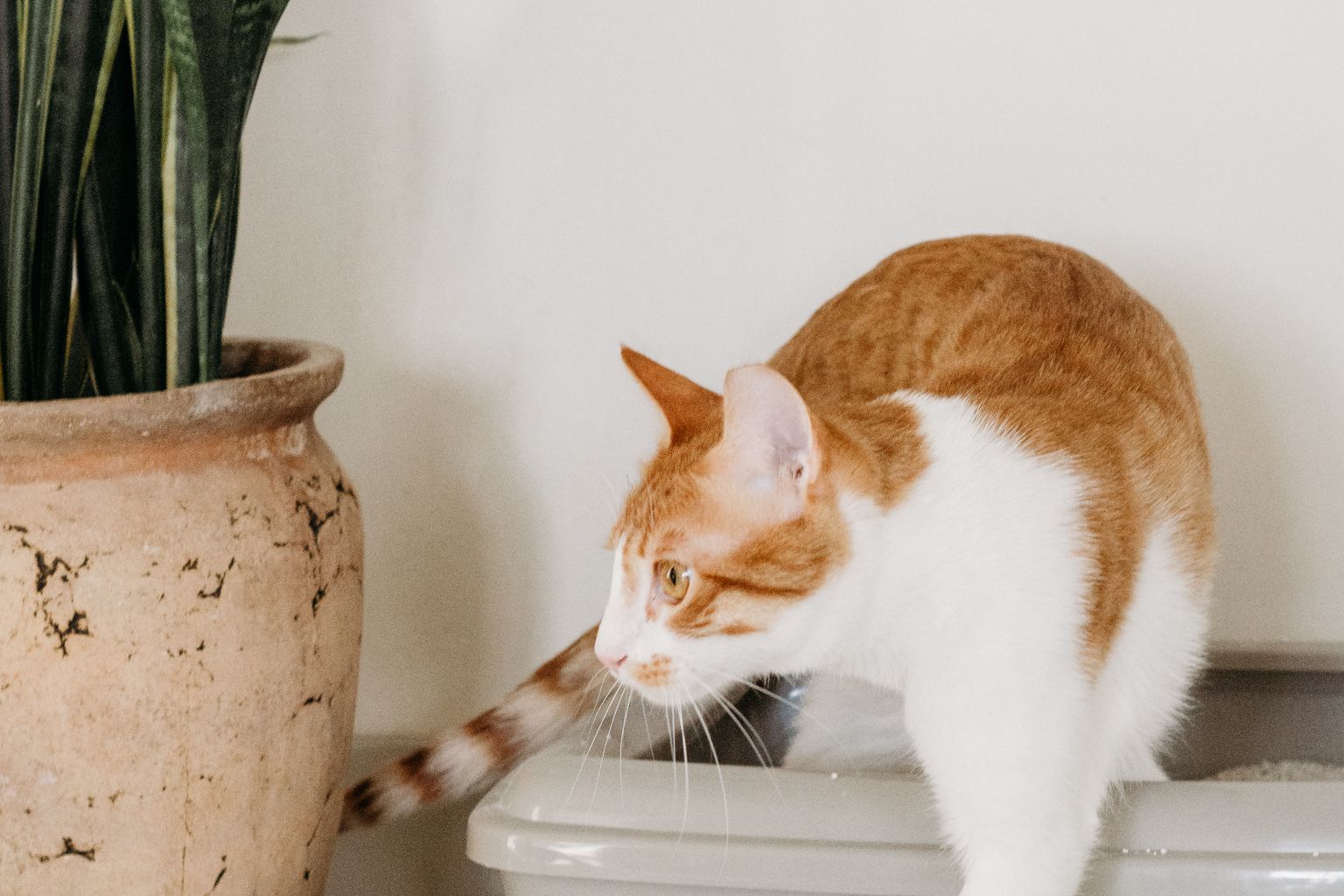
If you have cats, the litter box is likely your main source of smell. Scoop at least once a day, twice if you have more than one cat. Fully empty and wash the box with mild unscented soap and water every week or two, depending on the litter type. Many vets suggest one box per cat plus one extra.
The litter itself matters a lot. Clumping, unscented litter usually controls odor better than heavily perfumed options, which many cats dislike. Our breakdown of the best cat litter for odor control compares the main types. Replace plastic boxes once they’re deeply scratched, since the grooves trap bacteria.
How do you keep your house from smelling like a dog long term?
Turn cleanup into small habits so odor never builds up.
| How often | What to do |
|---|---|
| Daily | Scoop litter, wipe up accidents right away, wash bowls, open windows briefly |
| 2 to 3 times a week | Vacuum carpets and furniture, brush your pet |
| Weekly | Wash pet bedding and throws, mop hard floors, baking soda on rugs |
| Monthly | Wash curtains or cushion covers, clean collars and leashes, check HVAC filter |
| Every few months | Deep clean carpets (only after urine spots are fully treated) |
A purifier with a true HEPA filter and an activated carbon layer is worth having where your pet spends most of its time: HEPA catches dander, carbon absorbs odor. Change your HVAC filter every one to three months as well, more often with multiple pets.
When is pet odor a sign of a health problem?
If your home is clean but your pet still smells strong, the problem may be your pet. A yeasty smell from the ears, bad breath, a fishy smell from the rear end, or a greasy coat with a sour odor can point to ear infections, dental disease, anal gland problems, or skin conditions. Book a vet visit before you buy another cleaner.
Conclusion
Removing pet odor from your house for good comes down to treating the source rather than the air. Find every spot with your nose and a black light, use an enzyme cleaner on anything your pet left behind, and give it time to work. Then keep things fresh with weekly bedding washes, regular grooming, a well-kept litter box, and good airflow. Skip the masking sprays. For more practical pet care guides, browse the latest posts on Pet Products Guide.
Frequently Asked Questions
What is the fastest way to get rid of dog smell in the house?
Open windows for cross-ventilation, sprinkle baking soda on carpets and the couch for 30 minutes, then vacuum. Wash your dog’s bedding the same day. Urine spots will still need an enzyme cleaner.
Does vinegar get rid of pet urine smell?
It can reduce light odor, but it doesn’t break down uric acid the way an enzyme cleaner does, so the smell often returns when the air gets humid. Use an enzyme cleaner for urine and keep vinegar for general cleaning.
Will pet urine smell ever go away on its own?
Rarely. Uric acid crystals stay in carpet pads and wood and release odor again whenever humidity rises. The smell usually fades only after the urine is broken down with an enzyme cleaner or the affected material is replaced.
Are plug-in air fresheners safe for pets?
Many contain fragrances or essential oils that can irritate pets, especially cats and birds, and they only cover odor. Removing the source and running a HEPA and carbon purifier works better.
