

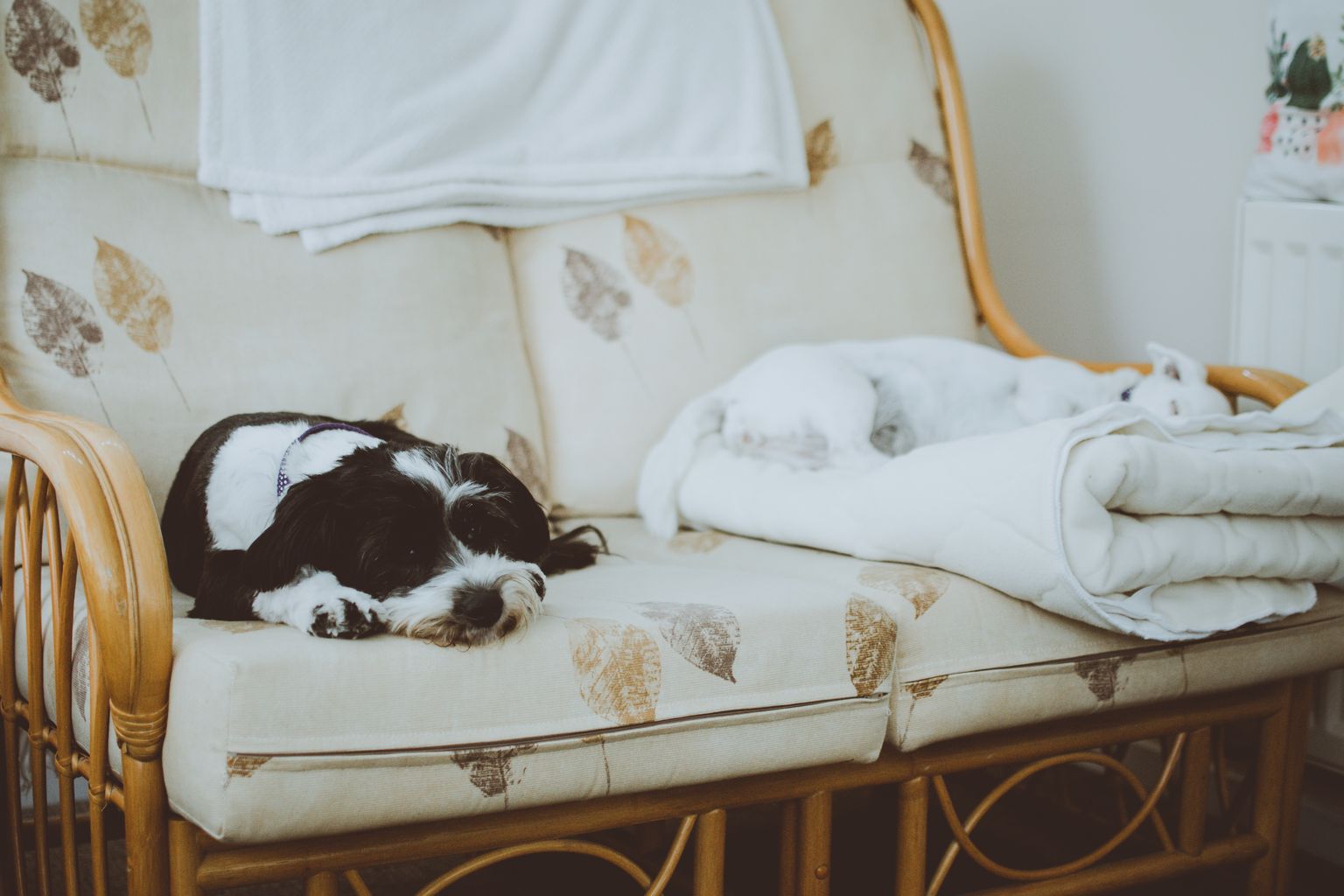
Most of the work in learning how to create a pet-friendly home comes down to one habit: looking at every room from about knee height. Down there you see what your dog or cat sees, like the phone charger hanging off the side table, the lily on the windowsill, the open bin under the sink and the warm gap behind the dryer. Clear those hazards first, then choose floors, fabrics and storage that can handle fur, claws and the odd accident, and give your pet a couple of spots that belong only to them. Below, we go through the house room by room, from the front door to the back fence, with the swaps that make a real difference and the ones you can safely skip.
What does a pet-friendly home need?
A pet-friendly home is one where your animal can move around without getting hurt and you can live with the wear and tear without losing your mind. That sounds obvious, but the two goals pull in different directions. A spotless white linen sofa is lovely until a Labrador climbs on it. A bare, wipe-down house is easy to clean but leaves an anxious dog with nowhere to settle.
The balance most owners land on looks like this: remove anything that can poison, strangle or burn, then upgrade the surfaces your pet uses most. You don’t need to redo the whole house. A washable rug in the hallway and a lid on the kitchen bin will do more than a new designer dog bed.
How to create a pet-friendly home: start with a safety sweep
Before you buy anything, get down on the floor in each room and look around for a minute. Better still, hold your phone at your pet’s eye level and take a slow video. You’ll spot things you walk past every day: dangling cords, a basket of hair ties, a dropped pill under the nightstand, the gap behind the fridge a kitten could squeeze into.
Puppies and kittens need the strictest version of this sweep because they test everything with their mouths. An adult cat that has never chewed a cable doesn’t need every wire boxed in, but it will still knock a glass of water off the counter just to watch it fall. Plan around the pet you have, not a worst-case one.
How to make your entryway pet-friendly
The front door is where most of the mess comes in and where escape attempts happen, so it deserves more thought than it usually gets.
Set up a paw-wiping station
Keep a washable, absorbent mat inside the door and a towel or paw-cleaning cup on a hook right beside it. Wiping four paws takes thirty seconds and saves you from mopping the hallway every rainy evening. A muddy walk doesn’t always mean a full bath, either. A quick paw and belly wipe is often enough between washes.
Give leashes and gear a fixed home
A row of hooks for leashes and harnesses, plus a small basket for poop bags and treats, stops the morning hunt for the lead. It also keeps chewable straps off the floor. If your dog tends to bolt when the door opens, teach a sit-and-wait at the threshold, or put a baby gate between the hallway and the front door so there are always two barriers.
Pet-friendly living room ideas
The living room is where your pet spends most of its awake time, and it’s where fabric choices matter most.
Choose a pet-friendly couch and fabrics
Tightly woven fabrics are the best pet-friendly furniture choice because claws slide off instead of hooking in. Microfiber, canvas and performance fabrics (the stain-resistant synthetics sold for family homes) all hold up well and let fur brush off easily. Leather wipes clean and doesn’t trap hair, though cat claws will leave marks, so a distressed or aniline finish hides them better than glossy leather. Avoid loose weaves, boucle and anything with loops, which snag the first time a cat kneads on them.
Color helps more than people expect. Pick a sofa or throw close to your pet’s coat color and the hair between vacuums mostly disappears. A washable throw blanket on your pet’s favorite seat is the cheapest upgrade in this whole guide.
Pick pet-friendly rugs you can wash
Low-pile and flat-weave rugs are the easiest to keep clean. Machine-washable rugs and indoor-outdoor polypropylene rugs handle accidents far better than wool shag, which holds onto both hair and smells. Use a non-slip rug pad underneath so your dog doesn’t skid across the room mid-zoomie.
Hide cords and secure the small stuff
Run cables behind furniture or through cord covers, and unplug chargers you’re not using. Bitter-tasting sprays help with persistent chewers, but redirecting the urge works better long term, so keep a few of the best dog toys for chewers in each room your dog spends time in. Tie up blind and curtain cords, which are a strangling risk for cats and small dogs, and keep coins, batteries and kids’ toy parts off low shelves.
Give cats some height
Cats feel safer when they can watch the room from above. A cat tree near a window or a sturdy window perch gives them a lookout and often stops them climbing the bookshelves. If you have a dog and a cat, vertical space also gives the cat an easy escape route. Indoor cats burn less energy than outdoor ones, so climbing and play matter even more for them.
How to pet-proof your kitchen
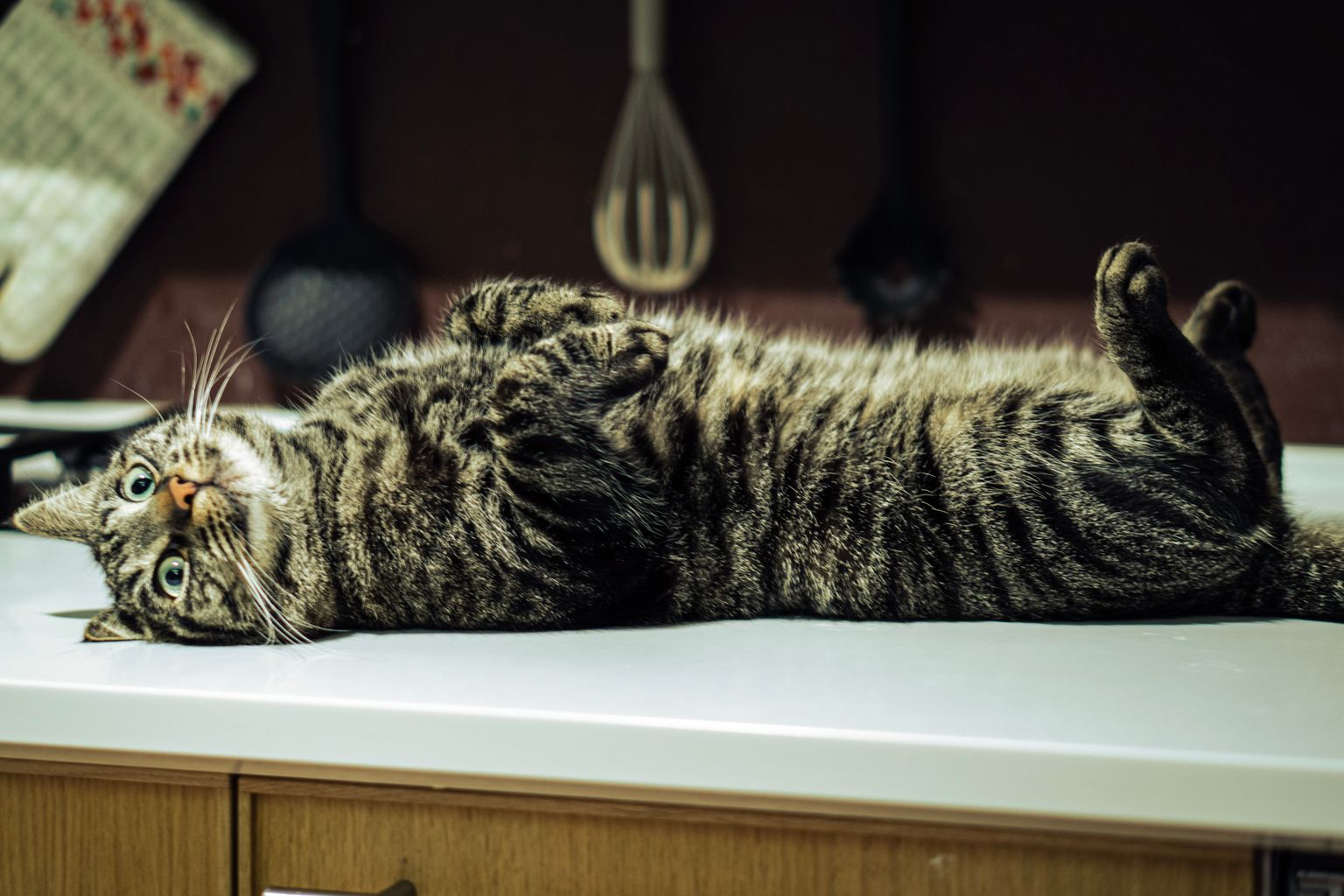
Kitchens hold the most concentrated mix of food, heat and chemicals in the house, so pet-proofing your home should always start here if your time is short.
- Use a bin with a locking or step-open lid, or keep it inside a cabinet.
- Fit child-safety latches on low cabinets, especially the one under the sink where cleaning products live.
- Push food back from counter edges and never leave cooling food unattended if you have a counter-surfing dog.
- Fit stove knob covers if your cat jumps onto the cooktop, and keep the hob clear when you’re not cooking.
Foods to keep out of reach
Several everyday foods are toxic to dogs and cats. The ones that cause the most trouble are chocolate, grapes and raisins, onions and garlic (including powders), alcohol, and xylitol, a sweetener found in sugar-free gum, some peanut butters and baked goods. Keep handbags off the floor, since gum and medication often hide in them. If you think your pet has eaten something toxic, call your vet or the ASPCA Animal Poison Control Center at (888) 426-4435 straight away rather than waiting for symptoms.
Give your pet its own feeding zone
Put food and water bowls in a quiet corner out of the main walkway, on a washable mat. Store kibble in an airtight container with a secure lid. It keeps the food fresher and stops a determined dog from tearing into the bag.
Bathroom and laundry room hazards
These two rooms look harmless but cause a surprising number of vet visits. Human medications are one of the most common reasons owners call poison control, so keep pills in a closed cabinet and never leave them on the counter or nightstand. Close the toilet lid, especially if you use in-bowl cleaning tablets, and keep razors, cotton swabs and dental floss in a covered bin.
In the laundry room, store detergent pods high up, since they look like toys and burst on contact with a mouth. Always check the dryer and washer before you start them; cats love warm, enclosed spaces. If the litter box lives in here, place it away from noisy machines so your cat isn’t startled mid-use, and pick a litter that controls odor well since small rooms trap smells quickly. A common rule of thumb is one box per cat, plus one extra.
Creating a calm pet-friendly bedroom
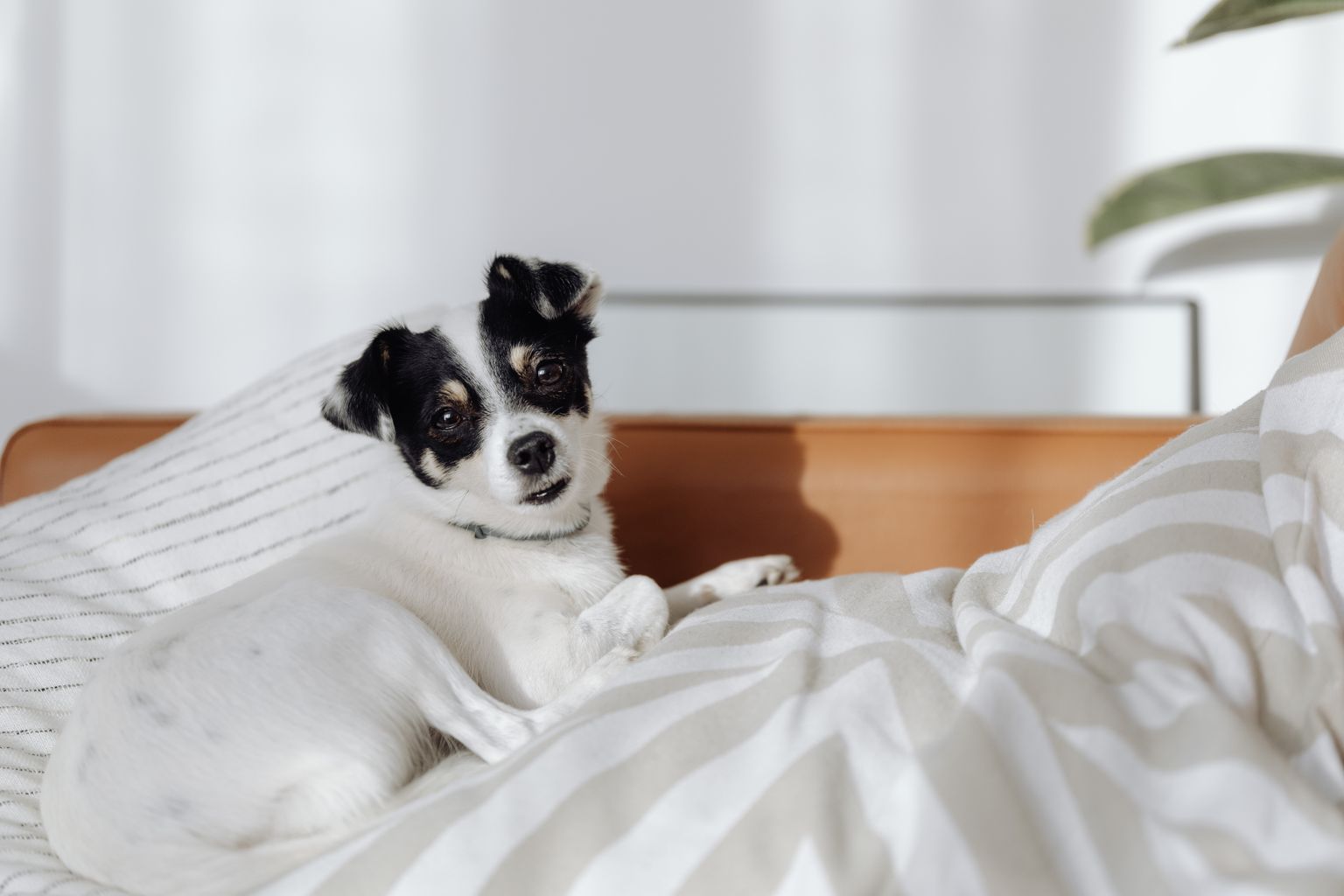
Whether your pet sleeps on your bed or not, it helps to have a bed of its own in the bedroom or close by. Put it away from drafts and heating vents, ideally against a wall where your pet can see the door. Crate-trained dogs often treat the crate as a den, so leaving the door open with a soft bed inside gives them a safe retreat.
Washable bedding is non-negotiable. Choose a dog or cat bed with a removable, machine-washable cover, and if your pet joins you at night, add a washable throw over your duvet. Check your nightstand too. Hair ties, earplugs and medications all end up there, and cats in particular will swallow string-like items, which can cause serious intestinal blockages.
What is the best pet-friendly flooring?
If you’re renovating or replacing floors, this is where you can make the biggest long-term difference. The best pet-friendly flooring resists scratches and water, cleans easily, and still gives paws some grip. Here’s how the common options compare.
| Flooring | Scratch resistance | Accident resistance | Paw grip | Good to know |
|---|---|---|---|---|
| Luxury vinyl plank | High | Waterproof | Good | Usually the best all-round choice for pet owners |
| Porcelain or ceramic tile | Very high | Waterproof | Low (slippery) | Add rugs for older dogs; grout needs sealing |
| Laminate | High | Low to medium | Low | Standing urine can swell the boards; choose water-resistant lines |
| Hardwood | Medium | Low | Medium | Harder species like hickory and maple show fewer marks |
| Cork | Medium | Medium | High | Warm and quiet; needs resealing over time |
| Carpet | N/A | Low | High | Holds hair and odors; pick low-pile, stain-resistant options |
Whatever you choose, keeping nails short protects the floor and your pet’s joints. If you’ve been putting it off, our guide on how to trim dog nails walks through it step by step. For senior dogs on smooth floors, runner rugs along their usual routes cut down on slips.
Which plants are pet-friendly, and which aren’t?
Plenty of popular houseplants are toxic to cats and dogs, so check before you buy. Lilies are the big one for cat owners: true lilies and daylilies can cause kidney failure in cats, and even pollen or water from the vase is dangerous. Sago palms are highly toxic to dogs. The ASPCA’s toxic and non-toxic plant database is the most reliable place to check any plant by name.
| Pet-friendly plants (non-toxic) | Plants to avoid |
|---|---|
| Spider plant | Lilies (true lilies and daylilies) |
| Boston fern | Sago palm |
| Calathea (prayer plant) | Pothos and philodendron |
| Parlor palm and areca palm | Aloe vera |
| African violet | Snake plant and monstera |
If you love a plant that isn’t pet-safe, hanging planters and closed glass terrariums keep it in the house without putting it in reach.
Choosing pet-friendly cleaning products
You’ll clean more with pets in the house, so it’s worth choosing products that are safe to use around them. For urine and vomit, use an enzymatic cleaner. It breaks down the compounds that cause odor, which matters because pets tend to re-mark spots that still smell like urine to them. Skip ammonia-based cleaners on accidents for the same reason.
Pet-friendly cleaning products don’t need to be fancy. Mild dish soap, diluted white vinegar and plain water handle most daily cleaning. Be careful with strong disinfectants, cleaners containing phenols (some pine oil products) and essential oil diffusers, since several oils, tea tree among them, are toxic to cats and dogs. Let floors dry fully before your pet walks on them, and keep pets out of the room while you clean.
How to make your backyard pet-friendly
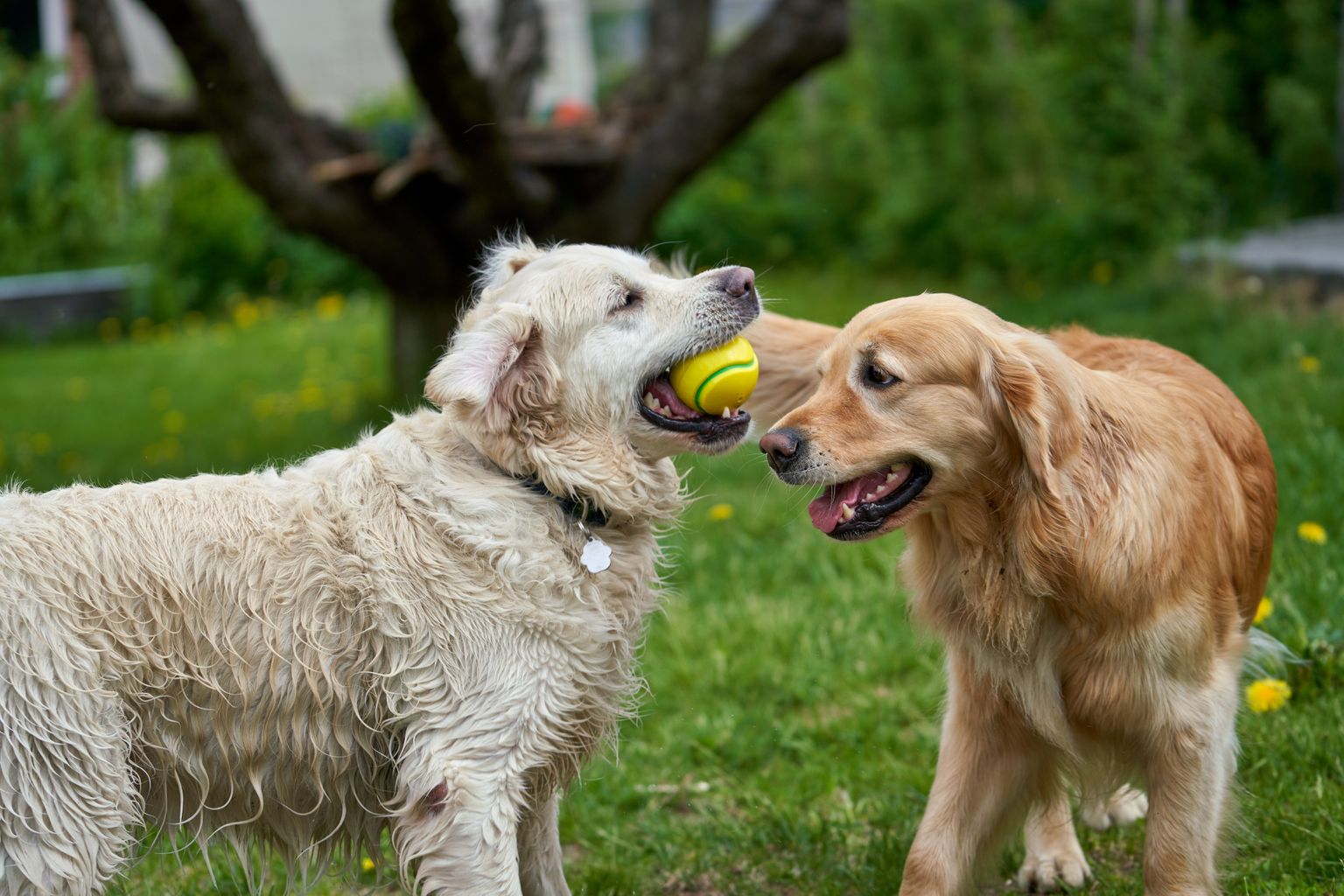
A safe yard starts with the fence. Walk the full boundary and look for gaps, loose boards and low spots a dog could dig under. Diggers may need a strip of buried wire or paving along the base, and jumpers need a taller fence than you’d think.
- Provide shade and a fresh water bowl that won’t tip over, especially in summer.
- Avoid cocoa bean mulch, which contains the same compounds that make chocolate toxic to dogs.
- Store fertilizers, slug pellets and weed killers in a locked shed, and keep pets off treated lawns until the label says it’s safe.
- Fence or cover pools and ponds, and make sure there’s an easy way out if your pet falls in.
- Wipe up antifreeze spills in the garage right away. It tastes sweet to pets and is extremely toxic.
Quick room-by-room checklist
| Room | Biggest risk | Quick fix |
|---|---|---|
| Entryway | Escapes and mud | Paw mat, leash hooks, a gate before the front door |
| Living room | Cords, small objects, fabric damage | Cord covers, washable throws, chew toys, cat tree |
| Kitchen | Toxic food and open bins | Lidded bin, cabinet latches, clear counters |
| Bathroom | Medications and toilet chemicals | Closed cabinets, lid down, covered trash |
| Laundry room | Detergent pods and dryers | Store pods high, check machines before use |
| Bedroom | Hair ties, pills, drafts | Clear nightstand, washable pet bed away from vents |
| Backyard | Gaps, chemicals, heat | Check the fence, lock up garden products, add shade |
Conclusion
Knowing how to create a pet-friendly home means making a series of small, specific fixes, one room at a time, instead of one big makeover. Do the knee-height sweep, lock down the kitchen and bathroom, and swap the surfaces your pet uses most for ones you can wash or wipe. After that, add comfort: a bed in a quiet spot, a perch for the cat, a few toys in every room. Your pet gets a safer, calmer place to live, and you spend less time cleaning up after them. For more practical guides on food, grooming and gear, browse the rest of Pet Products Guide.
Frequently Asked Questions
Q1: What makes a home pet-friendly?
A pet-friendly home has no easy access to toxic foods, plants, medications or chemicals, keeps cords and small objects out of reach, and uses floors and fabrics that are easy to clean. It also gives your pet a comfortable bed, a quiet place to retreat and, for cats, some vertical space.
Q2: What is the most pet-friendly flooring?
Luxury vinyl plank is usually the best choice for pet owners because it is waterproof, scratch-resistant and offers reasonable grip. Porcelain tile is even tougher but can be slippery, so add rugs for older dogs.
Q3: Which houseplants are safe for cats and dogs?
Spider plants, Boston ferns, calatheas, parlor palms, areca palms and African violets are listed as non-toxic by the ASPCA. Avoid lilies, sago palms, pothos, philodendron and aloe vera, and check any new plant in the ASPCA database before bringing it home.
Q4: How do I pet-proof my home for a new puppy or kitten?
Get down to their eye level in every room and remove anything they could chew or swallow. Cover or hide cords, latch low cabinets, close the toilet lid, keep bins lidded and block gaps behind appliances. Use baby gates to limit them to a few safe rooms at first.
Q5: What couch fabric is best for pets?
Tightly woven fabrics such as microfiber, canvas and performance fabrics resist claws and let hair brush off easily. Leather is easy to wipe but shows cat scratches. Avoid loose weaves, boucle and looped fabrics, which snag.
Q6: Are pet-friendly cleaning products necessary?
You don’t need special products for everything, but avoid harsh chemicals, phenol-based cleaners and strong essential oils around pets. Use an enzymatic cleaner for urine and vomit, and mild soap and water for everyday cleaning. Let surfaces dry before pets walk on them.
