

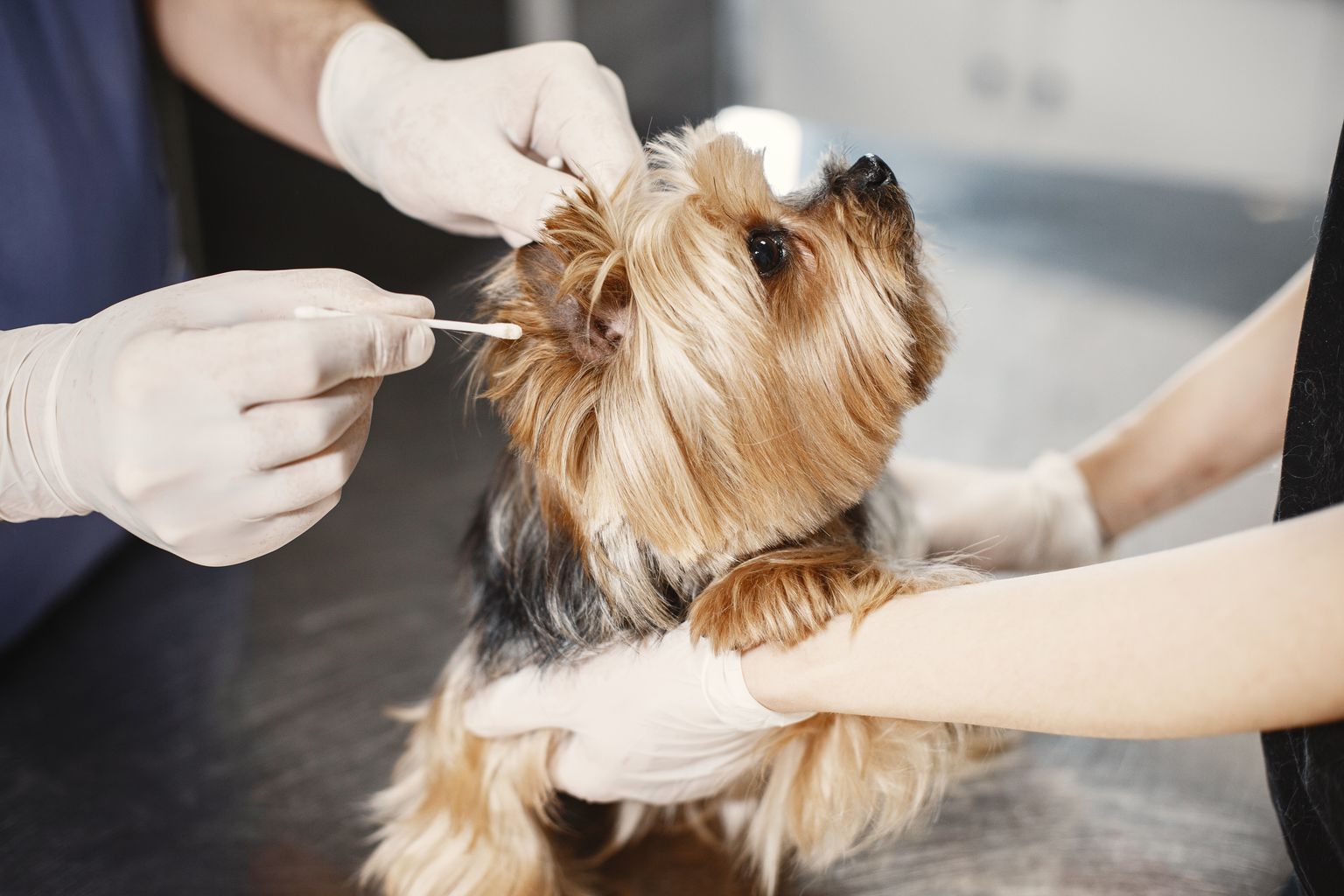
You can clean your dog’s ears at home in about five minutes: fill the ear canal with a vet-approved cleaner, massage the base of the ear, let your dog shake, then wipe out the loosened gunk with a cotton ball. If you’re wondering how to clean dog ears at home, that’s the whole routine.
The details matter, though. Pushing a cotton swab down the canal, reaching for hydrogen peroxide, or scrubbing ears that are already sore can turn a simple grooming job into a vet bill. Below are the five steps, what to use (and what to keep away from your dog’s ears), how often to do it, and the signs that tell you to skip the cleaning and call your vet instead.
What Is Needed Before Getting Started?
Keep everything within arm’s reach before you call your dog over, because stopping halfway to find cotton balls is how a calm dog turns wriggly. The one item you can’t skip is a vet-approved dog ear cleaner. It breaks down wax and loosens debris without irritating the thin skin lining the canal. You’ll also need cotton balls, pads or gauze squares to wipe out loosened wax and extra cleaner. Real cotton works better than synthetic.
Keep a towel nearby, since your dog will shake and the cleaner will fly. Have good treats ready. Rewarding your dog before, during and after makes the next session easier for both of you. If your dog won’t sit still or isn’t used to ear handling, a second person to hold and reassure it helps.
What should you use to clean your dog’s ears?
The right tool is a dog ear cleaning solution that your vet recommends or that’s made specifically for dogs. These cleaners are formulated to break down wax and help dry the canal, and many contain mild acids such as salicylic acid or lactic acid. Pick one without alcohol, which stings irritated skin.
Here’s the full kit:
- Dog ear cleaner (vet-recommended, alcohol-free)
- Cotton balls, cotton pads or gauze squares. Real cotton is better than synthetic.
- A towel, because your dog will shake and the cleaner will fly
- Treats, and plenty of them
- A helper if your dog is wiggly or new to having its ears handled
What should you never put in your dog’s ears?
Skip these, even if a forum post swears by them:
- Cotton swabs (Q-tips). They push wax and debris deeper into the canal and can injure the ear if your dog jerks its head. Both Cornell’s veterinary college and the MSD Veterinary Manual say not to use them.
- Hydrogen peroxide. It foams and fizzes, which looks like it’s working, but it irritates the delicate skin in the canal and can leave moisture behind.
- Rubbing alcohol or alcohol-based products. They burn on inflamed skin.
- Vinegar mixes and other home remedies. The MSD Veterinary Manual warns that irritating home remedies like vinegar can make swelling and discharge worse.
- Human ear drops or wax removers, unless your vet has okayed them.
How to clean dog ears: a step-by-step guide
Do this somewhere easy to wipe down, like the bathroom or outside, and pick a time when your dog is already calm (after a walk works well). Here’s how to clean dog ears safely in five steps.
- 1
Step 1: Get your dog settled and look inside the ear
Sit your dog beside you or have your helper hold them gently against their body. Give a treat, lift the ear flap, and look inside. You’re checking for anything that means you should stop: redness, swelling, a bad smell, dark or pus-like discharge, or a dog who yelps or pulls away the moment you touch the ear. If you see any of that, don’t clean. Book a vet visit instead (more on why below).
- 2
Step 2: Fill the ear canal with cleaner
Hold the ear flap up so the canal opening points toward the ceiling. Squeeze enough cleaner in to fill the canal. It’s usually more than people expect. Put the bottle tip at the opening, not jammed down inside the ear, and don’t squirt it in with force. Cornell’s guidance is clear that forcing liquid in can damage the eardrum. If your dog won’t tolerate liquid going in, soak a cotton ball in a cleaner and squeeze it out at the opening instead.
- 3
Step 3: Massage the base of the ear for 20 to 30 seconds
Keep holding the flap and use your other hand to massage the base of the ear, just below the opening, for about 20 to 30 seconds. You should hear a squishy, squelching sound. That’s the cleaner moving around and loosening wax lower down the canal, where you can’t reach anyway. Plenty of dogs lean into this part.
- 4
Step 4: Let your dog shake it out
Let go and step back (or hold up the towel). Your dog will shake its head hard, and that shake is what brings the loosened wax and cleaner up from the bend in the canal to the outer ear where you can wipe it away. Don’t fight it. It’s doing half the work for you.
- 5
Step 5: Wipe out the debris and reward your dog
Wrap a cotton ball or gauze square around your finger and wipe the inside of the ear flap and the opening of the canal. Only go as deep as your finger comfortably fits, roughly one knuckle, and wipe outward. Swap to a fresh piece of cotton each time and repeat until it comes away mostly clean. Then give a good treat, take a short break, and do the other ear with clean cotton.
If your dog is nervous about the whole thing, split it up. Do one ear today and one tomorrow, and reward lots. Handling ears and paws gets easier with practice, the same way it does when you trim your dog’s nails little and often.
How often should you clean your dog’s ears?
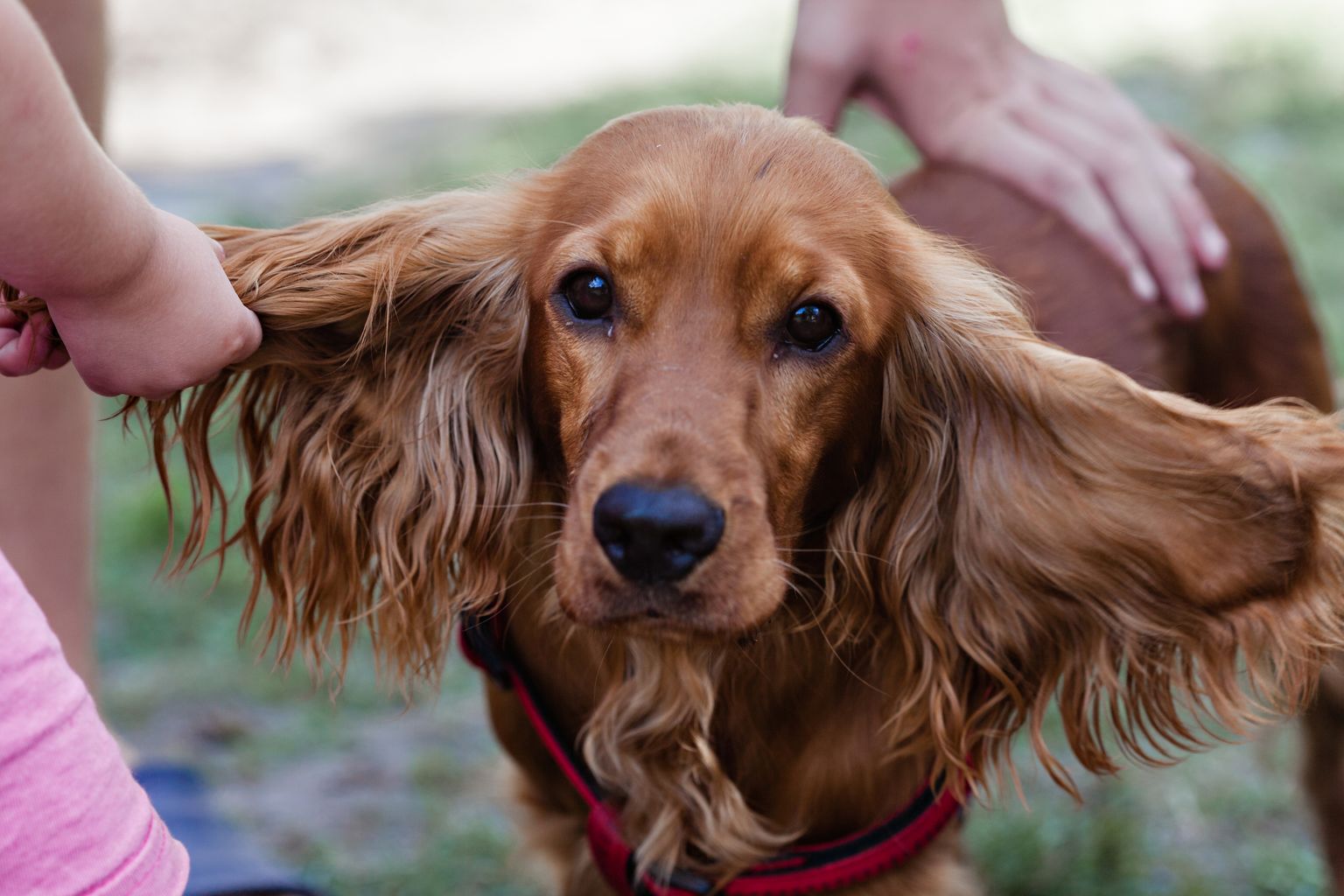
There’s no single schedule that fits every dog, and vets give slightly different numbers. A practical rule: check your dog’s ears once a week, and clean them only when you can see wax or dirt building up. For many dogs that works out to about once a month. Cornell suggests every one to two weeks for maintenance in dogs that need it, and notes that dogs with healthy ears often only need cleaning when they look dirty.
Ear cleaning schedule by dog type
| Your dog | How often to clean | Why |
|---|---|---|
| Healthy ears, upright or short-haired | Only when you see wax or dirt (about once a month) | Healthy ears mostly clean themselves, and over-cleaning can irritate the skin |
| Floppy or heavily furred ears (Cocker Spaniels, Basset Hounds, Labradors, Poodles) | Every 1 to 2 weeks | The ear flap blocks airflow into the canal |
| Swims or gets baths often | After every swim or bath | Water trapped in the L-shaped canal invites yeast and bacteria |
| Allergies or a history of ear infections | As your vet advises | Your vet may give you a specific routine and a medicated cleaner |
And clean less if the ears look fine. Over-cleaning healthy ears can irritate the skin and upset the natural balance of the canal, which is the opposite of what you want. If you’re working out how often you should bathe your dog, add a quick ear wipe after every bath.
How do you clean dog ears without a cleaning solution?
If you’ve run out of cleaner, the safest move is to wait until you can get some. In the meantime you can wipe the visible part of the ear flap with a cotton ball lightly dampened with plain saline, but don’t flood the canal with water or anything homemade. Water sitting in that L-shaped canal is part of what causes infections in the first place.
Are homemade dog ear cleaners safe?
Homemade dog ear cleaner recipes online usually involve vinegar, peroxide, alcohol, witch hazel or oils. The MSD Veterinary Manual specifically warns against vinegar mixtures, and most vets recommend skipping the DIY route entirely. A bottle of proper dog ear cleaner is inexpensive and lasts months.
When should you see a vet instead of cleaning your dog’s ears?
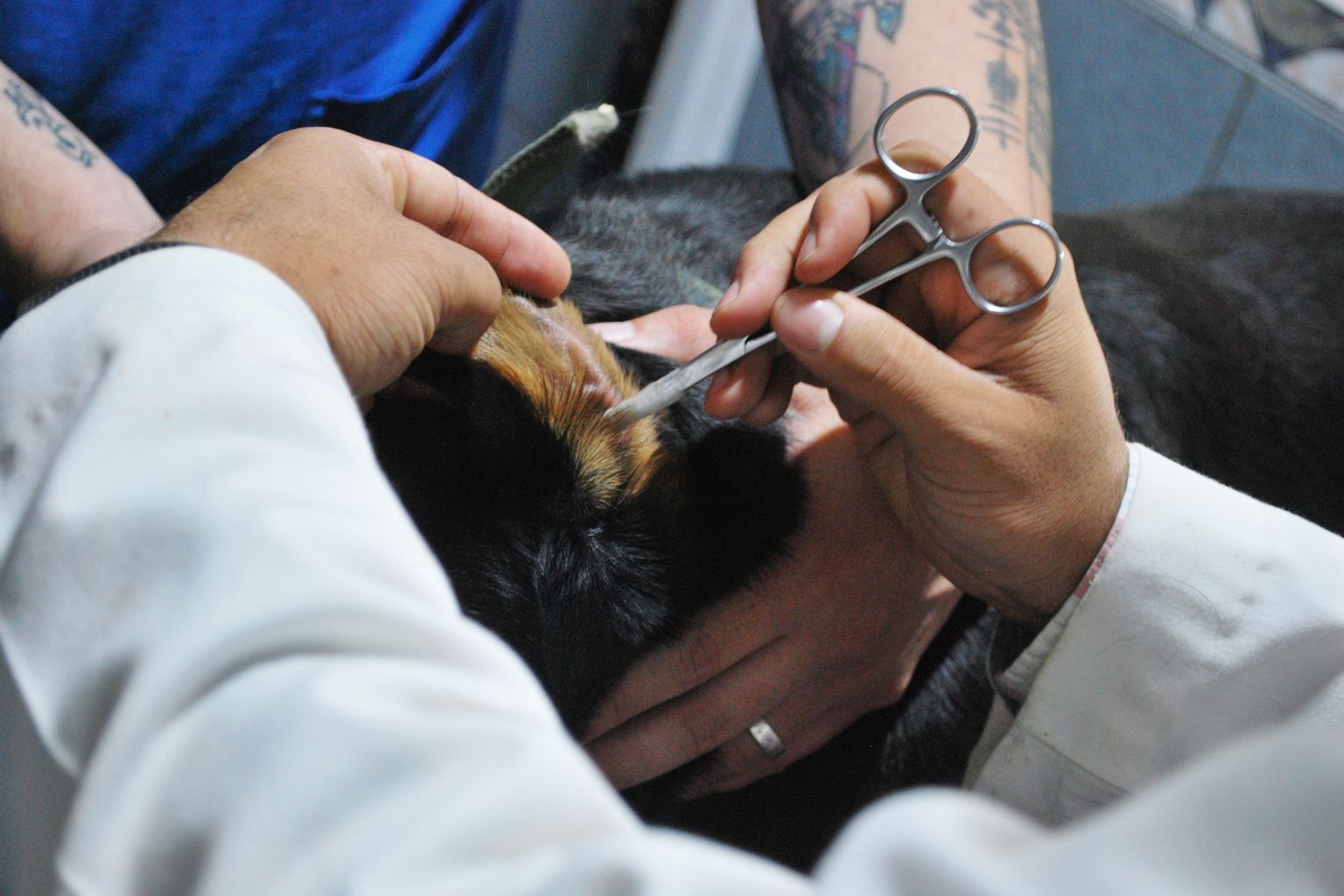
Cleaning is maintenance, not treatment. If your dog’s ear looks or smells wrong, cleaning it at home can hide the problem, hurt your dog, or even make things worse if the eardrum is damaged. Call your vet if you notice:
- A strong, yeasty or foul smell
- Dark brown, black, yellow or green discharge
- Redness, swelling or scaly skin inside the ear
- Constant head shaking, scratching or rubbing the ear on the floor
- Pain when you touch the ear, or a head tilt
- Symptoms that come back within days of a cleaning
What causes ear infections in dogs?
Ear problems like these are usually signs of otitis externa (inflammation of the outer ear canal), which can be caused by allergies, yeast, bacteria, ear mites or something stuck in the ear like a grass seed. Each cause needs a different treatment, and your vet can look at a swab under the microscope to tell which one it is. If your dog is put on ear medication, follow your vet’s instructions on whether to clean, since a very sore ear may need a few days of treatment before cleaning is comfortable.
What are the best dog ear cleaning tips for easier sessions?
A few small habits make ear cleaning far less of a wrestling match:
- Start young. Touch and lift your puppy’s ears during cuddles, even when you aren’t cleaning, so handling feels normal.
- Warm the bottle. Hold the cleaner in your hands for a minute. Cold liquid in the ear is a shock.
- Treat before, during and after. A lick mat smeared with something tasty keeps many dogs busy for the whole job.
- Stop while it’s still going well. Ending on a calm note matters more than getting every last bit of wax out.
- Keep the ear hair in check. If your dog has a lot of hair growing in the ear canal, ask your groomer or vet whether it should be trimmed. Don’t pluck it yourself without guidance.
Conclusion
Learning how to clean dog ears comes down to a short, gentle routine: check the ear, fill it with a vet-approved cleaner, massage the base, let your dog shake, and wipe out only what you can see. Go slowly, keep treats close, and stop if your dog seems stressed. Leave out the cotton swabs, peroxide, alcohol and vinegar, check ears weekly, and clean when there’s visible wax or after swimming.
Dogs with floppy ears or allergies may need it more often. If you spot redness, a bad smell, dark discharge or pain, that’s a job for your vet, not your cotton balls. Ear care fits neatly alongside bathing and nail trims in your dog’s grooming routine, and you’ll find more practical dog care guides like this one on Pet Products Guide.
Frequently Asked Questions
Can I use hydrogen peroxide to clean my dog’s ears?
No. Hydrogen peroxide can irritate the sensitive skin inside the ear canal and leaves moisture behind, which can encourage infection. Cornell’s veterinary college advises against cleaners containing peroxide or alcohol. Use a dog-specific ear cleaner instead.
How do you get brown gunk out of a dog’s ear?
A small amount of light brown wax is normal and comes out with a regular cleaning: fill, massage, let your dog shake, and wipe. Dark brown or black gunk, especially with a smell or itching, can point to yeast or ear mites. That needs a vet check, not just more cleaning.
Can I use baby wipes to clean my dog’s ears?
An unscented, alcohol-free wipe is fine for wiping dirt off the outer ear flap. Don’t push wipes into the ear canal, and don’t use them as a replacement for a proper ear cleaner.
Is it okay to clean my dog’s ears with water?
It’s better not to. Water doesn’t break down wax well, and it can sit in the bend of the canal and create the damp conditions that yeast and bacteria like. Use a dog ear cleaner, which is designed to help dry the canal.
Should I clean my dog’s ears if they have an infection?
Not without talking to your vet first. An infected ear is often painful, and the eardrum may be damaged, which changes which products are safe. Your vet will usually prescribe medication and tell you when and how to clean during treatment.
How far down should I clean my dog’s ears?
Only as far as your finger reaches comfortably, about one knuckle deep. The cleaner and your dog’s head shake take care of the deeper part of the canal, so there’s no need to go further.
