

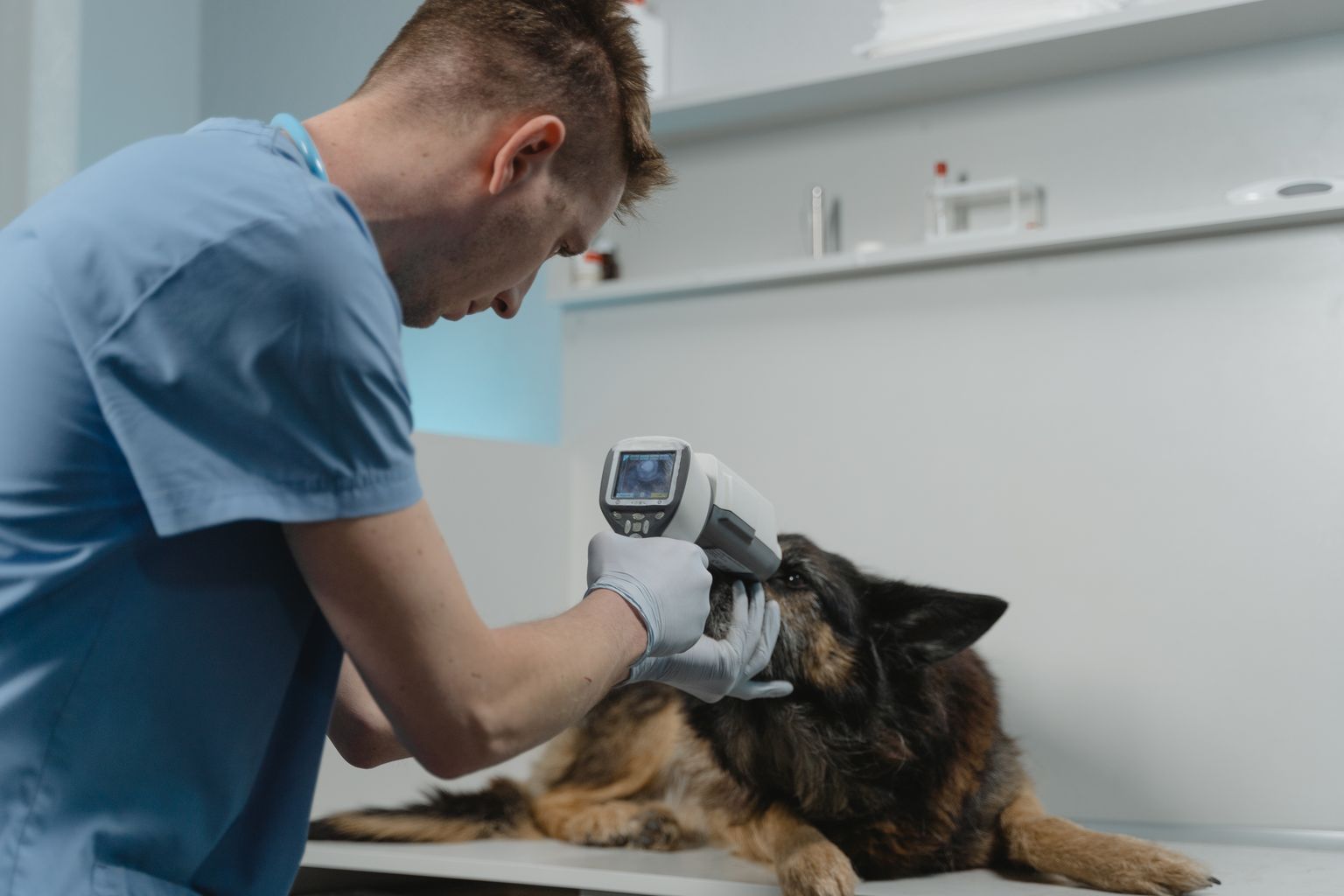
A pet microchip is a tiny identification chip, about the size of a grain of rice, that a vet places under your dog’s or cat’s skin, usually between the shoulder blades. The whole thing takes seconds and feels about like a vaccine shot. The chip holds one piece of information: a unique ID number. When a shelter or vet clinic scans a lost pet, that number leads them to a registry with your phone number on file, which is how a dog that slipped its collar three towns over ends up back home.
Pet microchipping typically costs $25 to $75 in the US, lasts your pet’s whole life, and never needs a battery. The part most owners get wrong has nothing to do with the needle. A chip with no registration, or with an old phone number attached, is close to useless, so this guide spends as much time on the paperwork as on the procedure.
Pet microchip: quick facts
| Question | Answer |
|---|---|
| Size | About the size of a grain of rice |
| Where it goes | Under the skin, usually between the shoulder blades |
| What it stores | A unique ID number only (9, 10, or 15 digits) |
| GPS tracking | No |
| Battery | None; lasts the pet’s lifetime |
| Typical US cost | $25 to $75 at a vet; less at shelters and events |
| Anesthesia needed | No |
| Registration | Separate step, done with the chip’s registry |
| Lookup tool | AAHA Universal Pet Microchip Lookup |
| Recommended check | Scan at each annual vet visit; update info yearly |
How does a pet microchip work?
The chip is a passive radio-frequency identification (RFID) device sealed in a capsule of biocompatible glass. It has no battery and no moving parts, so it sits silently under the skin until something wakes it up.
What happens when someone scans your pet
A scanner sends out a low-frequency radio signal. That signal powers the chip just long enough for it to send back its ID number, which pops up on the scanner’s screen. The number is usually 9, 10, or 15 digits long, depending on the chip type.
The person scanning still doesn’t know who you are at that point. They take the number, find out which company’s registry it belongs to, and contact that registry. The registry then reaches out to you, or passes your details along, using whatever contact information you gave them.
Chip frequencies and why 15 digits matter
US pets carry chips that run on one of three frequencies: 134.2 kHz, 125 kHz, or the less common 128 kHz. The 134.2 kHz chips follow the international ISO standard and use 15-digit numbers. According to the American Veterinary Medical Association’s microchipping FAQ, most US clinics and shelters now use universal scanners that read all three types, so an older 125 kHz chip will still get picked up at home.
If you plan to fly your dog or cat abroad, ask your vet for an ISO chip. Many countries require the 15-digit version for entry, and a European shelter’s scanner might not read anything else.
What a microchip can’t do
A lot of new owners assume the chip works like a phone’s location service. It doesn’t. A pet microchip has no GPS, no cellular connection, and no way to tell you where your pet is right now. It only helps after a stranger has found your pet and brought them somewhere with a scanner.
That gap matters for certain pets. If you have an escape-artist husky or a cat who roams, a microchip and a GPS collar tracker do different jobs, and plenty of owners use both. The chip is the backup that can’t fall off. The tracker is the tool that helps you search in real time, as long as the collar stays on and the battery lasts.
The chip also doesn’t store your pet’s medical history. Some registries let you add vet records or allergy notes to your online account, but that data lives on the registry’s servers, not inside your pet.
What are the benefits of pet microchipping?
Better odds of getting a lost pet back
The most quoted numbers come from a 2009 study published in the Journal of the American Veterinary Medical Association, which looked at more than 7,700 stray animals across 53 US shelters. Dogs without chips went home to their owners about 22% of the time. Chipped dogs went home about 52% of the time. For cats, the gap was huge: under 2% of unchipped cats were reunited, compared with roughly 38% of chipped cats.
The same study found something less flattering. Only about 58% of the chips in those shelter animals had been registered. Shelters that couldn’t reach an owner usually traced it to a missing registration or a disconnected phone number.

ID that can’t slip off
Collars break. Tags rub smooth and become unreadable. A dog who bolts during fireworks on the Fourth of July can lose a collar in a hedge within minutes. The chip stays put for life, and nobody can remove it without a vet.
Keep the collar and tags anyway. A neighbor who finds your dog can call the number on a tag in thirty seconds, while a chip requires a trip to a clinic or shelter during business hours. Think of the chip as the safety net under the tag.
Proof of ownership in a dispute
If a pet goes missing and turns up in someone else’s home, a registered chip in your name is strong evidence the animal is yours. It isn’t a legal title, and local rules vary, but shelters and courts take a registration record seriously.
Travel and housing requirements
Under current CDC rules, dogs entering or returning to the US must be microchipped. Many other countries require an ISO-compliant chip before a dog or cat can enter. Some boarding facilities, rescues, and rental communities ask for chip numbers too. Rules change, so check the USDA APHIS pet travel site before any international trip.
Smart pet gear that reads the chip
Your pet’s existing chip can also unlock devices around the house, the kind of practical gear we cover across Pet Products Guide, which brings us to microchip feeders and pet doors (more on those below).
How much does pet microchipping cost?
Most US owners pay somewhere between $25 and $75 for the chip and implant at a vet clinic. Prices vary by region and clinic, and some vets bundle the chip into a puppy or kitten package.
| Where you get it done | Typical cost range | Notes |
|---|---|---|
| Private vet clinic | $25 to $75 | Often added to a routine visit |
| Animal shelter or rescue | Often included in adoption fee | Ask for the chip number when you adopt |
| Low-cost or community chip event | $10 to $30, sometimes free | Run by shelters, humane societies, some pet stores |
| During spay or neuter surgery | Similar to clinic price | Pet is already under anesthesia, so it’s a convenient time |
| Registration | Free to about $20 one-time, or an annual plan | Varies by registry; some charge for “premium” features |
Watch the registration fee closely. Some companies offer free basic registration, while others push annual subscriptions with extras like lost-pet alerts or a vet hotline. The basic job, linking the chip number to your phone number, is the part that matters most. Paying more doesn’t make a scanner read the chip any better.
How is a microchip implanted in a dog or cat?
The procedure is simple from the owner’s side. Your vet first scans your pet to make sure no chip is already there. Then they pinch up the loose skin between the shoulder blades and insert the chip with a pre-loaded sterile needle. The needle is a bit wider than a vaccine needle, so some pets flinch or yelp, but it’s over in a second and no anesthesia is needed.
After that, the vet scans again to confirm the chip reads, and hands you the number. Write it down, take a photo of the sticker, and register it the same day.
A few practical points:
- Puppies and kittens can be chipped as young as about 8 weeks, though many vets wait for a scheduled visit or the spay/neuter appointment.
- You may see a tiny bump or a little tenderness for a day or two. Call your vet if you notice swelling, oozing, or anything that gets worse.
- Don’t buy a chip online and try to inject it yourself. Placement depth and location matter, and a badly placed chip can migrate, go undetected, or cause injury.
Is microchipping safe?
For nearly all pets, yes. The AVMA describes complications as uncommon and says the benefits far outweigh the risks for most animals.
The most common issue is migration, where the chip shifts away from the shoulder area. It’s usually harmless to the pet, but it means a quick scan over the neck might miss it. That’s why a good shelter or clinic scans the whole body.
Rarer problems include chip failure, mild hair loss, infection, or swelling at the site. You may also run across claims online that microchips cause cancer. Tumors have shown up near chips in some lab mice and rats, many of which came from strains bred to develop tumors. In dogs and cats, the AVMA notes only a very small number of reports and no established cause-and-effect link.
One more safety detail: chipped pets can still get MRIs. Tell the imaging team beforehand, since the chip can create a small blur on images of that area.
How do you register your pet’s microchip?
Registration turns the chip from a random number into a way home. Here’s the process for most owners:
- Get the chip number from your vet, shelter, or adoption paperwork.
- Find out which company made the chip (your paperwork usually says) and create an account on that registry’s site.
- Enter your pet’s details and at least two phone numbers, plus your email and address.
- Add a backup contact, such as a relative or friend who doesn’t live with you.
The US has no single national microchip database. Dozens of registries run their own records, which is why the lookup step below exists.
Then keep it current. Every time you move, change phone carriers, or rehome a pet, update the registry. A good habit is to check your record each year on August 15, which the AVMA and the American Animal Hospital Association (AAHA) promote as Check the Chip Day, and ask your vet to scan the chip at your pet’s annual checkup.
How does a pet microchip lookup work?
A pet microchip lookup is how anyone with a chip number finds out which registry holds the record. The main tool is the AAHA Universal Pet Microchip Lookup. You type in the number, and the tool lists the registries that have that chip on file.
It won’t show anyone’s name or address. That protects your privacy, and it means a finder still has to contact the registry, which then gets in touch with you.
You can use the same tool yourself in a few situations:
- You adopted an adult pet and want to know where the chip is registered so you can transfer it to your name.
- You forgot which company you signed up with years ago.
- You found a stray, a vet scanned it, and you want to help the owner get contacted faster.
If the lookup shows no registry at all, the chip was likely never registered. Contact the manufacturer listed on your paperwork, or ask your vet to help track it down.
Does a dog microchip differ from a cat microchip?
The chip itself is the same. Vets use the same sizes, frequencies, and registries for dogs and cats, and the implant spot between the shoulder blades is the same for both. A few vets now offer “mini” chips for small breeds, toy dogs, and kittens, which use a thinner needle.
The bigger difference is behavior. Indoor cats often go unchipped because owners assume they’ll never get out, yet the reunion numbers above show cats are the pets most likely to stay lost without one. An indoor cat who darts out a door has no collar habit and no street smarts, so a chip is often the only ID it carries.
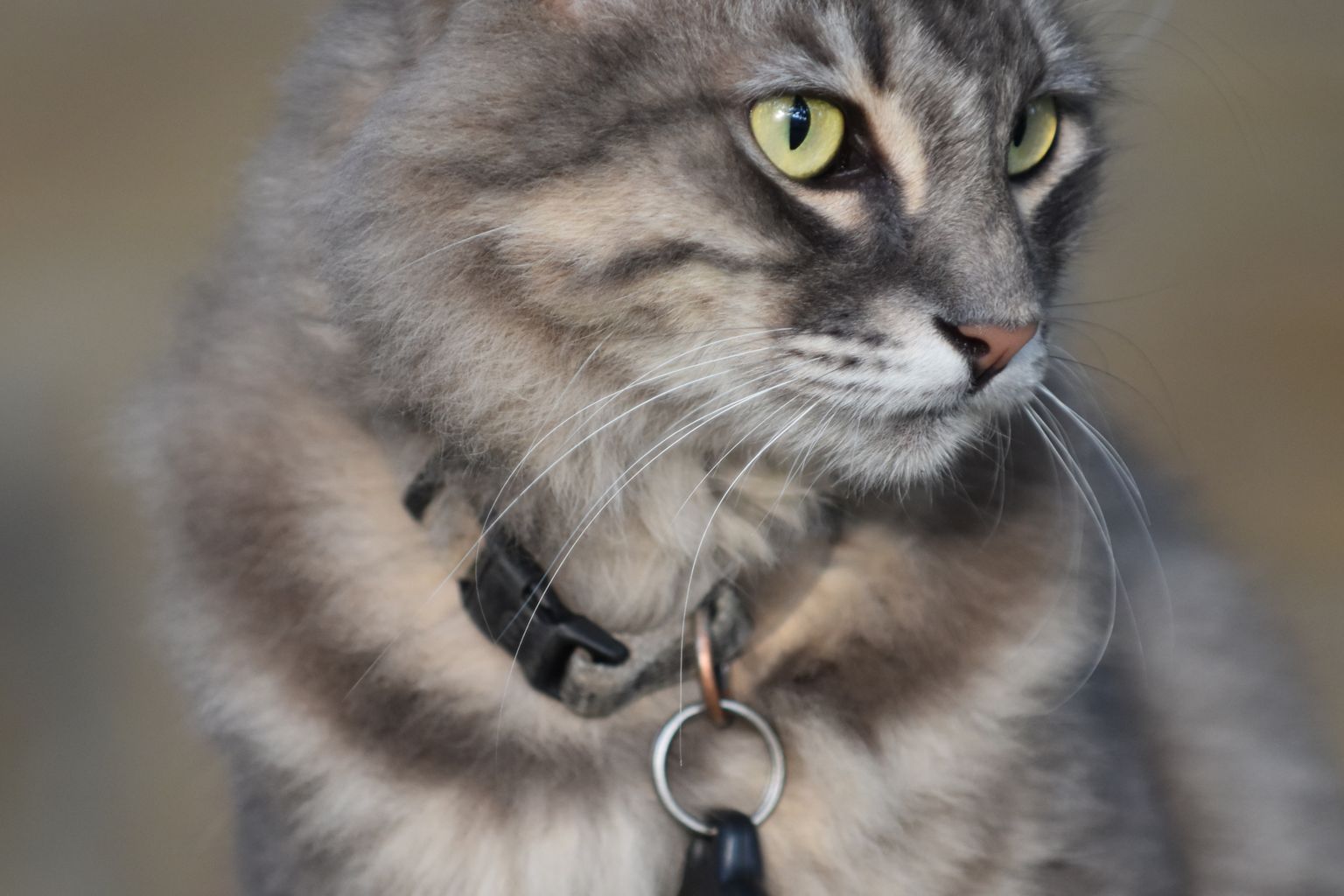
For dogs, the chip matters most for breeds and personalities prone to bolting: scent hounds, sighthounds, and dogs with noise phobias. If your dog panics at thunder, prioritize the chip and the registration before storm season, and keep a few calming treats for dogs on hand for the loudest nights.
What is a microchip pet feeder?
A microchip pet feeder is a bowl with a lid that opens only when it reads a specific pet’s chip. You program the feeder with your pet’s existing chip number, and the lid stays shut for everyone else. That makes it much easier to keep each pet on the right diet, whether that’s a senior formula or the best cat food for indoor cats.
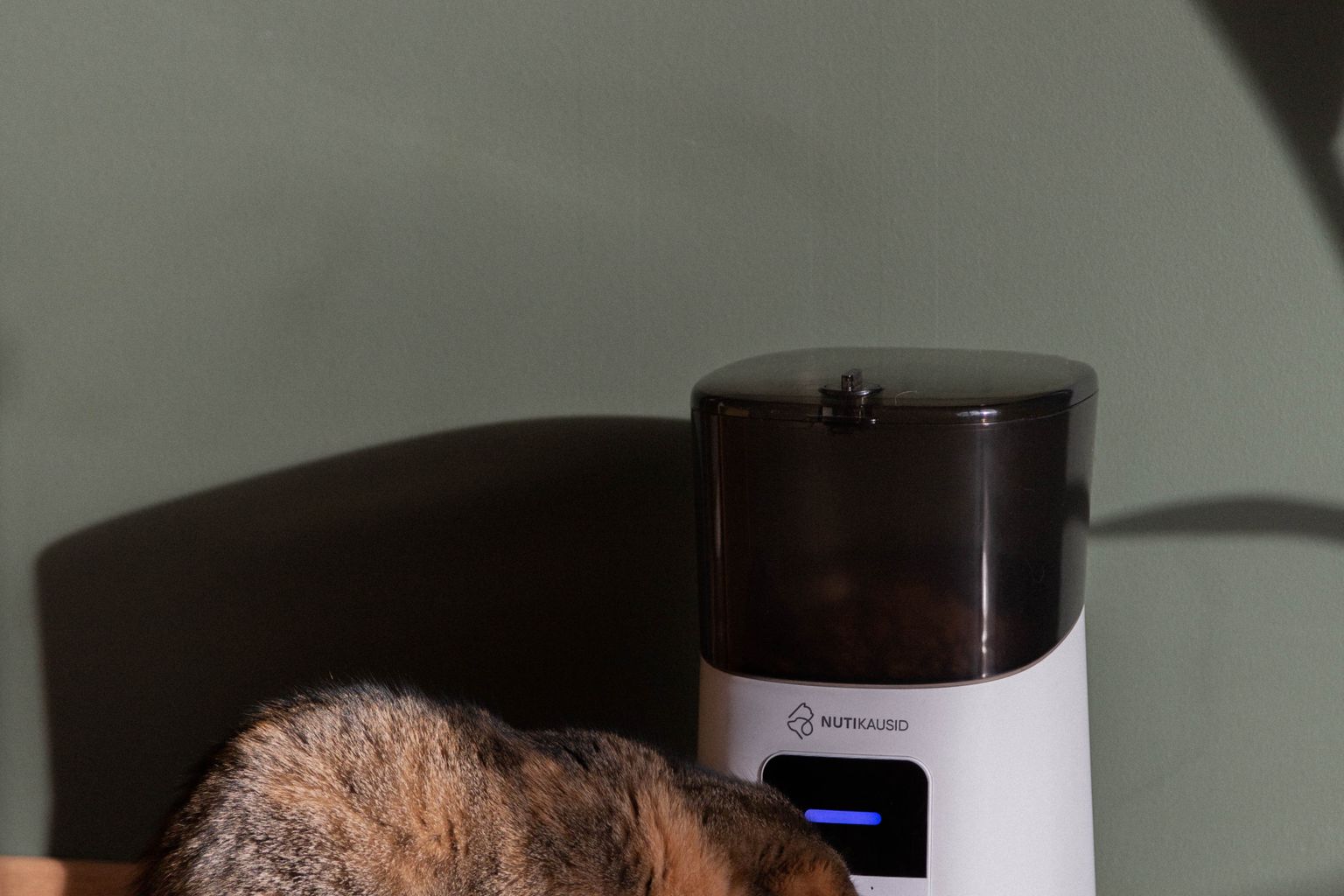
These feeders solve real problems in multi-pet homes:
- One cat is on a prescription diet and the other keeps stealing it.
- A greedy dog finishes the cat’s food before the cat gets a turn.
- You want to keep a pet off a weight-loss plan’s forbidden bowl.
Microchip pet doors work the same way, letting your own cat in while keeping out the neighbor’s cat or a raccoon. Before buying either, check that the device reads your pet’s chip type. Most popular models read the common US frequencies, and many come with a collar tag as a backup for unchipped pets. Expect to pay noticeably more than a standard feeder or pet door.
Conclusion
A pet microchip is cheap, quick, and permanent, and it more than doubles a lost dog’s chance of coming home. It won’t track your pet, and it does nothing at all if the registry can’t reach you. So get the chip, register it the same day, and update it whenever your phone number or address changes.
Frequently Asked Questions
Can a microchip track my pet’s location?
No. A pet microchip has no GPS or power source. It only gives a scanner an ID number. For live tracking, you need a GPS collar device.
How long does a pet microchip last?
It’s designed to last for your pet’s lifetime. With no battery inside, there’s nothing to run down. Ask your vet to scan it yearly to confirm it still reads.
Is microchipping painful for dogs?
It stings briefly, like a vaccine with a slightly larger needle. Most dogs react for a second and then forget about it. No sedation is needed, though many owners have it done during a spay or neuter.
My pet has two chips. Is that a problem?
No. Two chips won’t interfere with each other. Register both numbers with your current contact information so either one leads back to you.
Can I change the registered owner on a chip?
Yes. If you adopt or buy a chipped pet, contact the registry listed for that chip number. Most have a transfer process that needs the previous owner’s consent or proof of adoption.
What should I do right after my pet gets chipped?
Register the chip the same day, save the number somewhere you won’t lose it, and put a reminder on your calendar to review your contact details each year.
