

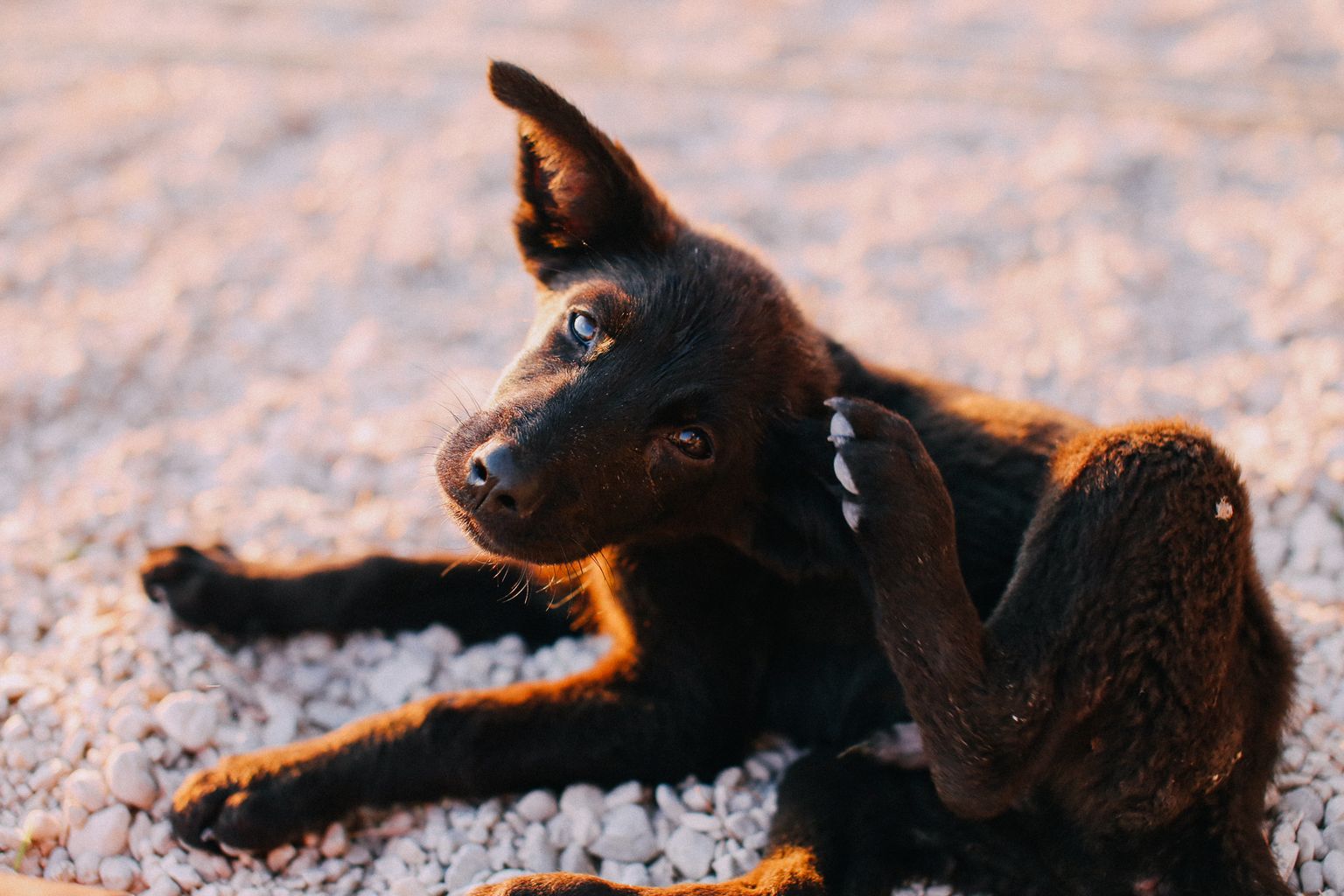
Fleas can turn a peaceful home into an itchy, stressful one in just a few days. They breed quickly, keep your dog scratching around the clock, and quietly spread into carpets, bedding and furniture long before you notice the problem. If you’re trying to figure out how to get rid of fleas on dogs fast, the answer is to act the same day and treat both your dog and your home together, because fleas left behind in the house will simply jump back on. A bath or a quick tablet can clear the fleas you see within hours, but the eggs and cocoons hiding in your home are what bring them back. This guide covers the fastest ways to clear fleas from your dog, the safe methods you can use at home, and how to keep them from coming back.
Here’s the whole plan at a glance:
| What to do | What it does | How fast it works |
|---|---|---|
| Fast-acting oral tablet (nitenpyram) | Kills adult fleas on your dog | Starts in 20 to 30 minutes, lasts 1 to 2 days |
| Flea bath with mild soap or shampoo | Kills adult fleas on contact | Immediately, but no lasting protection |
| Flea comb dipped in soapy water | Pulls out dead and live fleas | Immediately |
| Monthly vet-recommended preventive | Kills new fleas as they hatch and jump on | Usually within a day (varies by product), lasts about a month |
| Hot-wash bedding and fabrics | Kills fleas and eggs in fabrics | One hot wash and dry cycle |
| Daily vacuuming | Removes and kills eggs, larvae, pupae and adults | Every session; keep it up for several weeks |
| Home spray with an IGR | Stops eggs and larvae from becoming adults | Weeks; repeat in 5 to 10 days |
Understanding the Flea Problem
Fleas are more than a coat problem. Fleas go through four life stages: egg, larva, pupa and adult. Only the adults live on your dog. The eggs drop off into carpets, furniture and bedding, where they hatch into larvae and then spin cocoons. That’s why treating your dog alone never fixes the problem.
The numbers add up fast. According to Cornell’s Riney Canine Health Center, one female flea lays about 40 eggs a day, and the pupae inside their cocoons can survive for months while resisting insecticides. In under a week, a handful of fleas can turn your home into a breeding ground.
Key takeaway: treat your dog and your home at the same time, every time.
How to Tell Your Dog Has Fleas
Dogs scratch for lots of reasons, from allergies to dry skin, so confirm it’s fleas before you start treating.
Signs to look for
- Constant scratching, licking or biting, especially around the neck, belly and base of the tail
- Flea dirt, tiny black specks in the coat that look like ground pepper
- Live fleas, small brown insects about the size of a sesame seed that move quickly through the fur
- Red bumps, scabs or hair loss, often over the rump and back legs, which can be a sign of flea allergy dermatitis
- Pale gums or low energy in puppies and small dogs, since a heavy infestation can cause anemia
- Rice-like segments near your dog’s bottom, which point to tapeworms picked up from swallowing fleas
Quick check
Stand your dog on a white towel and run a fine-tooth flea comb through the fur along the back and near the tail. Tap whatever comes out onto a damp white paper towel. If the dark specks turn reddish-brown, that’s flea dirt (digested blood), and you have your answer.
How to Get Rid of Fleas on Dogs Fast: What to Do Right Now
Speed matters. Every day you wait means more eggs falling into your carpets and furniture. Do these steps within the first few hours of finding fleas. They follow the same approach the CDC recommends: clean, treat every pet, treat the home and follow up.
- 1
Step 1: Keep your dog in one area for now
Keep your dog off the beds and sofas and away from other pets while you get your supplies together. A crate or one easy-to-clean room works well. This slows down how far the eggs spread.
- 2
Step 2: Give a fast-acting flea treatment
An oral nitenpyram tablet (sold as Capstar and generics) is the quickest option you can buy over the counter. WebMD’s guide to nitenpyram says it starts killing adult fleas 20 to 30 minutes after your dog swallows it and kills 90 to 100 percent of them within four hours. It only lasts a day or two, so start a vet-recommended monthly preventive the same day.
- 3
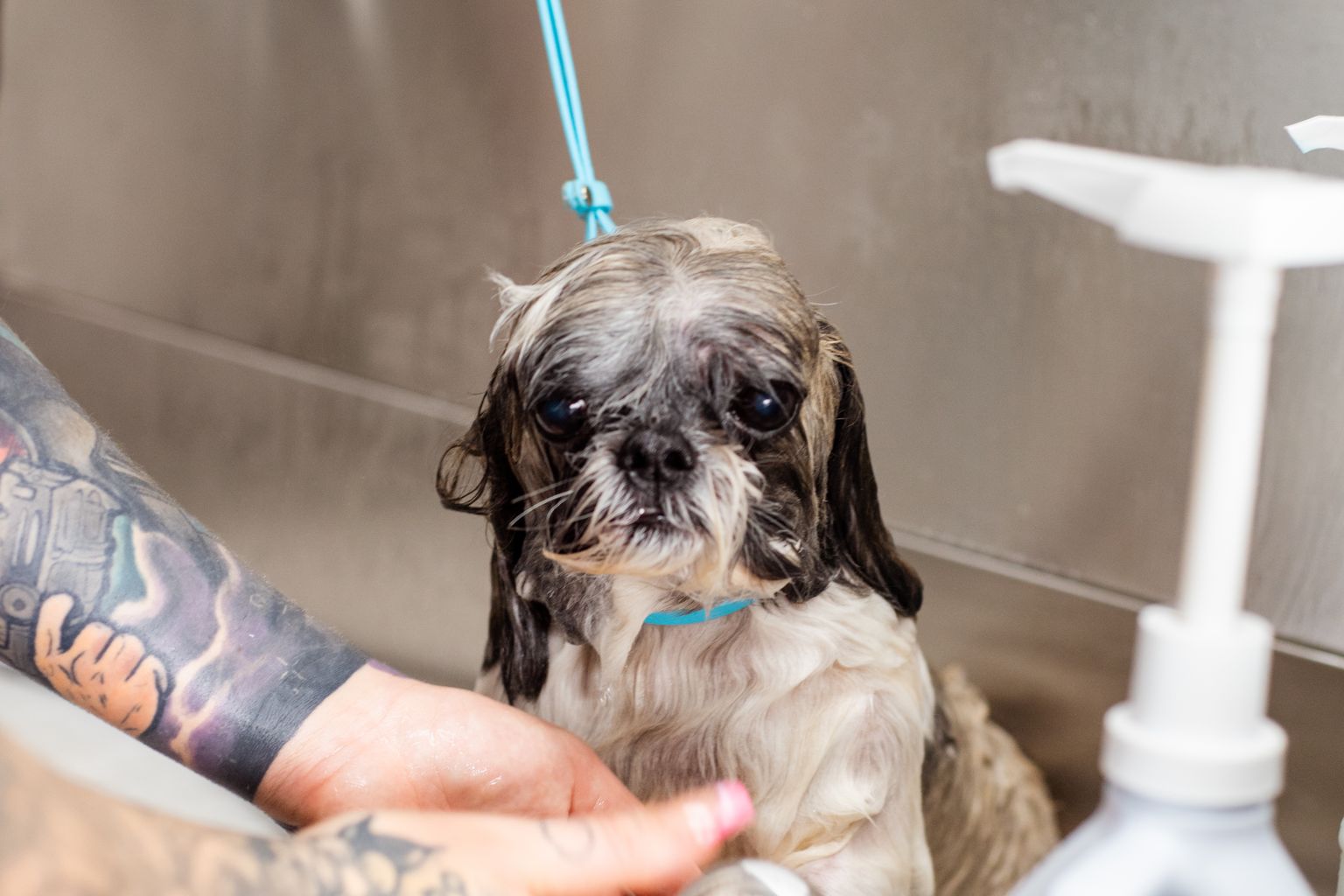
Step 3: Give your dog a flea bath
Warm water with a mild dog shampoo or a little dish soap (like Dawn) kills live fleas on contact. Lather the neck first so fleas can’t run up to the head, work back toward the tail, wait about five minutes, then rinse well. Treat this as a one-time first step, not a routine, since frequent soapy baths dry out the skin. Once the fleas are gone, go back to a normal schedule based on how often you should bathe your dog for its coat type. If you’ve just applied a spot-on treatment, check its label before bathing.
- 4
Step 4: Comb out dead and live fleas
Use a fine-tooth metal flea comb from head to tail, paying extra attention to the neck, armpits, belly and the area in front of the tail. Dip the comb in a cup of soapy water after each pass so any fleas you catch drown instead of jumping off.
- 5
Step 5: Strip and wash the bedding
Wash everything your dog regularly lies on: its bed, blankets, throws, removable sofa covers and your own bedding if your dog sleeps with you. Use the hottest water the fabric allows and dry on high heat. Bag everything before carrying it through the house so you don’t shake eggs onto the floor.
- 6
Step 6: Start vacuuming right away
Vacuum all floors, rugs, baseboards and upholstered furniture. Empty the canister or seal the bag and take it straight to an outdoor bin.
Important note
Call your vet before you start if your dog seems weak or lethargic, has pale gums or shows signs of an allergic reaction. Young puppies are especially vulnerable, and many flea products aren’t approved for them.
Fastest Ways to Get Rid of Fleas in Your Home
Treating your dog is only half the job. The eggs, larvae and pupae in your home will keep the cycle going unless you deal with them too.
Deep cleaning is non-negotiable
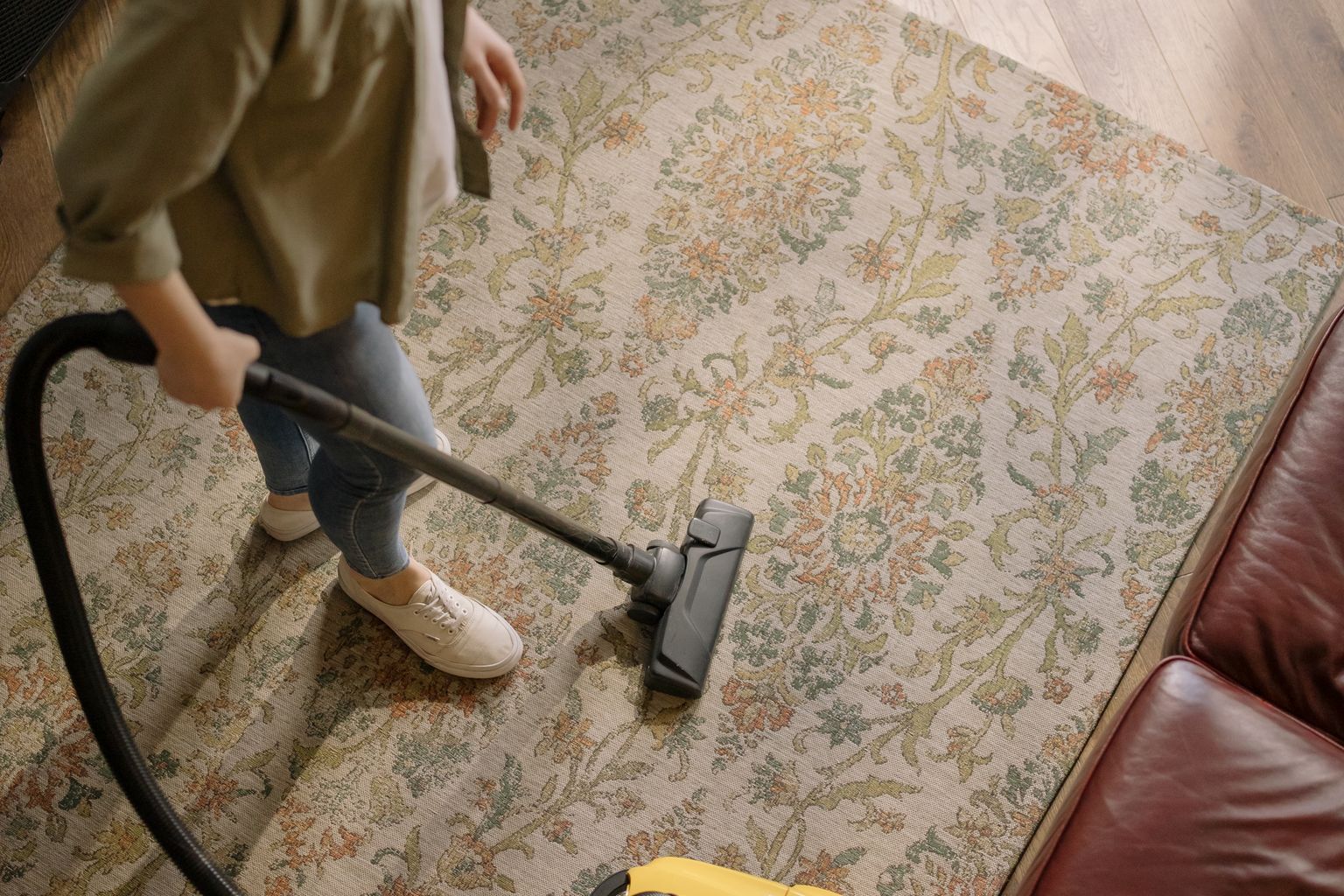
A vacuum is one of your best flea weapons. A study at Ohio State University found that vacuuming killed an average of 96 percent of adult fleas and 100 percent of pupae and larvae it picked up. Start with this routine:
- Vacuum carpets, rugs and furniture every day for the first week, then every other day for a few weeks
- Get under furniture, along baseboards, under sofa cushions and inside your car if your dog rides in it
- Empty the vacuum outside right after each use
- Clean your dog’s favorite resting spots more often than the rest of the house
Wash everything your dog touches
Flea eggs collect in fabrics. Wash these in hot water and dry them on high heat, and repeat every few days for the first two weeks:
- Dog beds and crate pads
- Blankets and throws
- Your own bedding
- Cushion and sofa covers
Regular hot washing of these fabrics also helps you remove pet odor that builds up in your dog’s favorite spots.
Use home flea treatments
For faster results, especially with a heavy infestation, add an indoor flea product. Options include:
- Flea sprays for carpets and upholstery, ideally with an insect growth regulator (IGR) such as methoprene or pyriproxyfen, which stops eggs and larvae from growing into adults
- Foggers for severe infestations
- Flea powders for carpets
Vacuum before you treat, follow the label closely and keep pets out until the area is dry. The CDC recommends two or more follow-up treatments within 5 to 10 days of the first, since the first round misses fleas still sealed in their cocoons. For a bad infestation, a licensed pest control company can treat your house and the shady parts of your yard.
Natural Remedies for Fleas on Dogs: Do They Work?
Natural remedies may cut down flea activity a little, but they’re usually too weak to clear an infestation on their own. An apple cider vinegar spray or a lemon rinse might make your dog’s coat less appealing to fleas, yet neither one kills eggs or breaks the life cycle. Food-grade diatomaceous earth works slowly by drying fleas out over several days, and its fine dust can irritate your dog’s lungs, so keep it off your dog and use it sparingly on carpets.
Some popular remedies are unsafe. Tea tree oil can poison dogs even in small amounts, other essential oils like pennyroyal carry similar risks, and garlic is toxic to dogs. Use natural habits like combing, vacuuming and hot washing alongside a proven flea treatment, not instead of one.
How Long Does It Take to Get Rid of Fleas on a Dog?
The adult fleas on your dog die within hours of a fast-acting treatment. Eggs and larvae in your home are slower to clear, so expect to see a few fleas over the first two weeks as pupae hatch from carpets and furniture. That’s normal and doesn’t mean the treatment failed. Most homes see a big drop in two to four weeks.
Getting rid of every last flea often takes two to three months, because pupae can wait in their cocoons for weeks before hatching. VCA Animal Hospitals recommends keeping all pets on flea control for three to six months after an infestation. Consistency matters more than speed, and people who stop after one good week usually end up starting over.
Preventing Future Flea Infestations
Once the fleas are gone, these three habits keep them from coming back.
1. Maintain monthly flea prevention
Give your dog a vet-recommended flea preventive every month, all year round. Fleas survive winter indoors where it’s warm, so stopping in autumn is one of the most common ways infestations start.
2. Keep your home clean
Vacuum the rooms your dog uses at least twice a week and wash dog bedding every week or two on hot. Regular vacuuming picks up stray flea eggs before they get a chance to hatch. Keep your grass short and clear away leaf piles where your dog likes to lie.
3. Check your dog frequently
Comb through your dog’s coat once a week, and always after dog parks, boarding or playdates with other animals. Finding two fleas early is far easier than dealing with two hundred later. You’ll find more routines like this in our dog care and pet supply guides.
When to Call a Veterinarian
Sometimes fleas lead to more serious problems, such as:
- Severe skin infections or open sores
- Allergic reactions to flea bites (flea allergy dermatitis)
- Tapeworm infections
- Anemia, especially in puppies, toy breeds and older dogs
See your vet if your dog shows any of these, seems in real discomfort, or still has lots of fleas after four to six weeks of steady treatment. Your vet may switch your dog to a different product.
Common Mistakes to Avoid
Most flea problems drag on because of a few simple mistakes:
- Treating only the dog and not the home
- Leaving other pets in the house untreated
- Skipping follow-up treatments
- Using the wrong product or dose (match the weight band on the box, and never use dog flea products on cats, since many contain permethrin, which is toxic to cats)
- Stopping treatment too early
Avoiding these will save you weeks of frustration.
Conclusion
Fleas move fast, but you can move faster. The day you spot them, give your dog a fast-acting treatment, a flea bath and a thorough combing, then turn to your home straight away. Vacuum every day for the first week, hot-wash all the bedding and fabrics your dog uses, and add an indoor flea spray if the infestation is heavy. After that first bath, settle back into a normal routine based on how often you should bathe your dog, since too many soapy baths dry out the skin.
The same deep cleaning also helps you remove pet odor from carpets and furniture. Keep every pet on a monthly preventive for at least three months, expect a few stragglers in the first two weeks, and call your vet if fleas hang on past six weeks.
FAQs About Fleas on Dogs and in the Home
Should I treat my home if my dog has fleas?
Yes. Flea eggs, larvae and pupae live in carpets, furniture and bedding. If you ignore your home, new fleas will keep hatching and jumping back on your dog.
What kills fleas on dogs right away?
A fast-acting oral tablet like nitenpyram starts working in about 30 minutes, and a flea bath kills adult fleas on contact. Neither lasts long, so pair them with a monthly preventive.
What should I do immediately if my dog has fleas?
Give your dog a flea bath, comb out the fleas, start a vet-approved treatment and begin cleaning your home the same day.
Do I need to wash bedding if my dog has fleas?
Yes. Wash all the bedding your dog uses, plus your own if your dog sleeps with you. Use hot water and high-heat drying to kill fleas and their eggs.
What gets rid of all the fleas in the house?
No single method does it alone. Daily vacuuming, hot-washing fabrics and using an indoor flea spray together, while every pet is on a preventive, works best.
Is it safe to cuddle my dog if it has fleas?
Yes, but a few fleas may hop onto you for a while. Dog fleas can bite people but don’t live on humans. Treating your dog and home quickly lowers the risk.
