
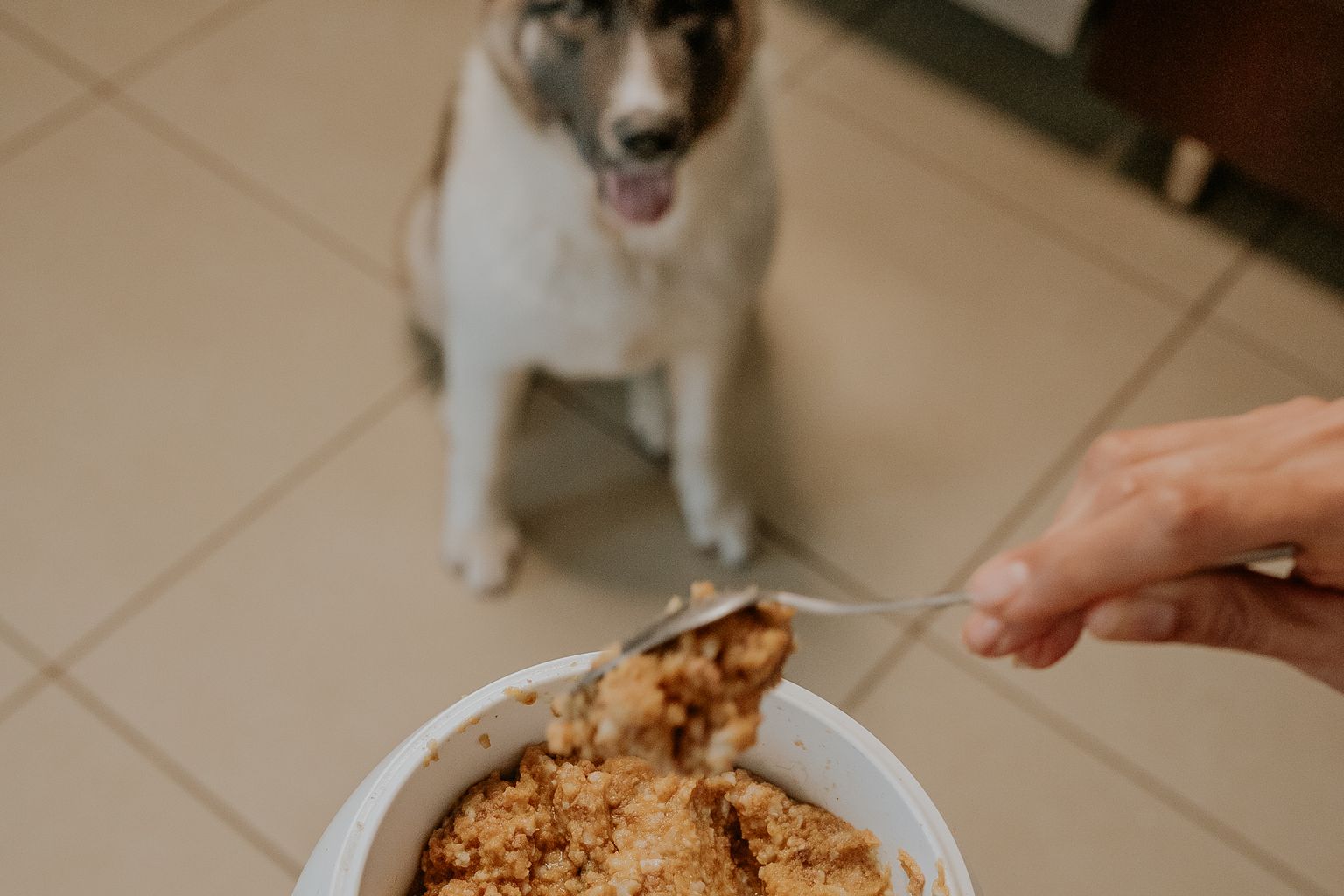
Quick answer: Plain sour cream isn’t toxic to dogs, and a lick is usually harmless. It’s high in fat and contains lactose, so larger amounts can cause vomiting, diarrhea or pancreatitis. Never share sour cream dips, chips or sauces made with onion, garlic or chives.
This blog is general information and is not veterinary advice. Talk to your vet about your dog’s diet and health, and call your vet or a pet poison line right away if your dog ate something with onion, garlic or xylitol. Read our full disclaimer.
Taco night, a baked potato bar, a bowl of chips and dip: sour cream shows up at a lot of meals, and your dog has noticed. So can dogs eat sour cream without getting sick? Plain sour cream is a dairy food, and dairy is where most of the trouble starts for dogs. The bigger danger usually sits in what gets mixed into it, like onion powder, chives and garlic.
Below we break it down the way you’d check it at home: what’s on the label, how much your dog ate, and which dog ate it. Every risk links to a vet or animal-welfare source, so you can read the original yourself.
Can Dogs Eat Sour Cream Safely?
Yes, a small lick of plain sour cream is safe for most healthy adult dogs, though it isn’t a healthy treat. Keep it plain, keep it rare and keep it tiny. Anything flavored with onion, garlic, chives or a sugar-free sweetener is off the table, even in small amounts.
Is sour cream bad for dogs in general? For most dogs, the answer depends on the amount. A dab licked off your finger won’t do much. A big scoop gives a small stomach a load of fat and dairy it isn’t built to handle.
Some dogs should skip sour cream entirely:
- Puppies, whose stomachs are still adjusting to their regular food
- Dogs that have had pancreatitis or eat a vet-prescribed low-fat diet
- Dogs with sensitive stomachs or known dairy trouble
- Overweight dogs on a calorie plan
If your dog fits any of those groups, check with your vet before sharing any people food.
What Are the Risks of Feeding Sour Cream to Dogs?
Sour cream carries three main risks for dogs: its high fat content, its lactose and its extra calories. Each one grows with the amount your dog eats. A lick rarely causes problems, while a few spoonfuls, or a habit of sharing, can lead to an upset stomach, weight gain or a painful bout of pancreatitis.
High Fat and the Risk of Pancreatitis
Full-fat sour cream is one of the richest foods in the fridge, and fat is the risk vets worry about most. The pancreas, a small organ near the stomach, makes enzymes that digest food. A sudden load of fat can make it inflamed, which is called pancreatitis.
The American Kennel Club lists high-fat foods, table scraps and rich holiday meals among the most common diet triggers of pancreatitis in dogs. AKC adds that pancreatitis can become life-threatening without prompt veterinary treatment. Dogs that have had it before should stay away from fatty people food.
Lactose and an Upset Stomach
Lactose is the natural sugar in milk, and dogs struggle to digest it. The ASPCA explains that pets don’t make much lactase, the enzyme that breaks lactose down. As a result, milk and other dairy foods can cause diarrhea or other digestive upset.
How much a dog can handle varies. Some dogs react to a small amount with gas, loose stools or a gurgling belly, while others only show signs after a bigger helping.
Weight Gain and Empty Calories
Sour cream adds calories without adding anything your dog’s complete food is missing. One spoonful now and then won’t change much. A spoonful on every dinner adds up quickly, especially for small breeds that need very few calories a day. Chihuahuas, Yorkies and other toy breeds have the least room for extras. Extra weight puts more strain on joints and makes it harder for your dog to stay active.
How Much Sour Cream Can a Dog Have?
Keep it to a lick or a small dab as a rare treat. Sour cream counts as a treat, and VCA Animal Hospitals advises that treats and snacks make up no more than 10% of a dog’s daily calories, with the other 90% coming from complete, balanced food.
Here’s how to use the 10% rule at home:
- Find your dog’s daily calorie target on their food bag or ask your vet.
- Take 10% of that number. That’s the whole treat budget for the day, chews and biscuits included.
- Check the calories per serving on your sour cream tub’s nutrition label.
A small dog’s daily treat budget is tiny, so one spoonful of sour cream can use up a big share of it. A large dog has more room, but the fat stays the same per spoonful, so the pancreatitis risk doesn’t shrink with size.
Skip any fixed “safe amount” you see online, such as a teaspoon per dog. None of the sites we checked backs those figures with a vet source. A lick, now and then, is the safe target.
Which Sour Cream Foods Are Unsafe for Dogs?
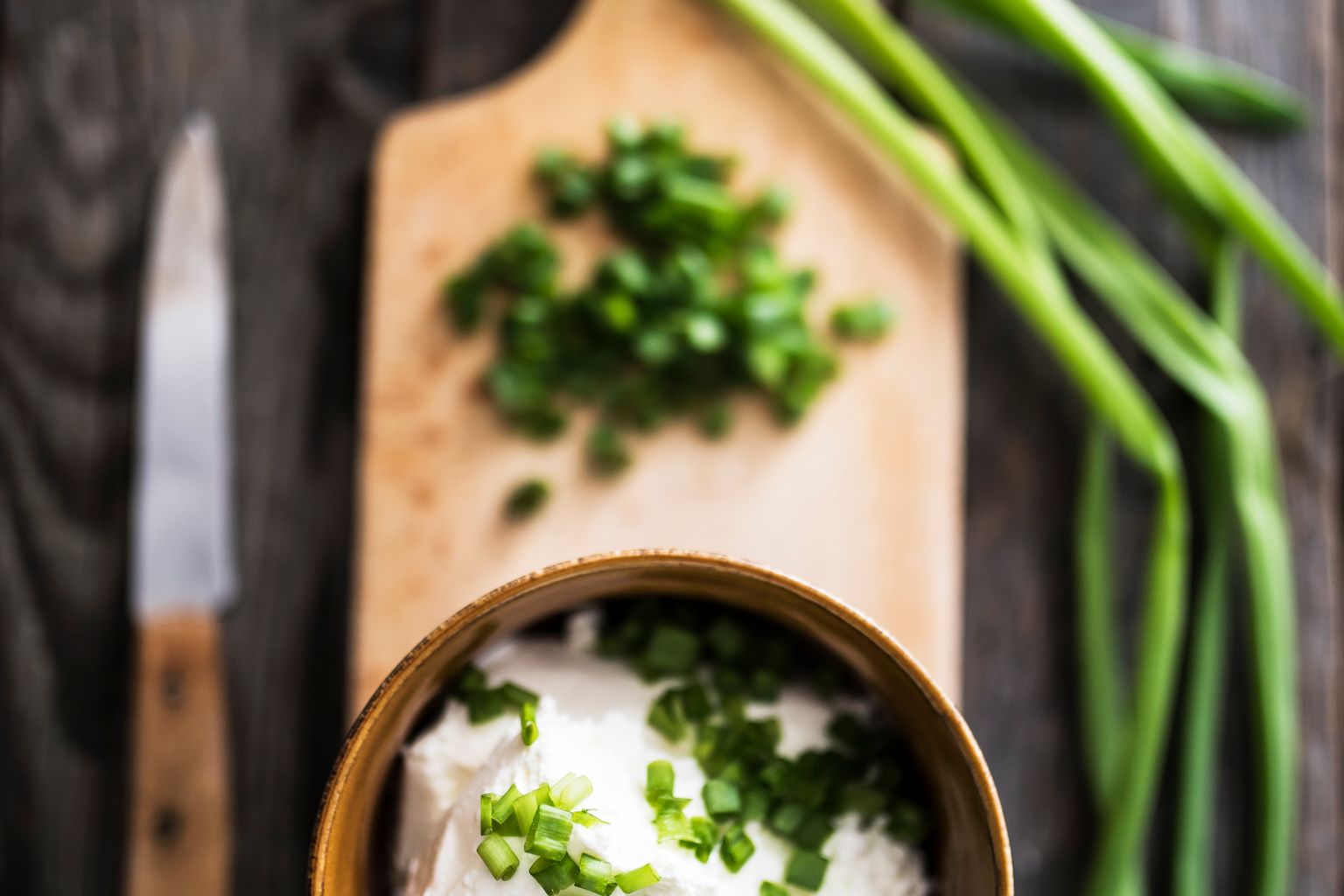
Plain is the only sour cream a dog should taste; flavored dips, chips and sauces are a different story. Many of them contain onion, garlic or chives, which are toxic to dogs, plus a lot of salt. Use the table below to check what’s on your counter before your dog gets a lick. Baked potato toppings and taco fillings often mix sour cream with chives, onion or garlic too.
| Food | Okay for dogs? | Main risk |
|---|---|---|
| Plain full-fat sour cream | A lick, rarely | Fat, lactose |
| Light or fat-free sour cream | A lick, rarely; check the label | Additives, possible sweeteners |
| Non-dairy (vegan) sour cream | Not recommended | Oils and gums; check the label for onion or garlic powder |
| Sour cream and onion chips | No | Onion powder, salt, fat |
| Sour cream and chive dip or French onion dip | No | Chives or onion, salt |
| Ranch dip | No | Garlic and onion powder |
| Sour cream and cheddar chips | No | Salt, fat, often onion or garlic powder |
| Guacamole with sour cream | No | Onion, garlic, salt |
| Whipped cream | A lick, rarely | Fat, sugar; some sugar-free versions contain xylitol |
Onion, garlic and chives all belong to the allium family. VCA notes that every form is poisonous to dogs, including dried and powdered ones. Powders are more concentrated because the water is gone: VCA says one teaspoon of garlic powder equals about eight fresh cloves. That’s why the seasoning dust on sour cream and onion chips matters more than its size suggests.
Xylitol is a sugar-free sweetener found in some light or “no sugar added” foods, and it is highly toxic to dogs even in small amounts. Read the label on any reduced-sugar dairy before sharing.
What Should You Do If Your Dog Ate Sour Cream?
Check the label first: was it plain or flavored, and how much did your dog eat? A lick of plain sour cream usually needs nothing more than watching your dog for a day. Any amount of a dip or chip with onion, garlic, chives or xylitol is a reason to call your vet or a poison line now.
Symptoms to Watch For
After plain sour cream, watch for these signs over the next day or two:
- Vomiting or diarrhea
- Gas or a gurgling stomach
- Belly pain, such as a hunched back or not wanting to be touched
- Low energy or loss of appetite
VCA reports that stomach upset can follow potentially any amount of onion, garlic or chives. Larger amounts can damage red blood cells, and VCA lists weakness, a fast heart rate, heavy panting, pale gums and red-colored urine as signs.
When to Call Your Vet or Pet Poison Control
Call your vet right away if any of these apply:
- The food contained onion, garlic, chives or xylitol
- Your dog ate a large amount, such as half a tub
- Your dog is small, a puppy or has had pancreatitis before
- Your dog is vomiting repeatedly, has a swollen belly or seems weak
If your vet is closed, ASPCA Animal Poison Control is open 24/7 at (888) 426-4435, and a consultation fee may apply. Pet Poison Helpline is also open 24/7 at (855) 764-7661 and charges a $99 per-incident fee (checked November 2026). Have the food label handy when you call. Tell them your dog’s weight, what the food was, roughly how much is missing and when it happened. Those details help the expert judge the risk fast and tell you whether to watch at home or head to a clinic. For a dog that collapses, has trouble breathing or has pale gums, go straight to an emergency vet.
What Are Better Alternatives to Sour Cream for Dogs?
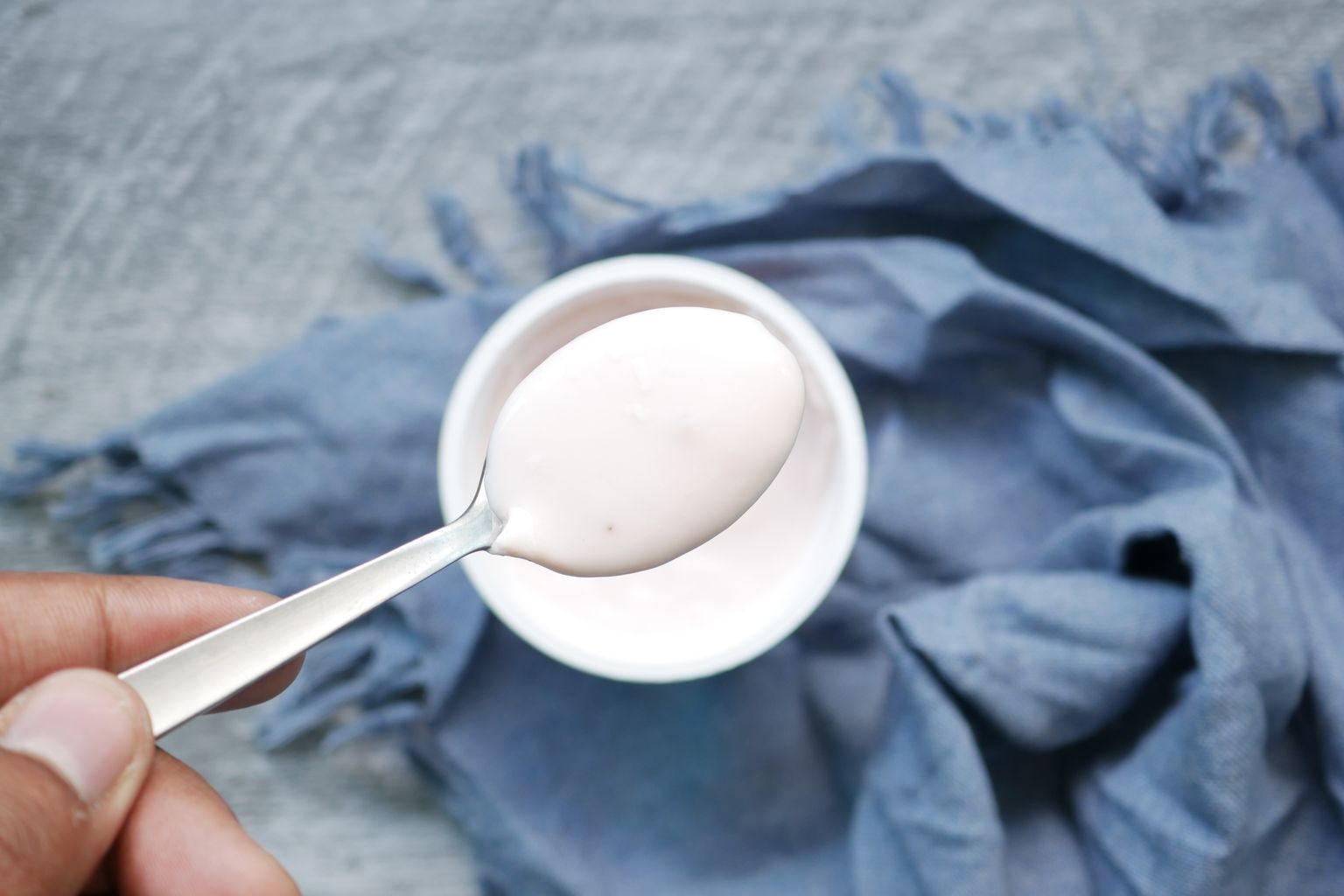
Plain, unsweetened yogurt is the closest swap for sour cream, and a few other foods work well as an occasional topper. Each option below is lower in fat or easier on the stomach than sour cream. Every one of them still counts toward your dog’s 10% daily treat budget.
- Plain, unsweetened yogurt: Creamy like sour cream, and plain low-fat versions carry less fat. Offer a small spoonful as a topper. Check the label for xylitol and skip flavored yogurts.
- Plain cottage cheese: A mild, soft cheese that’s easy to mix into food. Pick a plain, low-fat, low-sodium tub and use a small spoonful. Skip it for dogs with known dairy trouble.
- Plain canned pumpkin: Smooth, low in fat and easy to mix into food. Use a spoonful. Buy 100% pumpkin, never pie filling with sugar and spices.
- Fresh blueberries or banana slices: Sweet, low in fat and easy to portion. Offer a few pieces. Banana is higher in sugar, so keep portions small.
If you want a topper your small dog will eat every day, a better long-term fix is a food they enjoy on its own. Our guide to the best dog food for small dogs covers kibble size, protein and calorie density for little breeds.
The Bottom Line
So, can dogs eat sour cream? A lick of plain sour cream won’t hurt most healthy dogs, but it adds fat, lactose and calories, so keep it rare. Flavored sour cream foods, especially chips and dips with onion, garlic or chives, aren’t safe at all. When your dog sneaks some, check the label, watch for stomach trouble and call your vet if anything worries you. For more pet care guides on feeding, health and grooming, browse the rest of our site.
Can Dogs Eat Sour Cream? Frequently Asked Questions
Can dogs eat sour cream and onion chips?
No. Sour cream and onion chips are seasoned with onion powder, which is toxic to dogs, and they’re also salty and fatty. Powdered onion is more concentrated than fresh, so even a few chips matter for a small dog. Call your vet if you’re unsure.
Can dogs eat sour cream and chives?
No. Chives belong to the same allium family as onion and garlic, and the ASPCA warns that alliums can damage a dog’s red blood cells. Sour cream and chive dip, baked potato toppings and cream cheese spreads with chives should all stay out of your dog’s reach.
My dog ate sour cream and onion chips. What should I do?
Count how many chips are missing and note your dog’s weight. Then call your vet or a pet poison line, especially for a small dog or a large handful. Watch for vomiting, diarrhea, drooling, weakness or pale gums, and keep the bag so you can read the ingredients to the vet.
Can puppies eat sour cream?
It’s best to skip it. Puppies have sensitive stomachs and need every bite to come from a complete puppy diet that supports growth. Our guide to puppy food for small breeds explains what young dogs need at each stage of growth.
Is plain yogurt better than sour cream for dogs?
Yes, in most cases. Plain, unsweetened yogurt usually has less fat than full-fat sour cream and makes a better occasional topper. Choose a version with no added sugar, no flavors and no xylitol, and keep the portion to a small spoonful counted as a treat.
Can dogs eat sour cream every day?
No. Daily sour cream adds fat and calories that can lead to weight gain and raise the risk of pancreatitis. Treats of any kind, from calming chews to biscuits, should stay under 10% of daily calories, and sour cream uses that budget up quickly.
Can dogs eat whipped cream?
A small lick of plain whipped cream is safe for most dogs. It’s also high in fat and sugar, so keep it rare and tiny. Sugar-free whipped toppings can contain xylitol, which is highly toxic to dogs, so read the label on any sugar-free can first.
Does sour cream have any benefits for dogs?
Not really. Sour cream contains some calcium and, in cultured versions, live bacteria, but your dog gets better sources from complete dog food or plain yogurt. Its fat and lactose outweigh any small benefit, so keep it to an occasional lick.