

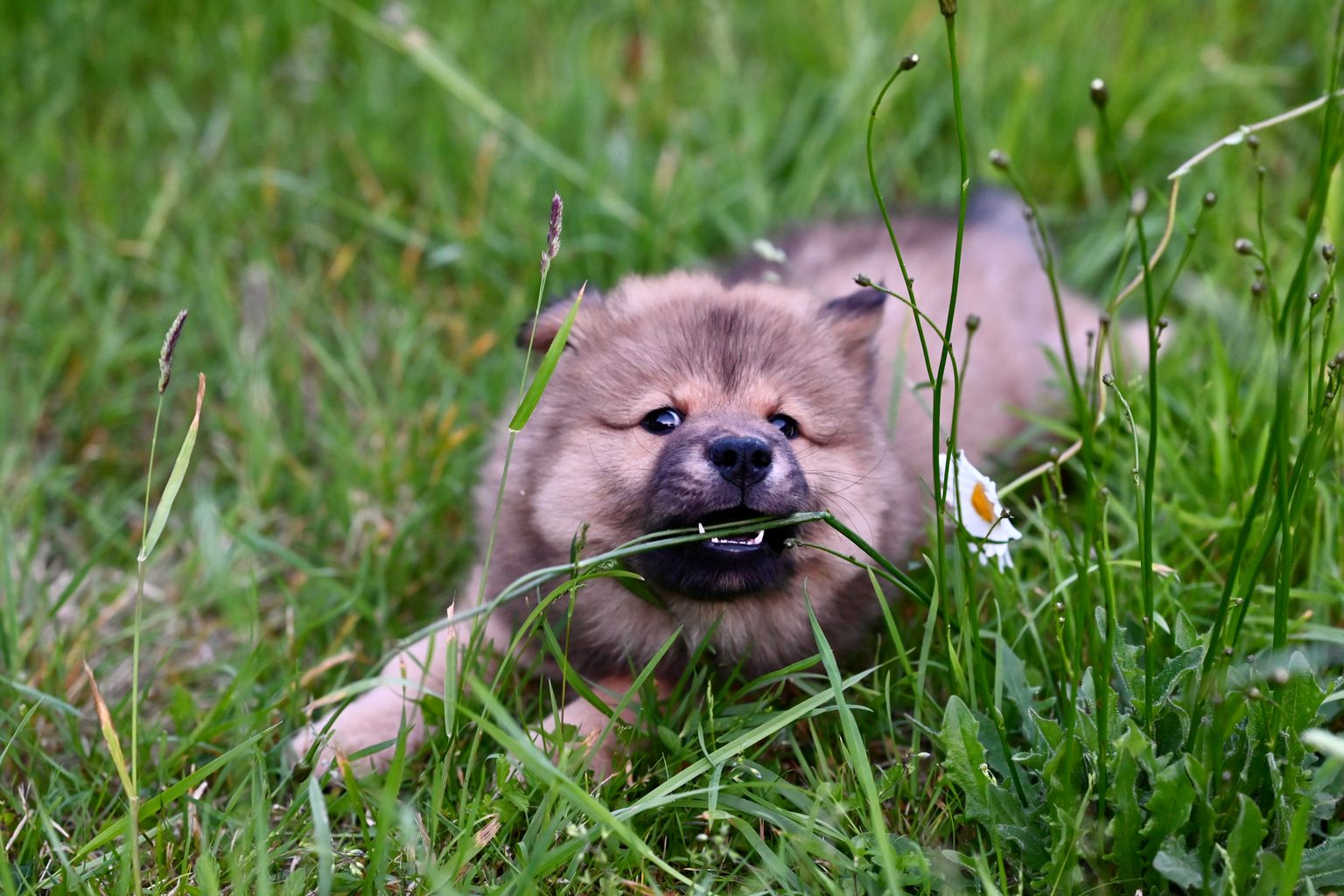
Halfway down the block, your dog stops, drops their nose into the lawn and starts chewing like it’s dinner. If you’ve stood there wondering why does my dog eat grass and whether you should stop them, you’re in very ordinary company. For most healthy dogs, grazing is normal behavior.
Quick answer: Most dogs eat grass because it is a normal behavior, not because they are sick. Common reasons are taste, boredom, anxiety, fiber and scavenging instinct. Fewer than 25% of dogs vomit afterward. Call your vet if the grazing is sudden or frantic, or comes with vomiting, diarrhea or lethargy.
This blog is general information and is not veterinary advice. Talk to your vet about your dog’s health and behavior. Read our full disclaimer.
The veterinary guidance below was checked against VCA Animal Hospitals, the American Kennel Club and the Animal Humane Society in November 2026.
Why Does My Dog Eat Grass? 7 Common Reasons

Usually it’s one of these seven, and plenty of dogs have more than one going at once. A quick nibble on a walk is often curiosity, while an afternoon of grazing alone in the yard points somewhere else entirely. The table gives you the short version, and the sections underneath explain how to tell them apart.
| Reason | What It Looks Like | How to Tell | What to Do |
|---|---|---|---|
| Taste and texture | Calm, choosy nibbling | Your dog picks specific blades and ignores the rest | Nothing, if the lawn is clean |
| Boredom | Long grazing sessions when left alone outside | Stops the moment you join in | More walks, play and puzzle toys |
| Anxiety or stress | Grazing around departures or storms | Pacing and panting show up too | Keep routines predictable, ask your vet |
| Attention-seeking | Grazes, then looks at you | Every mouthful gets a reaction from you | Skip the reaction, reward the recall |
| Extra fiber | Routine grazing plus irregular stools | Constipation, soft stools or gas | Talk to your vet before changing food |
| Upset stomach | Fast grazing, then vomiting | Usually a one-off, in an otherwise bright dog | Watch once, call if it repeats |
| Scavenger instinct | Grazing in a healthy dog on a full diet | No symptoms at all, ever | Accept it |
1. They Like the Taste and Texture
- What it looks like: Relaxed, unhurried nibbling, often with real fussiness about which blades make the cut.
- How to tell: Taste-driven grazers are picky. One owner in the Animal Humane Society’s survey described her two dogs walking past the short grass mowed in lawns for the taller, wider blades in weedy patches, then turning choosy once everything is in bloom and hunting out only the greenest, most tender blades. Some dogs graze seasonally; others munch on every walk.
- What to do: Nothing, as long as the lawn is untreated and clean.
2. Boredom
- What it looks like: Long, aimless grazing when your dog is alone in the yard with nothing else going on.
- How to tell: VCA Animal Hospitals notes that grass eating tends to increase as owner contact time drops. If the nibbling starts about ten minutes after you go back inside and stops the second you come out, boredom is the likely driver.
- What to do: Add walks, play and something to think about. A food puzzle or a couple of the best dog toys for chewers will occupy a busy mouth.
3. Anxiety or Stress
- What it looks like: Grazing that picks up around departures, storms or changes at home.
- How to tell: VCA compares it to the way nervous people chew their fingernails, a self-soothing habit. Look for other stress signals at the same time, such as pacing, panting or whining at the door.
- What to do: Keep routines predictable and leave out something that smells of you. Ask your vet whether the best calming treats for dogs suit your dog before you start anything new.
4. Attention-Seeking
- What it looks like: A dog who takes a mouthful, then checks whether you noticed.
- How to tell: The behavior pays off. If every bite earns a “hey, stop that” and a walk across the yard, your dog has learned that grass gets you moving. VCA lists attention-seeking among the psychological reasons dogs graze, alongside boredom and anxiety.
- What to do: Skip the reaction, call your dog to you, and pay for the recall instead. The same logic sits behind another common question: why does my dog lick me so much.
5. Extra Fiber for Digestion
- What it looks like: Routine grazing in a dog whose bathroom habits look a bit off.
- How to tell: Grass is roughage, and VCA notes that a shortage of fiber affects how well a dog digests food and passes stool. The Animal Humane Society lists irregular bowel movements, constipation, soft stools and excessive gas as signs a dog’s diet may need adjusting.
- What to do: Talk to your vet first. Both VCA and the Animal Humane Society say to check in before switching foods or adding a fiber supplement, because the right answer depends entirely on the dog.
6. An Upset Stomach (Less Often Than You Think)
- What it looks like: A dog who makes straight for the grass, eats fast, and brings it back up soon after.
- How to tell: The timing fools people. VCA reports that only 10% of dogs show signs of illness before they eat grass, so most grazing dogs were feeling perfectly fine beforehand.
- What to do: Watch once. Repeated vomiting, diarrhea or low energy turns it into a vet call.
7. Scavenger Instinct
- What it looks like: Happy grazing in a dog who eats a full, balanced diet and has no stomach trouble at all.
- How to tell: Wild canids ate whole prey, stomach contents and plant material included. VCA points to stool samples showing that 11% to 47% of wolves eat grass. Puppies run their own version, testing new textures with their mouths.
- What to do: Let them get on with it. A dog who grazes happily, eats a full diet and never brings it back up is doing something their ancestors did, and there is nothing here to correct.
Is It Normal for Dogs to Eat Grass?
Yes. For most healthy dogs, grass eating is ordinary behavior with nothing medical behind it. Age counts for more here than breed or size: puppies mouth everything while they work out what food is, and a senior dog who starts grazing after years of walking past the lawn is the one to keep an eye on.
The numbers back that up. VCA Animal Hospitals reports that fewer than 25% of dogs vomit after eating grass, which undercuts the old idea that dogs graze to make themselves throw up. Dr. Grace Miller, Managing Shelter Veterinarian at the Animal Humane Society, puts it plainly: “Research appears to show the answer is mostly inconclusive, but most agree it’s because dogs must just like it.”
Owners land in the same place. In long-running threads on r/dogs and r/WhatsWrongWithYourDog, the common view is that occasional grazing is harmless and varies by dog: some never touch the stuff, and a few overdo it enough that their owners step in.
Normal stops being normal when the pattern changes. Sudden, frantic or constant grazing, especially alongside other symptoms, is the version that earns a phone call.
Why Does My Dog Eat Grass and Then Throw Up?
Grass blades can tickle the throat and stomach lining on the way down, and in some dogs that’s enough to trigger vomiting. The other possibility runs in the opposite direction: your dog already felt queasy, and the grazing came afterward.
Vets still can’t say which happens first. The Animal Humane Society puts it plainly: veterinarians are still unsure whether dogs eat grass because their stomachs are upset, or whether their stomachs become upset because they ate grass. VCA Animal Hospitals raises the same dilemma and then leans one way, concluding that dogs are unlikely to be grazing as a form of self-medication.
Speed plays a part too. Owners in the Animal Humane Society’s survey put post-grass vomiting down to “scarf and barf”, eating too fast and feeling rough afterward. Only three of the 18 respondents mentioned vomiting at all.
If what comes up is yellow foam, that points somewhere more specific. Dr. Jerry Klein, Chief Veterinary Officer at the American Kennel Club, says “Yellow foam, or bile, usually indicates that the dog has an empty stomach,” and adds that some dogs eat grass to help bring that bile up. The same empty-stomach pattern explains a lot of cases of a dog throwing up white foam.
One episode in a dog who is otherwise bright and eating is usually nothing. Repeated vomiting, bloody stool or lethargy needs a vet, and human medicines should stay in the cupboard.
Why Does My Dog Eat Grass All of a Sudden?
Sudden grazing usually traces back to something that changed: a new food, a stressful week, an upset stomach, fresh spring growth, or an empty stomach first thing in the morning. A habit that appears overnight deserves more attention than one your dog has had for years, and everyday grazing on walks since puppyhood is a different thing from grazing that started on Tuesday.
Frantic grazing is the version owners describe as eating grass like crazy: head down, gulping, hard to interrupt. On r/DogAdvice, owners reach for phrases like “like a maniac” and “non stop”, and several trace the start of it to a change of food. A reply that recurs in those threads asks whether the food was swapped overnight or transitioned slowly.
A dog who grazes but turns down dinner is the combination to take seriously. A decrease in appetite is on the American Kennel Club’s list of signs that need veterinary attention, so that pairing earns a call rather than a few days of waiting.
A change in routine counts too. A new work schedule, a house guest, a move, or a different walking route can all show up as extra time with the nose in the lawn.
Leave the diagnosis to your vet. VCA Animal Hospitals tells owners whose dogs show signs of stomach discomfort to get them checked, partly to rule out conditions such as gastric reflux, inflammatory bowel disease or pancreatitis.
Do Dogs Eat Grass Because They Are Lacking Something?
Rarely, as long as your dog eats a complete and balanced diet. Eating non-food items is technically called pica, and VCA Animal Hospitals notes it can be linked to a diet short on nutrients, vitamins or minerals. VCA also points out that dogs on well-balanced commercial food shouldn’t be deficient in the first place.
That puts a lot of weight on the label. AAFCO explains the two key words simply: “complete” means the product contains all the nutrients required, and “balanced” means those nutrients are present in the correct ratios. Look for the AAFCO nutritional adequacy statement, usually in small print on the back or side of the bag.
Fiber is the likelier shortfall, and still one to raise with your vet first. That same AAFCO statement is the first thing to check on any bag, including when you’re comparing the best dog food for small dogs.
Is Eating Grass Bad for Dogs? The Real Risks
The grass itself is rarely the problem. What’s sprayed on it, living in it or growing next to it is where the risk comes from.
| Risk | Why It’s a Problem | What to Do |
|---|---|---|
| Lawn chemicals | Herbicides and pesticides can be toxic to dogs (VCA), and fertilizer-treated lawns are on the Animal Humane Society’s watch list too | Keep your dog off treated grass for as long as the product label says |
| Intestinal parasites | Hookworms and roundworms travel in fecal residue left on grass by other dogs (VCA) | Stay current on parasite prevention with your vet |
| Toxic plants | Lawns and borders hide plants poisonous to dogs, including daffodil, foxglove, chrysanthemum and geranium (ASPCA) | Check the ASPCA’s dog plant list before planting |
| Foxtails and grass awns | Barbed seed heads work into skin, ears, eyes and noses, and inhaled ones can migrate to the lungs or brain (AKC) | Comb your dog after walks in long grass, and call your vet for anything embedded |
| Large amounts of grass | Increased consumption can lead to intestinal blockage (Animal Humane Society) | Interrupt marathon grazing sessions |
| Sharp blades | Coarse grass can irritate the throat on the way down (Animal Humane Society) | Steer your dog away from dry, scratchy growth |
Foxtails deserve a closer look, because they’re the risk fewest owners see coming. Dr. Rebecca Greenstein, DVM, Veterinary Medical Advisor for Rover, describes them to the AKC as “rigid, bristly, arrow-shaped seeds that act as migrating foreign bodies”, and the barbs let them push forward into tissue without backing out. The AKC notes they harden from May through December, so comb your dog’s coat after walks through long grass in those months.
Your own yard is the one you can actually control. Knowing how to create a pet-friendly home means leaving the lawn chemical-free, pulling awned grasses out at the root, and knowing which of your plants are on the toxic list.
How Do I Stop My Dog From Eating Grass?
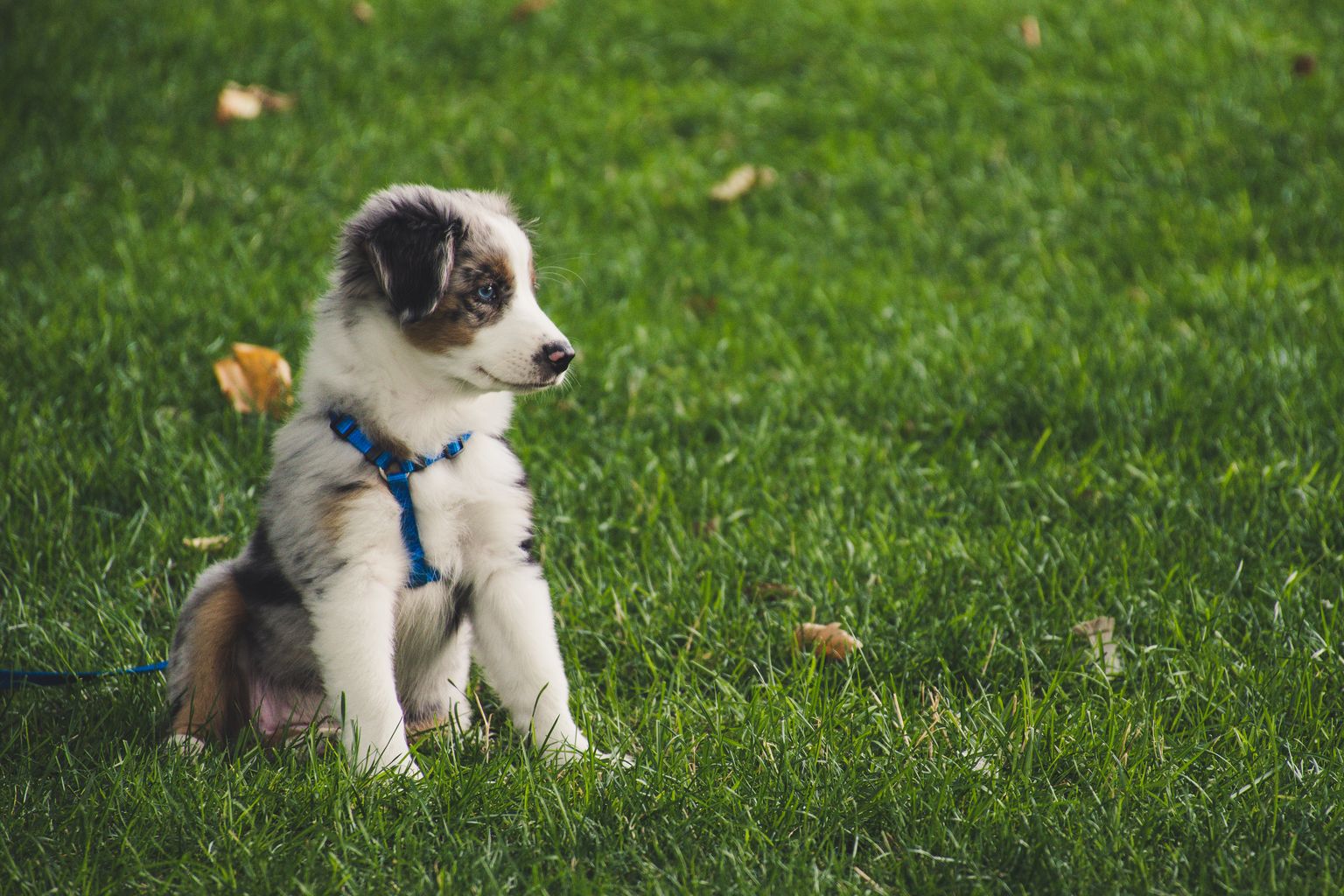
Often you don’t need to. VCA Animal Hospitals suggests that training out occasional grazing can interfere with natural instincts and do more harm than good. Manage the risk, redirect when it counts, and leave harmless grazing alone.
When you do want to interrupt it, these work:
- Use a leash in unfamiliar or treated areas. You can’t check every lawn on a walk, so control the access instead. Solid dog leash training turns the redirect into a smooth change of direction.
- Teach “leave it”. Reward the moment your dog’s head comes up and their attention comes back to you.
- Bring treats and change direction. VCA recommends distracting a grazing dog by walking the other way or asking for a trick, then handing over the treat when they comply.
- Add exercise for bored dogs. More frequent walks and harder play sessions take the appeal out of standing in the yard chewing.
- Put a puzzle feeder in the rotation. Mental work tires out dogs that physical exercise alone never quite settles. A lick mat or one of the best dog toys for chewers covers the same need indoors.
- Ease anxiety with routine. Predictable days, a worn T-shirt that smells of you, and calming treats for dogs if your vet agrees they’re a good fit.
- Keep your own lawn clean. Skip the chemicals, or keep your dog off the grass for the full re-entry time printed on the product.
- Ask your vet before changing food. Diet changes and fiber supplements are a conversation to have first.
When Should You Take Your Dog to the Vet for Eating Grass?
When the grazing changes suddenly, or when it turns up alongside other symptoms. On its own, in a bright and happy dog, grass eating rarely needs an appointment.
The American Kennel Club lists these signs to check for in a dog who is eating grass:
- Vomiting
- Diarrhea
- Bloody stool
- Lethargy
- A decrease in appetite
- Weight loss
- Lip licking
Grass eating that is persistent, or that has clearly increased, also deserves a vet’s opinion, as does any dog you think swallowed a large amount in one go.
Emergency: If you think your dog ate a toxic plant, a treated lawn or any chemical, call your vet straight away, or the ASPCA Animal Poison Control Center on (888) 426-4435. The line runs 24 hours a day, 365 days a year, and a consultation fee may apply.
The Bottom Line
Grass is one of the few dog habits that looks alarming and usually isn’t. Fewer than a quarter of dogs vomit afterward, only one in ten shows any sign of illness first, and plenty of dogs graze happily for years on a complete diet.
Your job here is lighter than it feels. Keep your dog’s regular lawns untreated, learn which plants and seed heads cause trouble, and watch the pattern instead of the habit.
When something looks different, call your vet. That same instinct, noticing what changed, answers most dog care questions, and it sits at the heart of every pet products guide we publish.
Frequently Asked Questions
Should You Let Your Dog Eat Grass if They Want To?
Occasional grazing on clean, untreated grass is fine for most healthy dogs. Steer clear of lawns treated with weedkiller or fertilizer, and of areas fouled by other dogs. Keep an eye out for vomiting, or for a sudden change in how much your dog grazes.
What Are Dogs Lacking When They Eat Grass?
Usually nothing. VCA Animal Hospitals notes that dogs on well-balanced commercial diets shouldn’t be nutritionally deficient. Fiber and boredom explain far more grazing than any missing nutrient. Ask your vet before switching foods or adding a supplement, because the right answer depends on your dog.
What Should I Give My Dog if They Keep Eating Grass?
Start with more exercise, chew toys and puzzle feeders, rather than anything new in the bowl. Skip supplements and fiber products until your vet recommends them. If the grazing is constant or newly started, book a vet visit instead of trying fixes at home.
Does Dog Eating Grass Mean They Are Sick?
Usually not. VCA Animal Hospitals reports that only 10% of dogs show signs of illness before eating grass. Watch instead for the signs that do suggest illness: vomiting, diarrhea, bloody stool, lethargy, appetite loss and weight loss. Those, alongside grazing, are the reason to call.
Why Is My Dog Suddenly Eating Grass Frantically?
Sudden, frantic grazing often follows a stomach upset, a recent food change or a stressful stretch at home. VCA Animal Hospitals advises a vet check for dogs showing signs of stomach discomfort. If it keeps happening, or arrives with vomiting or low energy, call your vet.
Why Will My Dog Eat Grass but Not Food?
Turning down meals while still grazing can point to nausea. A decrease in appetite is on the American Kennel Club’s list of signs that need veterinary attention, so this combination earns a call rather than a wait-and-see week.
Why Does My Dog Eat Grass in the Morning?
An empty stomach is the usual explanation. Dr. Jerry Klein, Chief Veterinary Officer at the American Kennel Club, says yellow foam or bile usually means the stomach is empty, and that some dogs eat grass to help bring it up. A small meal earlier can help.