

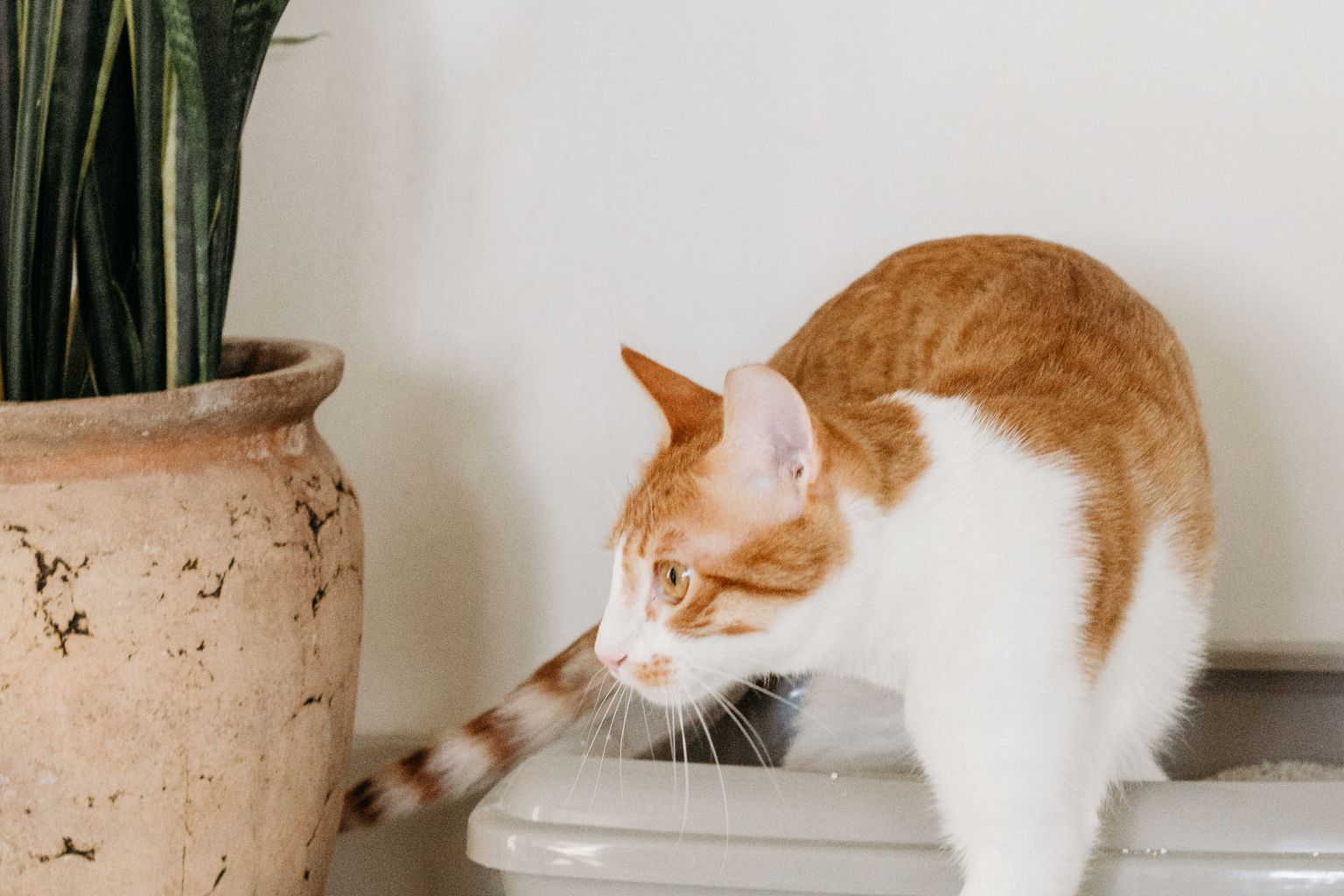
The best cat litter for odor control is an unscented clumping litter with activated carbon (charcoal) mixed in, or a silica crystal litter if your cat is happy with the texture. Clumping matters because it lets you lift urine out of the box completely instead of leaving it to soak into the bottom, and activated carbon traps ammonia rather than covering it with perfume. Cats also seem to agree: in preference trials reviewed by veterinary behaviorist Dr. Jacqueline Neilson, cats chose litter with activated carbon over plain litter and over litter with baking soda. That said, no bag of litter can rescue a box that’s scooped twice a week. Below you’ll find why litter boxes smell in the first place, how each litter type handles odor, which one suits your home, and the habits that keep smell from coming back.
Why does a litter box smell so bad?
Fresh cat urine doesn’t smell like much. The stink builds over hours as bacteria in the box break down urea in the urine and release ammonia. That’s the sharp, eye-watering smell you notice when a box hasn’t been cleaned in a day or two. The longer urine sits, the more ammonia it gives off.
Cat urine also contains an amino acid called felinine. As it breaks down, it produces sulfur compounds with a strong, musky smell. Unneutered males make much more felinine than other cats, which is why an intact tom’s box smells noticeably worse.
So odor control comes down to two jobs:
- Get the urine and feces out of the box fast, before bacteria get to work.
- Trap whatever ammonia forms in the meantime.
Every litter type does those two jobs differently, and that difference is what separates a box you can’t smell from one you notice the moment you walk in the door.
Best cat litter for odor control by type: which reduces smell most?
Here’s how the common types compare on odor, which is what matters here.
| Litter type | How it handles odor | Odor control | Dust | Good to know |
|---|---|---|---|---|
| Clumping clay with activated carbon | Hard clumps lift out whole; carbon traps ammonia | Excellent | Medium (low with “dust free” formulas) | Heavy, not biodegradable |
| Silica crystal | Beads absorb urine and dry it out | Excellent | Very low | Some cats dislike the texture |
| Tofu (soybean) | Clumps fast; plant fiber absorbs | Very good | Very low | Light, often partly flushable |
| Corn, wheat, or walnut | Clumps; plant starch absorbs | Good | Low to medium | Can mold if stored damp |
| Pine or softwood | Wood absorbs; natural pine scent | Good | Low | Pellets break into sawdust |
| Recycled paper | Absorbs but doesn’t lock in smell | Fair | Very low | Best for post-surgery cats |
| Non-clumping clay | Urine pools at the bottom | Fair to poor | Medium | Needs full changes weekly |
Clumping clay with activated carbon
For most homes this is the safest bet. Sodium bentonite clay swells when wet and forms a solid clump around urine, so you remove the waste and leave clean litter behind. Add activated carbon, which has a huge porous surface that grabs odor molecules, and you get strong odor control without perfume.
Look for words like “activated charcoal” or “carbon” on the ingredient list. If anyone in your house has asthma or allergies, pick a formula labeled low dust or 99% dust free. Cheap clay can throw up a lot of fine powder when you pour it.
Silica crystal litter
Crystal litter is made of silica gel beads full of tiny pores. They soak up urine and hold the moisture inside, which dries out solid waste too. For a single cat, a bag can last close to a month with daily scooping of solids, and odor control stays strong until the crystals are saturated. When the whole box starts to smell or turns yellow, it’s time for a full change.
The catch is texture. Some cats walk on crystals like they’re on hot sand. They’re also not a great choice for kittens who might eat litter.
Tofu litter
Tofu litter is made from soybean fiber left over from food production. It clumps quickly, makes almost no dust, and weighs a fraction of what clay does. Its odor control is very good, especially in formulas that add activated carbon or green tea extract. If you want a natural option that performs close to clay, start here.
Corn, wheat, and walnut litter
These plant-based litters clump and control odor reasonably well. They’re light and biodegradable, which makes them a popular pick for the best natural cat litter for odor control. The weak spot is moisture. A damp box or a bag stored in a humid laundry room can grow mold, which brings its own smell. Keep bags sealed and dry.
Pine and softwood litter
Pine pellets absorb urine and break down into sawdust, and the natural wood smell masks ammonia without added fragrance. Newer softwood clumping litters work more like clay. Pine is a good fit if you want low dust and low tracking, but pellets feel very different from sand, so give your cat time to adjust. A sifting box helps a lot with pellets.
Paper and non-clumping clay
Paper is soft and nearly dust free, which is why vets often recommend it after surgery, but it doesn’t lock in smell well. Non-clumping clay is the weakest option for odor. Urine drains to the bottom and stays there until you dump the whole box, so smell builds through the week.
Is scented or unscented litter better for odor?
Unscented litter with an odor absorber is better for odor control and better for your cat. Scented litter covers the smell for you, but a cat’s nose is far more sensitive than yours, and a strong perfume sitting right where they pee can be off-putting.
The research backs this up. One study linked scented litter to cats going outside the box (another found no link), and preference testing found cats avoided citrus and floral scents. If you really want a scent, a light, natural one like cedar or pine is less likely to cause problems than a heavy floral.
The distinction to keep in mind: fragrance masks odor, while activated carbon, baking soda, and zeolite absorb or neutralize it. Read the label for the second group.
How to choose the best cat litter for odor control for your home
The litter that works best on paper is useless if your cat refuses to use it. Use these questions to narrow it down.
How many cats do you have?
One cat in a medium-sized home can do well with almost any clumping litter. With two or more cats, odor builds much faster, so go for a multi-cat clumping clay with activated carbon or a multi-cat tofu formula. These form harder clumps that stay intact even when several cats dig through them.
How much space do you have?
In a studio or small apartment, the box is never far from where you eat and sleep. Silica crystals or carbon-boosted clumping clay give you the most margin for error. Put the box somewhere with airflow, not in a closet with the door shut.
Does anyone have dust sensitivities?
If you’re looking for the best cat litter for odor control and dust free performance, tofu and silica crystals are the strongest pair. Both control smell well and create very little airborne powder. Low-dust clumping clay is the next step down.
Do you want a natural or eco-friendly litter?
Tofu is the top natural choice for odor, followed by softwood clumping litter and then corn or wheat. All are lighter and biodegradable. Just remember that natural doesn’t automatically mean better smell control, so pick one that clumps.
What will your cat accept?
Most cats prefer a fine, soft, sandy texture. If your cat already uses a litter happily and the problem is smell, try a carbon-boosted version of the same type before switching to something completely different.
How do you stop cat litter from smelling in the house?
The right litter does maybe half the work. These habits handle the rest, and they matter more than any brand.
- Scoop at least once a day. Twice is better with more than one cat. Ammonia starts building within hours, so this one habit makes the biggest difference.
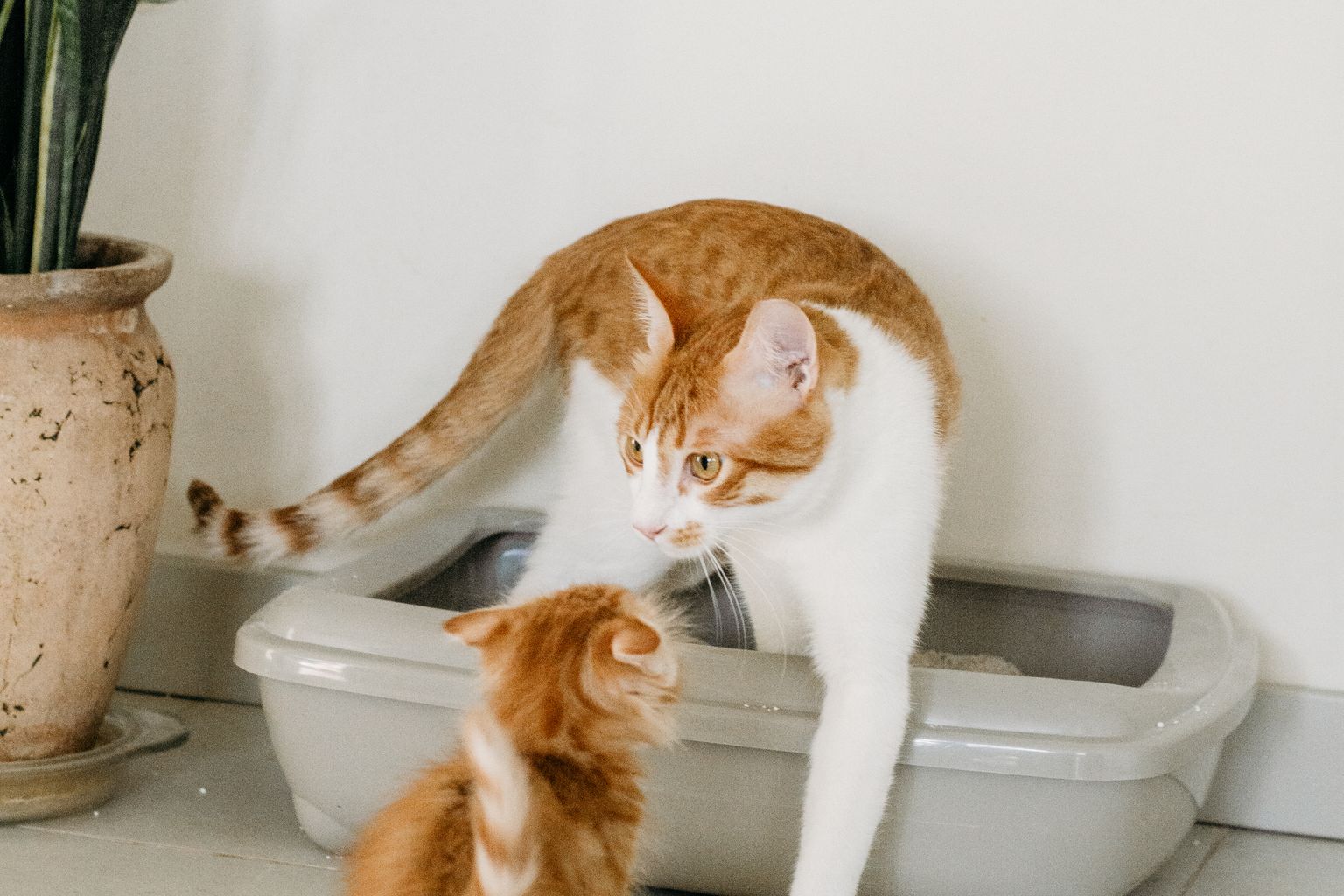
- Use the right number of boxes. The usual rule is one box per cat, plus one extra. Two cats need three boxes. Overloaded boxes smell faster and cats start avoiding them.
- Keep litter about 2 inches deep. Too little and urine reaches the bottom of the pan. Too much and you’re just storing more soiled litter.
- Top up after scooping. With clumping litter, add fresh litter to keep the depth steady instead of letting it get thin.
- Do a full change on schedule. Clumping litter every two to four weeks for one cat, more often for several. Crystals when they’re saturated. Non-clumping litter every week.
- Wash the box with mild soap and warm water. Skip bleach and strong cleaners, which can leave a smell your cat dislikes.
- Replace old plastic boxes. Scratches from scooping hold bacteria and odor. Most boxes need replacing about once a year.
- Think about placement. A ventilated spot away from your cat’s food and water, and away from a hot, stuffy laundry room, keeps smell from concentrating.
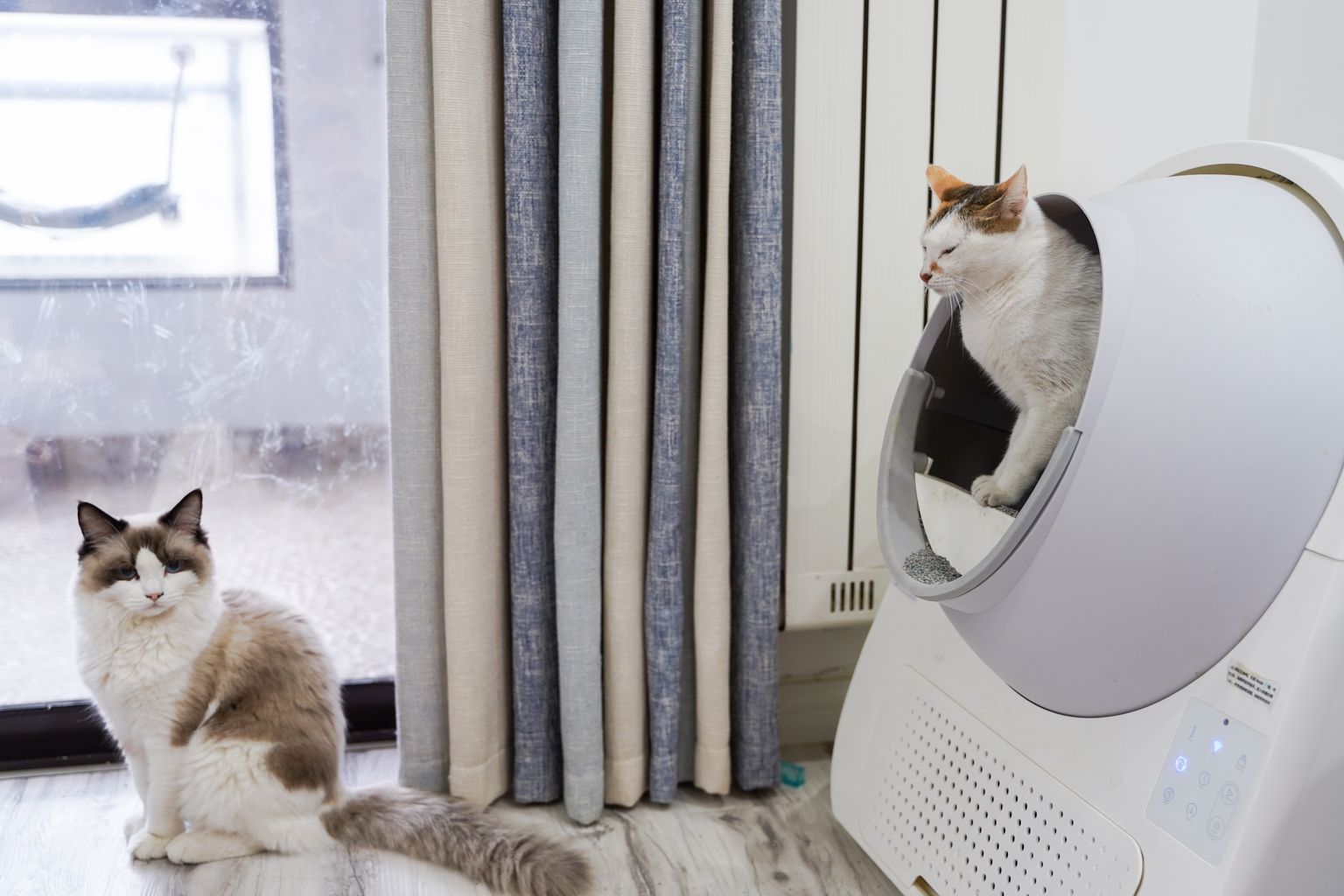
A covered box can trap smell inside, which feels nice to you but is less pleasant for your cat. If you use one, keep up with the carbon filter, which usually needs replacing monthly.
What kills cat urine smell permanently?
Inside the box, nothing works permanently except removing the urine. Clumping litter and daily scooping are how you do that.
Outside the box, if your cat has peed on a rug, carpet, or floor, regular household cleaners won’t do the job. Use an enzymatic cleaner made for pet urine. The enzymes break down the uric acid crystals that keep releasing smell long after the spot looks clean. Avoid ammonia-based cleaners, since to a cat they smell like urine and can invite a repeat visit.
When is litter box odor a sign of a health problem?
If the smell suddenly gets much stronger, even though you haven’t changed the litter or your routine, take note. A big jump in urine volume, very strong ammonia, or a sweet smell can point to kidney disease, diabetes, or a urinary tract infection. Watch for more frequent trips to the box, straining, or blood in the urine, and call your vet if you see any of these. Straining with little or no urine, especially in a male cat, is an emergency.
How to switch to an odor control litter without accidents
Cats are creatures of habit, and a sudden change can lead to accidents that create a much worse smell. Switch gradually over a week or two:
- Mix about a quarter of the new litter into the old.
- After a few days, go to half and half.
- Then three quarters new.
- Finish with all new litter once your cat is using the box normally.
You can also set up a second box with the new litter beside the old one and let your cat decide. If they keep picking the old box, try a different texture.
If you share your home with a dog too, keep in mind that many dogs raid the litter box, which spreads mess and smell. A top-entry box or a baby gate your cat can hop over works well, and giving your dog a good chew toy to keep busy helps too.
Frequently asked questions
What is the best cat litter for odor?
For most cats, an unscented clumping clay litter with activated carbon is the best cat litter for odor. Silica crystal litter is just as strong on smell if your cat accepts the texture, and tofu litter is the best natural option.
What kind of litter do vets recommend for odor?
Vets generally recommend unscented clumping litter, ideally with activated carbon, for healthy adult cats. They tend to steer owners away from heavily scented litters because fragrance can put cats off the box.
Is crystal litter better than clay for odor control?
Crystal litter controls odor about as well as good clumping clay and produces much less dust. Clay wins on cat acceptance, since more cats like its sandy feel. If your cat is fine with crystals, they’re an excellent odor control choice.
Does baking soda in litter help with smell?
Yes, baking soda helps neutralize some odor, and many litters include it. Activated carbon tends to do a better job, and in one study cats preferred carbon-treated litter over litter with baking soda.
Why does my litter box still smell after I scoop it?
Usually the litter is too shallow, the box is old and scratched, there aren’t enough boxes for the number of cats, or the litter is overdue for a full change. Check those before blaming the litter.
How often should I change odor control litter completely?
Clumping litter needs a full change every two to four weeks for one cat, and more often in multi-cat homes. Silica crystals last about three to four weeks for one cat. Non-clumping litter should be changed weekly.
What is the best natural cat litter for odor control?
Tofu litter is the strongest natural option for odor, especially versions with activated carbon. Softwood clumping litter is a close second. Both are lightweight, low dust, and biodegradable.
Conclusion
If you want a box you can’t smell from the next room, choose an unscented clumping litter with activated carbon, or silica crystals if your cat likes them. Go with tofu if you’d prefer a natural, low-dust option. Then back it up with daily scooping, one box per cat plus one, and a full change on schedule. The litter and the routine work together, and once both are in place, most odor problems disappear. For more practical buying guides, browse Pet Products Guide.
