

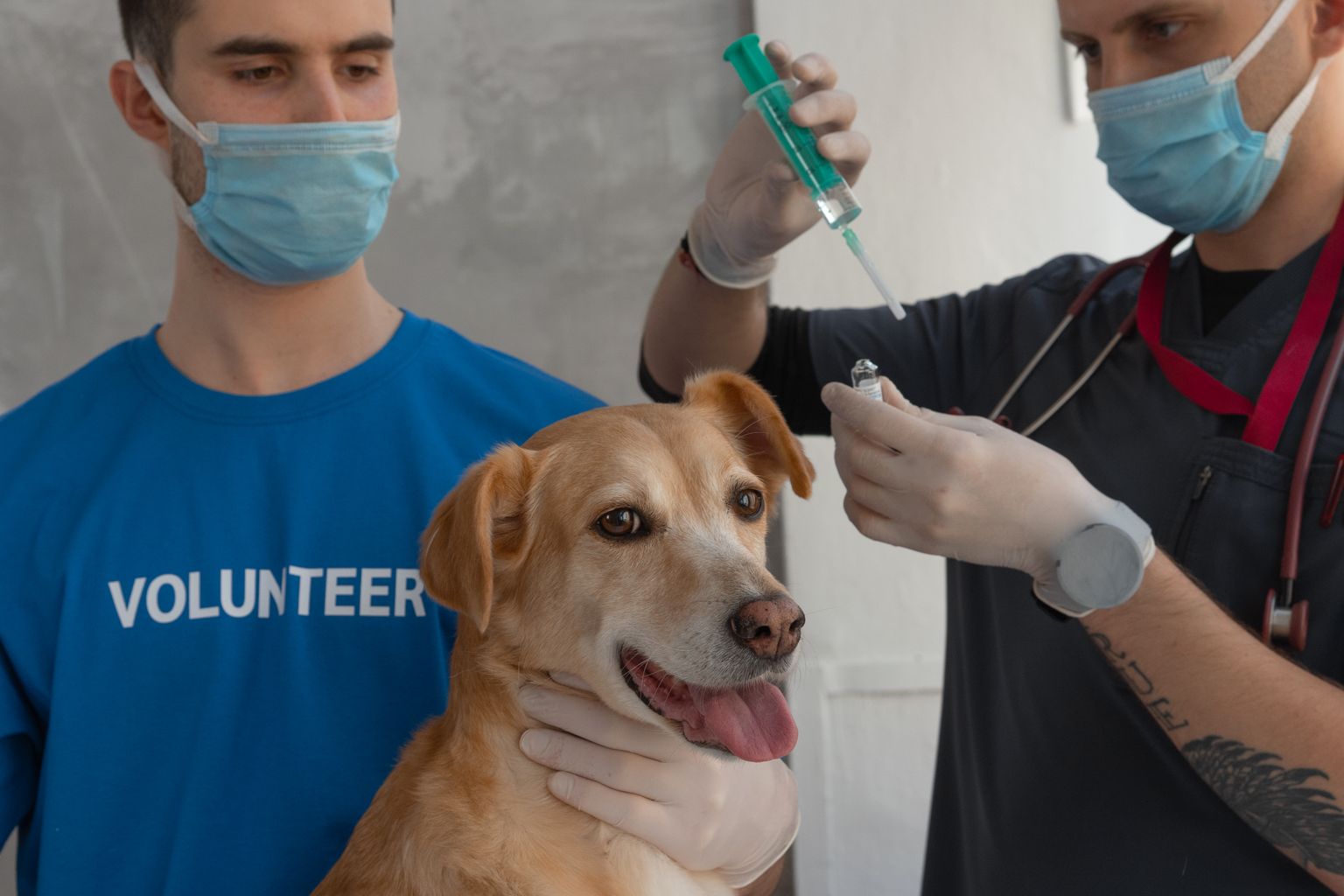
Quick answer: Every dog needs vaccines for rabies, distemper, parvovirus and adenovirus, and US vet guidelines now add leptospirosis to that core list. Every cat needs rabies plus the FVRCP combo (panleukopenia, herpesvirus, calicivirus), and kittens should get feline leukemia (FeLV) shots too. Puppies and kittens start at 6 to 8 weeks with boosters every few weeks until about 16 weeks. After that, most adult pets need core boosters every one to three years, while shots like Bordetella or Lyme depend on how your pet lives.
The rest of this guide covers the “depends” part: where you live, whether your dog boards or hikes, whether your cat ever goes outside, and what your state requires by law.
Why do pet vaccinations still matter if these diseases seem rare?
They seem rare because most pets get vaccinated. Parvovirus still kills puppies every year in the US, mostly in litters that missed shots, and treatment for a parvo puppy often runs $1,000 to $2,500 or more in hospital care. The vaccine series costs a fraction of that.
Rabies is the other reason. It’s almost always fatal once symptoms show, it passes to people, and most states require the shot by law. If an unvaccinated dog bites someone, you could face a long quarantine or worse, even if your dog was never sick.
Skepticism is growing, though. A 2023 Boston University survey of 2,200 US dog owners, published in the journal Vaccine, found that nearly 40% believed canine vaccines are unsafe and about 30% called them medically unnecessary. Over half held at least one of those views. If you share some of those doubts, the sections below on side effects and over-vaccination are for you.
What’s the difference between core and non-core vaccines?
Vets split vaccines into two groups. Core vaccines protect against diseases that are widespread, severe, or a threat to people, so every pet gets them. Non-core (sometimes called lifestyle) vaccines target diseases your pet may or may not run into.
The American Animal Hospital Association (AAHA) sets the guidelines most US vets follow. In 2024, AAHA moved leptospirosis from non-core to core for all dogs because cases have spread well beyond the farm dogs and hunting breeds it once mostly affected. Lepto spreads through the urine of wildlife like raccoons and rats, which means a backyard in Phoenix or a park in Chicago can carry it.
| Animal | Core Vaccines | Non-Core (Lifestyle) Vaccines |
|---|---|---|
| Dogs | • Rabies • DAPP/DHPP (Distemper, Adenovirus, Parvovirus, Parainfluenza) • Leptospirosis | • Bordetella (Kennel Cough) • Canine Influenza • Lyme Disease |
| Cats | • Rabies • FVRCP (Panleukopenia, Herpesvirus, Calicivirus) • FeLV (Feline Leukemia Virus) for cats under 1 year | • FeLV for adult cats • Bordetella • Chlamydia felis |
What is the vaccine schedule for puppies?
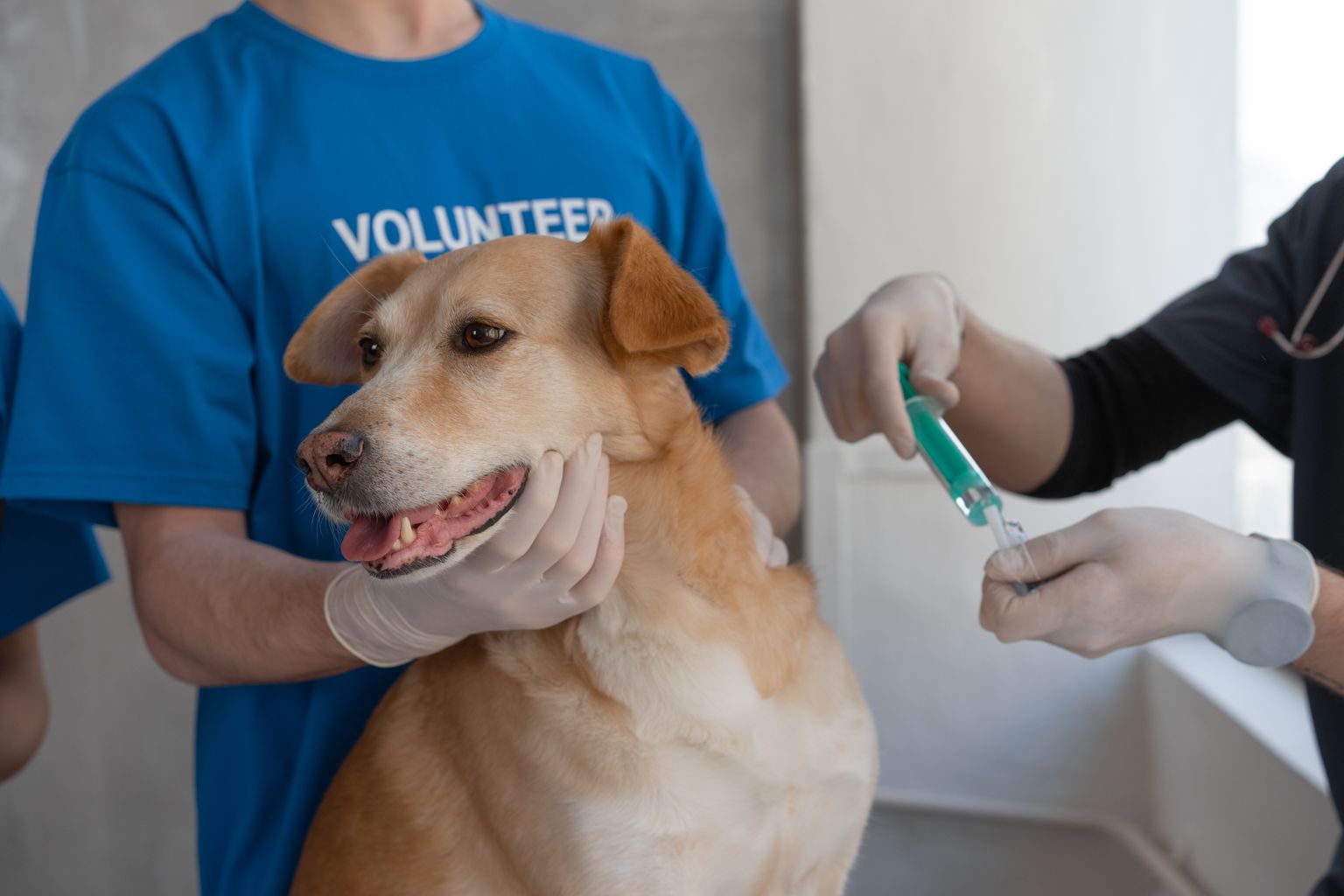
Puppies get some protection from their mother’s milk, but those antibodies fade at an unpredictable point between about 6 and 16 weeks. Fading antibodies also block vaccines from working. So vets give a series of shots to make sure one lands after the mother’s protection drops off.
| Age | Typical Shots |
|---|---|
| 6 to 8 weeks | DAPP (first dose) |
| 10 to 12 weeks | • DAPP • Leptospirosis (first dose) • Optional: Bordetella or Influenza |
| 14 to 16 weeks | • DAPP • Leptospirosis (second dose) • Rabies (per state law, usually by 12–16 weeks) |
| 6 to 12 months later | • DAPP booster • Leptospirosis booster |
| 1 year after first rabies | Rabies booster |
The detail people miss: the last DAPP dose should land at 16 weeks or later. A puppy who finished at 12 weeks may have no real protection. If your breeder or shelter says “all shots done” on a 10-week-old, ask your vet to keep going.
Until that final dose, keep your puppy off dog parks, pet store floors and rest-stop grass. Parvo survives in soil for months. Puppy classes with a vaccinated, cleaned-floor policy are a reasonable middle ground for socialization. Those weeks at home are also a good time to learn how to crate train a dog, so your puppy has a calm, safe spot while outings stay limited.
What is the vaccine schedule for kittens?
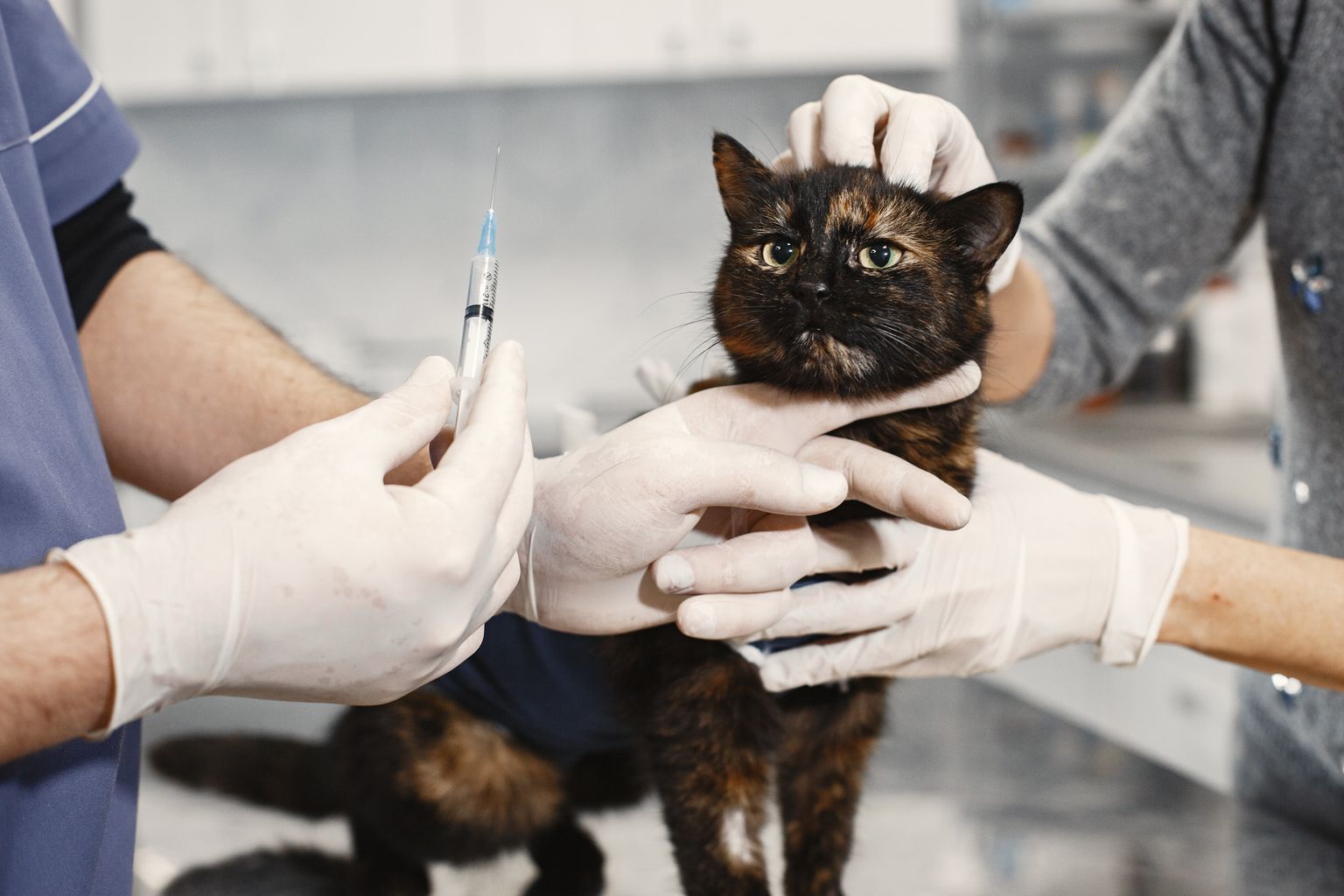
Kittens follow a similar logic, with one twist from the 2020 AAHA/AAFP feline guidelines. Some kittens keep their mother’s antibodies until about 20 weeks, so vets now recommend an extra FVRCP booster at 6 months instead of waiting a full year.
| Age | Typical Shots |
|---|---|
| 6 to 8 weeks | FVRCP (first dose) |
| 9 to 12 weeks | • FVRCP • FeLV (first dose) |
| 12 to 16 weeks | • FVRCP • FeLV (second dose) • Rabies (12 weeks or older) |
| 6 months | FVRCP booster |
| 1 year after the series | • Rabies booster • FeLV booster |
After that, FVRCP usually moves to every three years. FeLV boosters continue yearly only for cats with outdoor access or a FeLV-positive housemate.
How often do adult dogs and cats need boosters?
Less often than many owners assume. Yearly “all the shots” visits were standard 20 years ago, but research on immunity duration changed that.
- DAPP (dogs) and FVRCP (cats): every three years after the first adult booster.
- Rabies: every one or three years, depending on the product your vet uses and your state’s law. Your rabies certificate shows which one your pet got.
- Leptospirosis, Lyme, canine influenza, Bordetella: usually once a year, because protection from these vaccines doesn’t last as long. Some boarding kennels require Bordetella every six months.
- FeLV (adult cats): yearly or every two years for at-risk cats, often not at all for strictly indoor adults.
A three-year schedule doesn’t mean three years between vet visits. Your pet still needs a yearly exam, which is where your vet checks weight, teeth and the small changes you might not notice at home.
Does an indoor cat need vaccines?
Yes, at least the core ones. Panleukopenia virus can survive in the environment for a year and travels in shoes and clothes. Bats are the most common source of rabies in the US, and they get into homes more often than you’d think. Many states also require rabies vaccination for cats regardless of lifestyle.
What an indoor cat can often skip is the yearly FeLV booster once she’s past her first year. That’s a conversation worth having with your vet, since it can trim a line from every annual bill.
Which lifestyle vaccines does your dog need?
This is where your answers to your vet’s questions matter. Be specific about how your dog lives, not how you’d like it to live.
Bordetella (kennel cough): If your dog goes to daycare, boarding, grooming or group training, you’ll need it, and most facilities won’t take your dog without proof. It comes as an injection, a nasal spray or an oral dose.
Canine influenza: Worth it for dogs in daycare or boarding, or if your area has had outbreaks. It takes two doses two to four weeks apart the first time, so plan ahead of a boarding trip.
Lyme disease: Mostly relevant in the Northeast, the mid-Atlantic and the upper Midwest, where deer ticks carry it. Tick prevention is still your first line of defense. The vaccine is a backup for dogs who hike, hunt or live near woods in those regions.
If your dog is a mostly-home couch dog in Arizona, you may need none of these. If your dog spends weekends at a Connecticut daycare and hikes on Sundays, you may need all three.
How much do pet vaccinations cost in the US?
Prices vary a lot by city and by where you go. These are typical 2026 ranges.
| Vaccine or Visit | Full-Service Vet | Low-Cost or Shelter Clinic |
|---|---|---|
| Rabies | $20 to $45 | $5 to $20 |
| DAPP / FVRCP | $25 to $60 | $15 to $25 |
| Leptospirosis, Bordetella, or Influenza | $25 to $60 each | $15 to $35 |
| Exam Fee (per visit) | $50 to $100 | Often none |
| Full Puppy Series (First Year) | $150 to $350 | $80 to $200 |
Low-cost clinics run by shelters, humane societies and pet store chains are a legitimate way to save. The trade-off is that they skip the exam, so nobody listens to your puppy’s heart or checks for a hernia. If you go that route, make sure the rabies certificate is valid for licensing in your county, and keep your own records of what was given and when.
Many pet insurance wellness add-ons and in-clinic wellness plans spread vaccine costs into monthly payments. Run the numbers, because some plans cost more per year than paying as you go.
Are pet vaccines safe, and what side effects should you watch for?
Most pets show nothing at all, or mild signs that pass in a day or two:
- Sleepiness or a lower appetite for 24 to 48 hours
- Soreness or a small, firm bump at the injection site
- A mild fever
- Sneezing for a few days after a nasal Bordetella dose
Serious reactions are rare and usually show up within minutes to a few hours. Call your vet or go to an emergency clinic if you see facial swelling, hives, repeated vomiting, trouble breathing or collapse.
A large study of more than 1.2 million dogs found that reaction risk rose with each extra vaccine given at the same visit and was higher in small dogs. If you have a Chihuahua or a dog who reacted before, ask your vet to split vaccines across two visits a few weeks apart. Many vets will also pre-treat with an antihistamine.
For cats, there’s one rare but serious concern: injection-site sarcoma, a tumor that can form where a shot was given. Vets now inject cats low on the legs or tail so a tumor, if it ever forms, can be removed fully. Use the 3-2-1 rule: get any vaccine lump checked if it’s still there 3 months later, is larger than 2 centimeters, or is still growing 1 month after the shot.
Can a titer test replace booster shots?
Sometimes. A titer test measures antibodies in your pet’s blood. For distemper, parvovirus and panleukopenia, a good titer result is solid evidence your pet is still protected, and many vets will skip a booster on that basis. That’s a reasonable path for older pets or pets with past reactions.
Titers have limits. They cost more than the vaccine itself in most clinics, they don’t work well for leptospirosis or Bordetella, and nearly every state requires an actual rabies vaccine regardless of titer results. Some states allow medical exemptions for rabies, but only with a vet’s signed waiver.
Your pet vaccination checklist
Bring this to your next appointment:
- Your pet’s records, including shelter or breeder paperwork and your microchip number (our guide to pet microchipping explains how to look it up)
- Your pet’s real routine: daycare, boarding, hiking, travel, other pets at home
- Your state’s rabies rule: one-year or three-year, and the license renewal date
- Any past reactions, even mild ones
- Upcoming plans like boarding or a move to a new region, so time-sensitive shots fit
Conclusion
Pet vaccinations come down to two layers. Core shots protect every dog and cat against rabies, parvo, distemper and panleukopenia, and they follow a set schedule from 6 to 8 weeks through the first year, then every one to three years after that. Lifestyle shots like Bordetella, Lyme and FeLV depend on how your pet actually lives. Bring your records and an honest picture of your pet’s routine to each visit, and your vet can build a plan that covers the real risks without extra shots.
Vaccines are one piece of the everyday care we cover across Pet Products Guide, and they’re still the cheapest protection you can buy for your dog or cat.
Frequently Asked Questions
Can my puppy go outside before finishing vaccinations?
Your own yard is fine if no unvaccinated dogs visit it. Avoid dog parks, pet store floors and high-traffic dog areas until about two weeks after the final puppy shot at 16 weeks or older.
Is it too late to vaccinate an adult pet who never had shots?
No. An adult dog or cat with no history usually gets two doses of each core vaccine about three to four weeks apart, plus one rabies dose, then follows the normal adult schedule.
Should senior pets still get vaccines?
Yes for core protection, but your vet may space boosters out or use titer tests to avoid unneeded shots. Older pets often have weaker immune responses, which makes staying protected more important, not less.
What happens if my pet misses a booster?
A short delay of a few weeks usually just means getting the shot now. A long gap can mean restarting with two doses, especially for leptospirosis. An overdue rabies shot can carry legal consequences if your pet bites someone, so book that one first.
Can I vaccinate my pet at home?
You can buy some non-rabies vaccines at farm supply stores in many states, but storage mistakes can ruin them, and you lose the exam. Rabies must be given by or under a licensed vet to count legally.
