

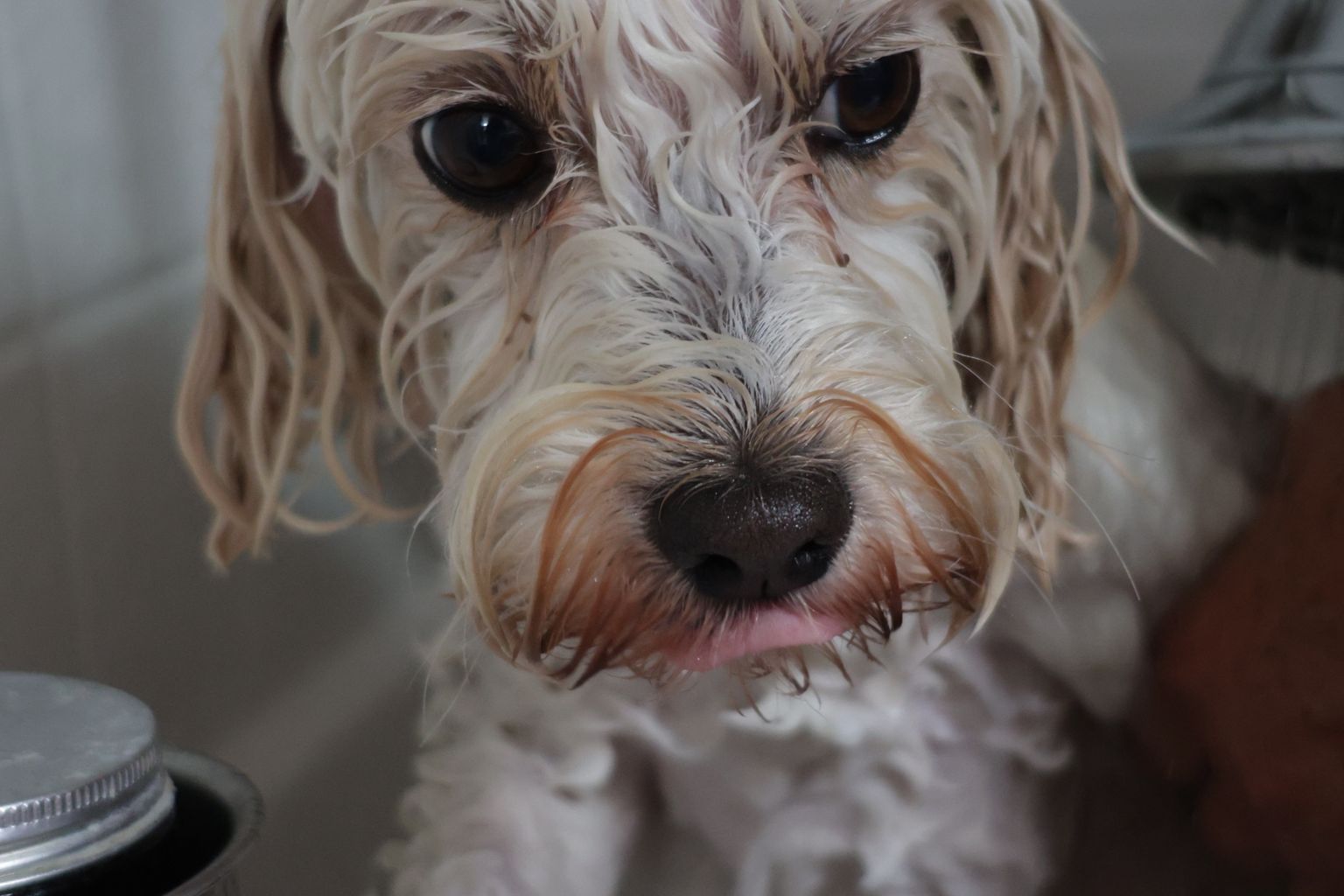
Most healthy dogs need a bath every four to eight weeks, which is the best starting point if you’re wondering how often you should bathe your dog. From there, coat type and lifestyle push the number up or down. A smooth-coated Boxer who naps on the sofa can go two or three months between baths, while a Shih Tzu with a long coat usually needs one every month, and a hairless Chinese Crested may need one every week. Bathing too rarely leaves your dog greasy and smelly, but bathing too often strips the natural oils that protect the skin, so the goal is finding the schedule that fits your particular dog. Below you’ll find a coat-by-coat schedule, the factors that change it, the warning signs of over-bathing, and a simple routine that keeps skin healthy between washes.
How often should you bathe your dog? The quick schedule
If you only want the numbers, start here. These ranges reflect common vet and groomer guidance, and they assume a healthy adult dog with no skin problems.
| Coat or skin type | Example breeds | Typical bath frequency |
|---|---|---|
| Short, smooth coat | Boxer, Dachshund (smooth), Pit Bull, Beagle | Every 2 to 3 months |
| Thick double coat | Husky, German Shepherd, Golden Retriever, Labrador | Every 1 to 3 months |
| Long, silky coat | Shih Tzu, Yorkshire Terrier, Maltese | Every 4 to 6 weeks |
| Curly or low-shedding coat | Poodle, Bichon Frise, doodle mixes | Every 3 to 6 weeks |
| Wiry coat | Schnauzer, Wire Fox Terrier, Border Terrier | Every 6 to 8 weeks |
| Hairless or oily skin | Chinese Crested, Basset Hound, Cocker Spaniel | Weekly to every 2 weeks |
Treat the table as a default, not a rule. A dog that rolls in something awful on Tuesday needs a bath on Tuesday, whatever the calendar says.
How often to bathe a dog by coat type
Coat type matters more than size or age when you’re working out a bathing schedule. Here’s why each group lands where it does.
Short, smooth coats
Short coats don’t trap much dirt, and the skin underneath produces just enough oil to keep the hair shiny. That’s why these dogs can usually go two to three months between baths. A quick brush with a rubber curry mitt once or twice a week pulls out loose hair and spreads those oils, which does more for the coat than an extra bath would.
Thick double coats
Huskies, Shepherds, Goldens and Labs have a dense undercoat that insulates against heat and cold. Washing it too often dries out the skin, and a damp undercoat that isn’t dried properly can lead to hot spots. Every one to three months is plenty for most double-coated dogs. The bigger job is brushing, especially during the spring and autumn coat blow, when an undercoat rake will pull out far more dead hair than water ever will.
Long, silky coats
Shih Tzus, Yorkies and Maltese have hair that keeps growing, a lot like ours. It collects dirt, food and debris, and it tangles fast. A bath every four to six weeks, usually paired with a trim, keeps the coat clean and stops small tangles from turning into mats that pull on the skin.
Curly and low-shedding coats
Poodles, Bichons and most doodle crosses shed very little, so loose hair and dirt stay trapped in the curls instead of falling out. That’s what makes them prone to matting. Plan on a bath every three to six weeks, always after a thorough brush. Bathing a matted coat tightens the mats, so brush first or ask a groomer to handle it.
Wiry coats
Terriers and Schnauzers have a harsh outer coat that naturally repels a fair bit of dirt. Over-washing softens that texture, which is why many owners of wire-coated breeds stick to a bath every six to eight weeks and rely on brushing (and hand-stripping, if the dog is shown) in between.
Hairless and oily-skinned breeds
Hairless breeds like the Chinese Crested have no coat to absorb skin oil, so it builds up on the surface and can clog pores. Breeds prone to oily skin, such as Basset Hounds and Cocker Spaniels, have a similar problem. These dogs often need a bath every week or two with a gentle shampoo. If your dog smells greasy only a few days after a bath, talk to your vet, because seborrhea and yeast overgrowth are common in these breeds and need proper treatment.
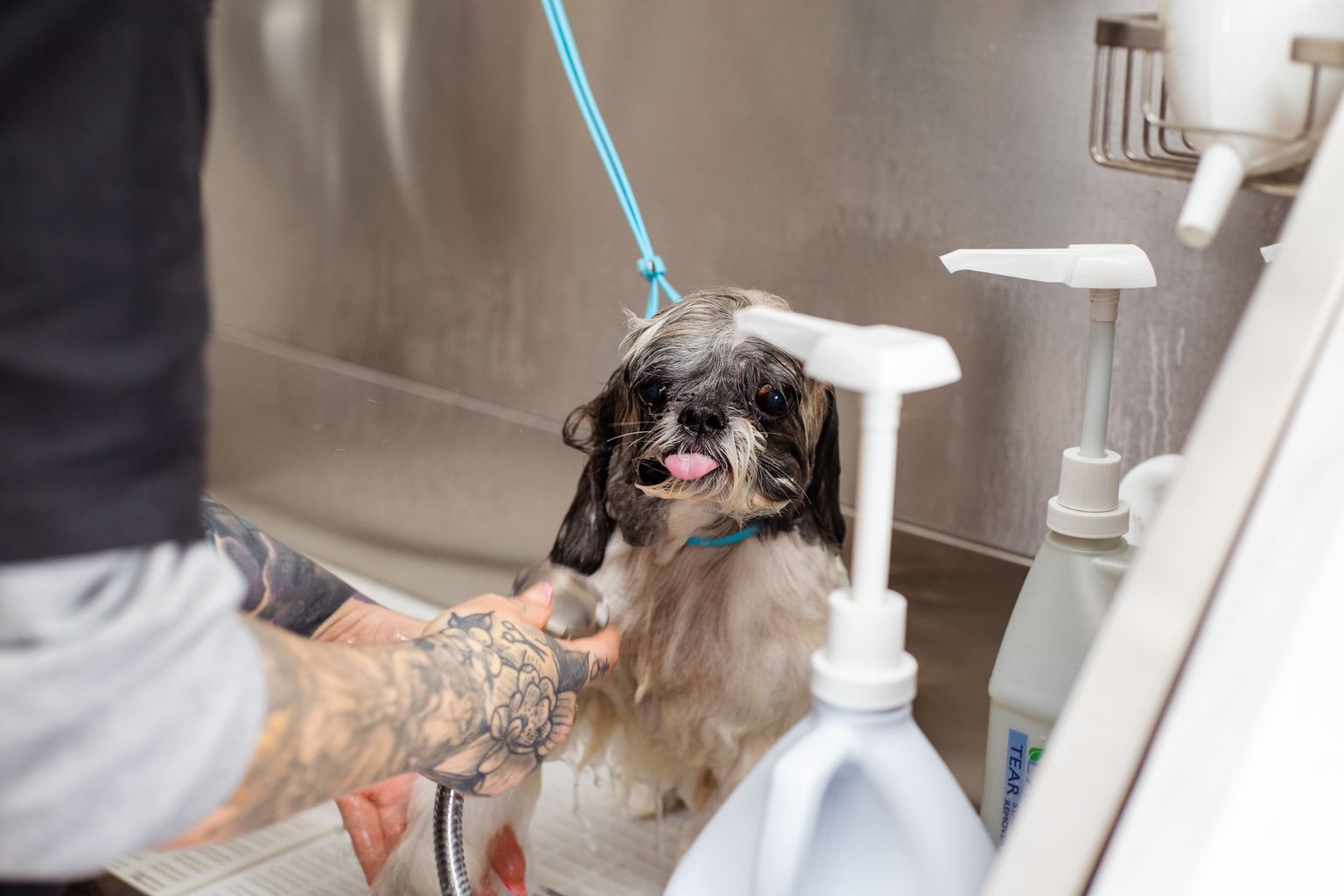
What Factors Decide Your Dog’s Bathing Schedule?
Coat type sets the baseline. These factors shift it.
Activity and lifestyle
A dog who hikes, swims in lakes or digs in the garden will need more baths than one who spends most of the day indoors. Very active outdoor dogs may need a bath every two weeks or so, while a true couch potato might only need a few a year. For dogs who swim, a plain freshwater rinse after a lake or sea swim is often enough. Save the shampoo for when they actually smell or feel gritty.
Skin conditions and allergies
Dogs with allergies, bacterial skin infections or yeast problems are the exception to the “don’t over-bathe” advice. Vets sometimes prescribe medicated shampoos two or three times a week for a few weeks, because the bath is part of the treatment. Follow your vet’s schedule exactly, including how long to leave the shampoo on before rinsing. On the other hand, dogs with dry or sensitive skin usually do best with fewer baths, around every six to eight weeks, using a soothing, fragrance-free shampoo.
Age: puppies and senior dogs
Puppies get messy, but their skin is delicate and they lose body heat quickly. Most vets suggest spot-cleaning with a damp cloth until a puppy is around eight weeks old, then keeping full baths to about once a month unless there’s an accident. Senior dogs may need more help too. Arthritis can make it hard for older dogs to groom themselves or stand in a tub, so shorter, warmer baths with a non-slip mat are kinder than long scrubbing sessions.
Your household
Sometimes the schedule is about the people as much as the dog. If your dog sleeps on your bed or someone at home is allergic to dog dander, a bath every two to four weeks with a gentle, moisturizing shampoo can cut down on dander and smell. Just make sure you’re not drying out your dog’s skin to get there.
Can you bathe a dog too much?
Yes. A dog’s skin is thinner than ours and has a different pH, so it relies heavily on its natural oil layer for protection. Washing too often, or using the wrong shampoo, strips that layer away. Watch for these signs that you’re overdoing it:
- Dry, flaky skin or dandruff that wasn’t there before
- More scratching or licking in the days after a bath
- A dull, brittle coat that feels rough to the touch
- Red or irritated patches, especially on the belly and inner legs
So, can you bathe your dog once a week? You can, if you use a mild, soap-free or moisturizing dog shampoo and your dog’s skin stays healthy. Many show dogs are bathed weekly without trouble. For most pet dogs, though, weekly baths are more than they need, and the risk of dry skin goes up. If you want to bathe more often for a clear reason (allergies, a dog that sleeps in your bed), follow each wash with a dog conditioner and keep an eye on the skin.
Signs your dog needs a bath now
Calendars are useful, but your dog will often tell you first. It’s time for a bath when:
- Your dog smells, even after being outside in fresh air for a while
- The coat feels greasy, sticky or gritty when you run your hand through it
- There’s visible mud, sand or something unpleasant stuck in the fur
- Your hands smell like dog after a quick pat
One caution here. If a bad smell comes back within a day or two of bathing, the bath probably isn’t the problem. Ear infections, dental disease, anal gland issues and skin infections all cause odor that shampoo can’t fix, so book a vet visit if a fresh-bathed dog still smells off.
How to give your dog a bath without drying out the skin
How you bathe matters as much as how often. A careful routine means each bath does its job, so you need fewer of them.
- Brush first. Work out tangles and loose hair before your dog gets wet. Water tightens mats and makes them much harder to remove.
- Use lukewarm water. Test it on your wrist. Water that feels warm to you can feel hot to a dog.
- Pick a shampoo made for dogs. Human shampoo is formulated for human skin, which is more acidic than a dog’s, so it can irritate and dry out dog skin. A mild dog shampoo, oatmeal-based for sensitive skin, is a safe default.
- Protect the eyes and ears. Wash the face with a damp cloth instead of pouring water over the head, and keep water out of the ear canals.
- Rinse longer than you think you need to. Leftover shampoo is one of the most common causes of itching after a bath. Keep rinsing until the water runs clear and the coat no longer feels slippery.
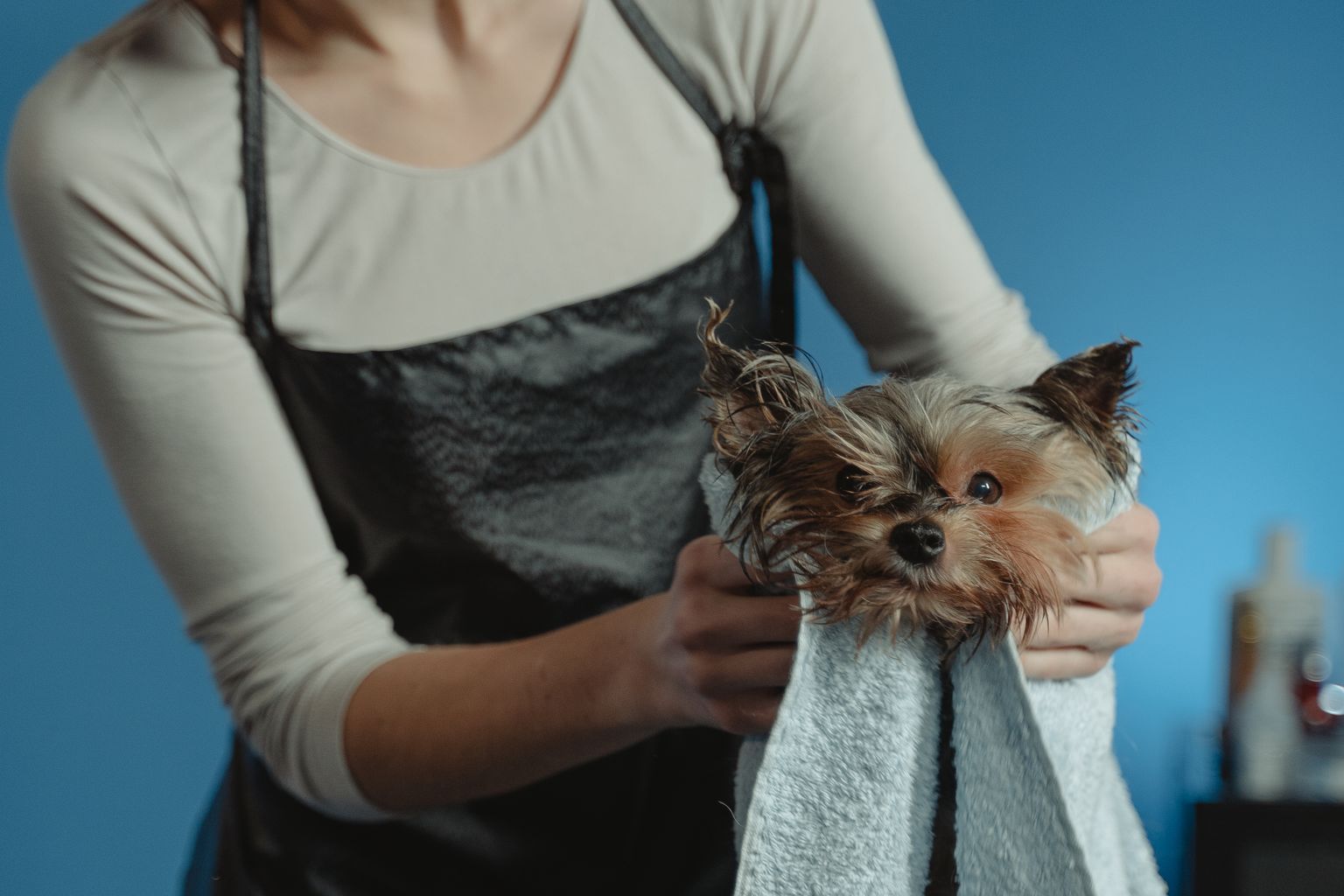
- Dry thoroughly. Towel dry first, then use a pet dryer or a human dryer on its cool setting for thick coats. A damp undercoat is a breeding ground for hot spots.
- End on a good note. A treat or a long-lasting chew after the bath helps nervous dogs link bath time with something good. If your dog is a power chewer, our guide to the best dog toys for chewers has a few tough options that work well as a post-bath reward.
What to do between baths
Good maintenance between baths is what lets you stretch the gap safely. A few habits make a real difference:
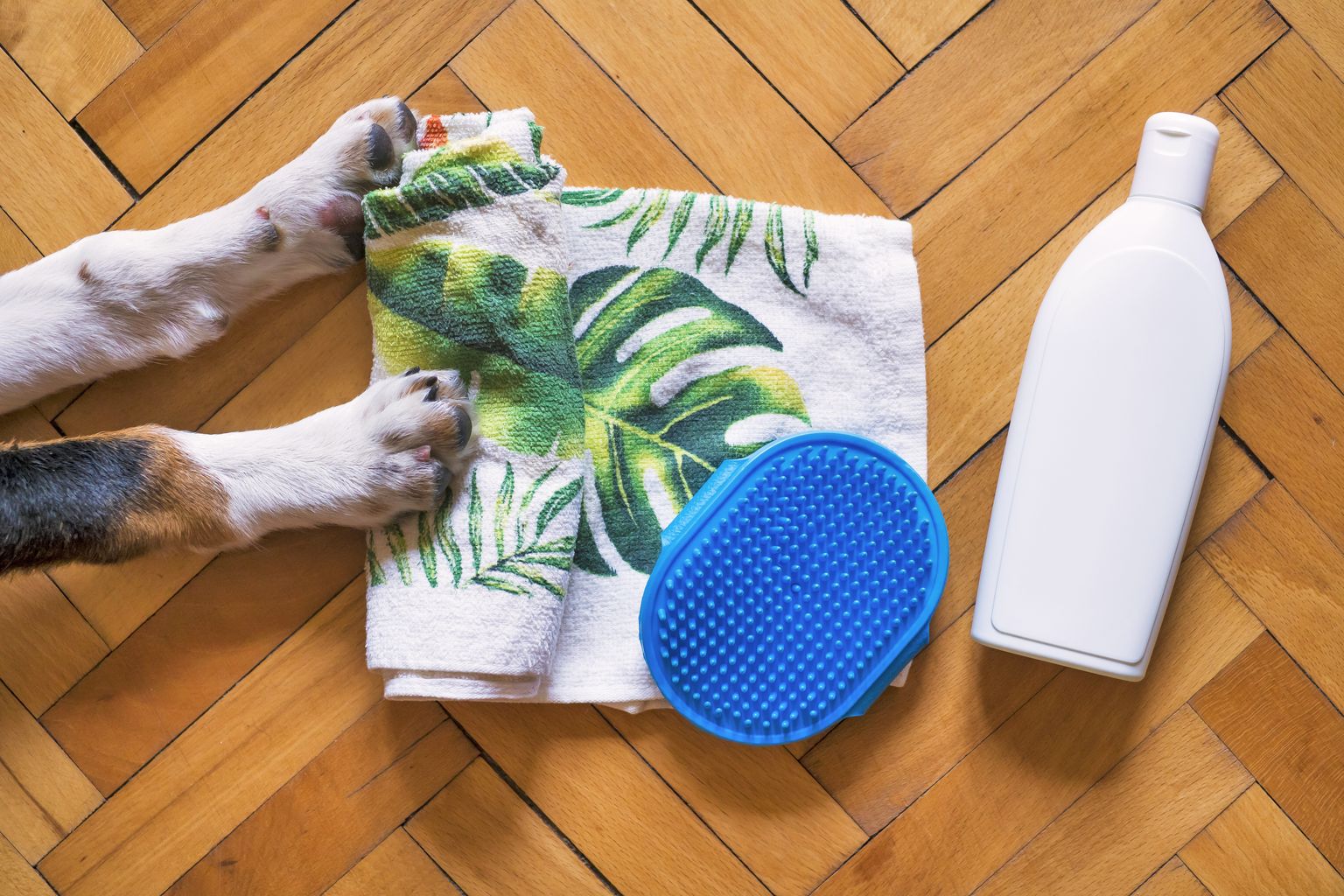
- Brush regularly. Two or three times a week for most coats, and daily for long or curly coats. Brushing removes dirt and dead hair and spreads natural oils along the hair shaft.
- Wipe paws after walks. A damp cloth or pet wipe removes mud, salt and lawn chemicals before your dog licks them off.
- Spot clean. If only one area is dirty, clean only that area. There’s no need for a full bath because of muddy legs.
- Wash the bedding. A clean dog on a dirty bed won’t stay clean for long. Washing dog bedding every week or two cuts down on smell and dander.
- Keep waterless shampoo for emergencies. A no-rinse foam is handy after a minor mishap, but it isn’t a substitute for a proper bath.
For a broader look at grooming tasks like nail trims and ear care, the dog grooming overview on Wikipedia is a good primer.
FAQs
Can I bathe my dog once a week?
Yes, as long as you use a gentle, moisturizing dog shampoo and your dog’s skin doesn’t become dry or itchy. Hairless and oily-skinned breeds often need weekly baths. Most other dogs are fine with far less, so weekly washing usually isn’t necessary.
How often should you bathe an indoor dog?
An indoor dog who doesn’t get very dirty can usually go two to three months between baths, sometimes longer for short-coated breeds. Regular brushing and the occasional paw wipe will keep them fresh in between.
How often should you bathe a puppy?
Spot-clean young puppies with a damp cloth, and hold off on full baths until about eight weeks old. After that, once a month or whenever they get properly dirty is enough. Use a puppy shampoo and dry them well, because puppies chill easily.
How often should I bathe my dog with dry skin?
Usually less often, about every six to eight weeks, with an oatmeal or moisturizing shampoo and a conditioner afterward. If the dryness doesn’t improve, ask your vet to check for allergies or other skin conditions.
Can I use baby shampoo or human shampoo on my dog?
It’s best not to. Human skin is more acidic than dog skin, so even mild human products can dry out or irritate your dog over time. In a one-off emergency a gentle baby shampoo won’t cause lasting harm, but a dog-specific shampoo is the better choice for regular baths.
How often should you give your dog a bath if they swim?
Rinse your dog with fresh water after every swim to remove chlorine, salt or lake debris. A full shampoo bath every few weeks is usually enough, depending on how much they smell.
When should I take my dog to a groomer instead?
Consider a professional groomer if your dog has a long, curly or matted coat, needs regular trims, or is too large or anxious to bathe safely at home. Many owners of Poodles, doodles and Shih Tzus book a groom every four to six weeks and handle brushing themselves in between.
Conclusion
There’s no single answer that suits every dog, but the range is narrower than most people expect. Most dogs do well with a bath every four to eight weeks. Short and wiry coats can go longer, long and curly coats need it sooner, and hairless or oily-skinned breeds may need a weekly wash. Watch your dog’s skin and coat after each bath and adjust from there: flakes and itching mean you’re bathing too often, while grease and odor mean it’s time. Brush regularly, use a proper dog shampoo, and check with your vet if skin problems or smells keep coming back. For more practical advice on choosing the right gear and supplies for your pet, browse the latest guides at Pet Products Guide.

1 comment
[…] and cut more cleanly. If you’re not sure how often bath day should come around, our guide on how often you should bathe your dog breaks it down by coat type. Small dogs can sit on your lap or a table with a non-slip mat. Large […]